Tag: tips

  • 10 ESD Safety Tips for Cell Phone Repair Technicians

    10 ESD Safety Tips for Cell Phone Repair Technicians

    In cell phone repairing, not all damage is visible.
    Some of the most dangerous damage happens silently — without sparks, smoke, or sound.

    Electrostatic Discharge, commonly called ESD, is one of the biggest hidden threats in mobile phone repair. A small static shock that you cannot even feel can permanently damage sensitive components inside a smartphone.

    Modern phones, Android devices, and iPhones use highly compact circuits, ICs, and chips. These components are extremely vulnerable to static electricity.

    “You may not see ESD damage immediately, but it often shows up later as unexplained failures.”

    This guide explains 10 practical ESD safety tips every cell phone repair technician should follow. These tips are based on real workshop experience and industry-accepted practices, not theory alone.


    What Is Electrostatic Discharge (ESD)?

    Electrostatic Discharge is the sudden flow of static electricity from one object to another.

    In simple terms:

    • Static electricity builds up on your body or tools
    • When you touch a phone component, the charge transfers
    • Sensitive electronic parts get damaged

    You may not feel the shock, but the phone does.


    Why Smartphones Are Highly Sensitive to ESD

    Older electronic devices were more tolerant of static electricity. Modern smartphones are not.

    Reasons include:

    • Extremely small ICs and transistors
    • High-density motherboard layouts
    • Advanced processors and memory chips
    • Lower operating voltages

    This makes ESD protection essential, especially during motherboard, chip-level, or eMMC-level repairs.


    Common Phone Components Damaged by ESD

    ESD can damage:

    • Power IC
    • Charging IC
    • CPU support components
    • RAM and storage chips
    • Display driver IC
    • Touch controller
    • Network and RF ICs

    In many cases, the phone may work initially and fail later, making diagnosis difficult.


    1. Always Use an Anti-Static Wrist Strap

    An anti-static wrist strap safely grounds your body and prevents static buildup.

    Best practices:

    • Wear the strap on bare skin
    • Connect it to a proper ground point
    • Use it whenever handling motherboard or ICs

    This is the single most important ESD safety habit.

    Many technicians skip it because it feels inconvenient. That small inconvenience can cost a motherboard.


    2. Work on an Anti-Static (ESD) Mat

    An ESD mat provides a safe surface for phone repair.

    Why it matters:

    • Prevents static buildup on the workbench
    • Grounds the phone and components
    • Protects tools and boards

    Use an ESD mat that is:

    • Properly grounded
    • Clean and dry
    • Large enough for phone disassembly

    Never place a phone motherboard directly on a plastic or wooden table.

    esd safety anti-static wrist strap and anti-static mat


    3. Avoid Touching IC Pins and Contact Points

    Direct contact with IC pins, connectors, or solder pads increases ESD risk.

    Safer handling tips:

    • Hold boards from the edges
    • Use tweezers instead of fingers
    • Avoid unnecessary contact

    Human skin carries static electricity, especially in dry environments.


    4. Keep Your Workspace Humidity Balanced

    Dry air increases static electricity.

    Ideal conditions:

    • Moderate humidity (not too dry)
    • Avoid direct air from fans or AC onto the bench
    • Use a humidifier if the environment is extremely dry

    Many ESD issues increase during winter or in air-conditioned rooms.


    5. Wear Proper Clothing While Repairing Phones

    Clothing plays a bigger role in ESD than most technicians realize.

    Avoid:

    • Wool sweaters
    • Synthetic fabrics
    • Polyester jackets

    Prefer:

    • Cotton clothing
    • Anti-static lab coats (if available)

    Friction between clothes generates static, which can transfer to devices.


    6. Ground Your Tools Properly

    Tools can also carry static charge.

    Important tools to ground:

    • Soldering iron
    • Hot air station
    • Power supply

    Ensure:

    • Tools are ESD-safe
    • Proper grounding connections are used
    • Cheap, ungrounded tools are avoided

    A grounded technician using ungrounded tools is still at risk.


    7. Store Components in Anti-Static Packaging

    Loose storage of ICs and boards invites damage.

    Correct storage methods:

    • Anti-static bags
    • Conductive foam
    • ESD-safe containers

    Never store:

    • ICs in plastic boxes
    • Motherboards on paper or cloth
    • Chips in open trays

    Storage damage often goes unnoticed until repair fails.


    8. Power Off and Disconnect the Battery Before Repair

    Working on a powered device increases ESD and short-circuit risk.

    Always:

    • Power off the phone completely
    • Disconnect the battery first
    • Wait a few seconds before touching the board

    This protects both the technician and the device.


    9. Handle Phone Motherboards With Extra Care

    Motherboards are the heart of smartphones.

    Safe handling rules:

    • Avoid stacking boards
    • Never slide boards across surfaces
    • Lift instead of dragging

    Even small friction can generate static electricity.

    Careful handling reduces both ESD and physical damage risk.


    10. Develop Consistent ESD Safety Habits

    ESD protection works best when it becomes a habit, not an occasional step.

    Build daily discipline:

    • Strap on before starting work
    • Ground tools regularly
    • Check mat connections
    • Educate junior technicians

    Consistency separates professional repair labs from risky setups.


    Common Myths About ESD in Phone Repair

    Myth: If I don’t feel a shock, there is no ESD
    Truth: Most ESD damage is invisible and unfelt

    Myth: Only chip-level repair needs ESD safety
    Truth: Even display and connector work can be affected

    Myth: Cheap tools are fine for beginners
    Truth: Poor tools increase long-term failure rates


    Real-Life Scenario From Repair Shops

    A technician replaces a charging IC successfully.
    The phone works for two days, then dies.

    Reason:

    • No wrist strap used
    • Static damage weakened a nearby IC

    The customer blames the technician, even though the mistake was unintentional.

    “ESD damage often shows its effects after the repair is completed.”


    ESD Safety for Beginners vs Advanced Technicians

    Beginners

    • Higher risk due to lack of awareness
    • Must learn ESD habits early
    • Should practice on faulty boards

    Advanced Technicians

    • Handle sensitive chips daily
    • Face higher responsibility
    • Must maintain strict lab discipline

    At every level, ESD safety protects reputation as much as devices.


    Does ESD Safety Increase Repair Time?

    Initially, yes — by a few seconds.

    Long-term, it:

    • Reduces rework
    • Prevents callbacks
    • Improves repair success rate

    That time investment pays back quickly.


    ESD Safety and Customer Trust

    Customers may not understand ESD, but they understand results.

    • Fewer repeat failures
    • More reliable repairs
    • Better reviews

    Professional handling builds confidence, even if customers never see the process.


    Simple ESD Safety Checklist

    Before starting repair:

    • Wrist strap connected
    • ESD mat grounded
    • Tools checked
    • Phone powered off

    This checklist alone prevents most static-related damage.


    Final Thoughts: ESD Safety Is Not Optional

    In modern cell phone repair, ESD safety is not an advanced feature — it is a basic requirement.

    Smartphones are getting more compact, more powerful, and more sensitive. Technicians who ignore static protection risk damaging devices, losing customers, and harming their professional reputation.

    “Good tools fix phones. Good habits protect them.”


    Final Summary

    Electrostatic Discharge is a silent but serious risk in mobile phone repair.

    Following these 10 ESD safety tips helps:

    • Protect smartphones and devices
    • Improve repair success
    • Reduce hidden failures
    • Build long-term trust

    Whether you repair Android phones, iPhones, or any modern mobile device, ESD awareness is essential.

  • What Is Chip-Level & eMMC-Level Mobile Phone Repairing

    What Is Chip-Level & eMMC-Level Mobile Phone Repairing

    The growing issues and problems in smartphones has pushed mobile phone repairing into two clear levels:

    • Basic mobile repairing
    • Advanced chip-level and eMMC-level repairing

    Many people hear these terms but don’t fully understand what they mean or how they differ.

    “As smartphones become smarter, repairing them also becomes more specialized.”

    This guide explains chip-level and eMMC-level mobile phone repairing in simple language, with real-world examples, technician insights, and career clarity. It is useful for beginners, students, and technicians planning to upgrade their skills.


    What Types of Major Mobile Repairing Are There?

    Mobile phone repairing is the process of diagnosing and fixing problems in a phone, smartphone, Android device, or iPhone so it functions normally again.

    Repair issues generally fall into:

    • Hardware-related faults
    • Software-related faults

    Based on complexity, repairing is commonly divided into basic-level and advanced-level work.


    What Is Covered in Basic Mobile Repairing?

    A basic mobile repairing course is designed for beginners who are new to mobile technology.

    What Basic Mobile Repairing Covers

    • Phone parts identification
    • Opening and assembling phones safely
    • Display replacement
    • Battery replacement
    • Charging port issues
    • Speaker and microphone problems
    • Basic software reset and updates
    • Use of simple tools

    Basic mobile repairing focuses on module-level repairs, where complete parts are replaced instead of repairing individual components.

    Who Should Learn Basic Mobile Repairing?

    • Students starting from zero
    • People exploring mobile repairing as a career
    • Shop helpers or assistants
    • Those planning to run a basic repair shop

    Basic repairing builds foundation and confidence. However, it has limitations.


    Limitations of Basic Mobile Repairing

    Basic repair skills work well only when:

    • Spare parts are easily available
    • The problem is visible and straightforward

    They fail when:

    • No display, no power issues exist
    • Data recovery is needed
    • Storage or IC-related faults occur

    This is where chip-level and eMMC-level repairing becomes important.


    What Is Chip-Level Mobile Phone Repairing?

    Chip-level mobile phone repairing deals with individual electronic components on the phone’s motherboard.

    Instead of replacing the entire board or module, the technician repairs or replaces specific ICs (chips).

    What “Chip-Level” Means

    At chip level, you work on:

    • Power IC
    • Charging IC
    • Audio IC
    • Network IC
    • Display driver IC
    • CPU support components

    This work involves diagnosing faults at the circuit level.

    Common Chip-Level Problems

    • Phone dead (no power)
    • Phone not charging despite port replacement
    • Network signal missing
    • Phone overheating
    • No display but backlight present
    • Touch working intermittently

    In such cases, module replacement does not help. Only chip-level repair can fix the issue.


    Skills Required for Chip-Level Repairing

    Chip-level repairing is considered advanced because it requires:

    • Understanding of mobile motherboard circuits
    • Knowledge of voltage and current flow
    • Soldering and desoldering skills
    • Ability to read circuit diagrams
    • Steady hands and patience

    It is not guesswork. It is diagnosis-driven repair.


    Tools Used in Chip-Level Mobile Repairing

    Chip-level work cannot be done with basic tools alone.

    Common tools include:

    • Hot air rework station
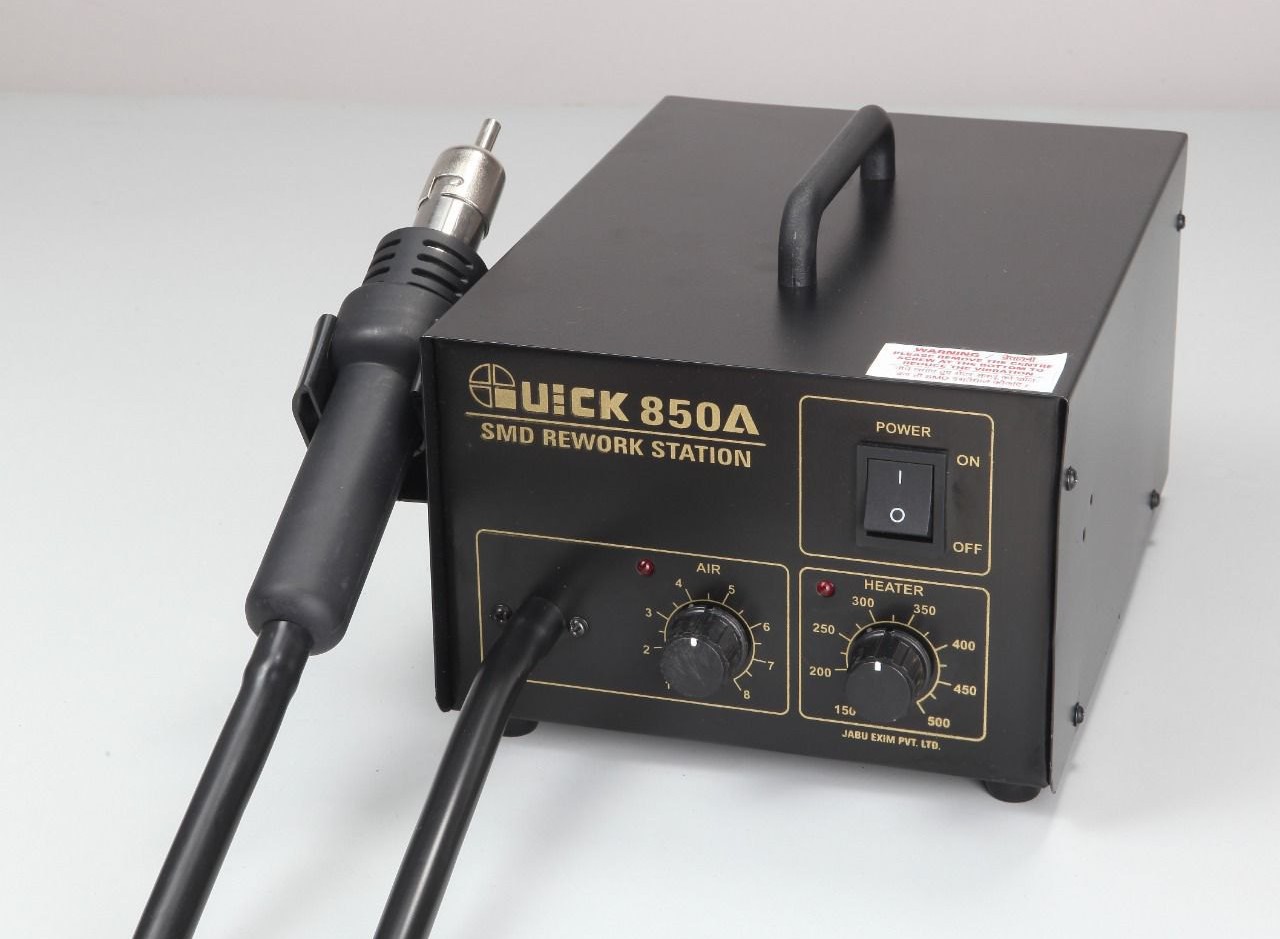
    • Soldering iron
    • Multimeter
    • DC power supply
    • Microscope
    • Flux and solder paste

    Without proper tools, chip-level repair is risky and unreliable. Here is a complete list of eMMC chip-level Mobile phone repairing tools you need to have for advanced repairs.


    What Is Micro-Level Mobile Phone Repairing?

    Micro-level repairing is closely related to chip-level work.

    It focuses on tiny components such as:

    • Resistors
    • Capacitors
    • Coils
    • Filters
    • Jumpers and tracks

    These parts are extremely small and require magnification and precision.

    Micro-level repair is often done along with chip-level repairing, especially when tracks or small components are damaged.


    What Is eMMC-Level Mobile Phone Repairing?

    eMMC-level repairing is one of the most advanced forms of mobile phone repair.

    What Is eMMC?

    eMMC (embedded MultiMediaCard) is the storage chip of a smartphone.

    It stores:

    • Operating system
    • User data
    • Apps
    • Boot files

    When eMMC fails, the phone may:

    • Not power on
    • Get stuck on logo
    • Restart continuously
    • Lose data access

    eMMC-Level Repairing Explained

    At eMMC level, technicians:

    • Diagnose storage chip failure
    • Remove the eMMC chip from motherboard
    • Read or rewrite data called eMMC programming
    • Replace or reprogram the eMMC IC

    This work is extremely delicate and requires specialized tools and deep knowledge. Understan the difference between level 1, level 2, level 3 and level 4 which are different levels in mobile repairing.


    Common Problems That Need eMMC-Level Repair

    • Phone dead with power consumption
    • Phone stuck on boot logo permanently
    • Data corruption issues
    • No baseband or invalid IMEI (in some cases)
    • Storage-related errors

    These problems cannot be solved by software flashing alone.


    Tools Used in eMMC-Level Repairing

    eMMC-level repairing requires advanced equipment such as:

    • BGA rework station
    • eMMC programmer
    • Adapter sockets
    • Microscope
    • Data reading and writing tools

    Because of the high risk, this level of repair is usually done by expert technicians only. This type of work is needed in both Android smartphones and iPhones.


    Difference Between Basic, Chip-Level, and eMMC-Level Repairing

    AspectBasic RepairingChip-Level RepairingeMMC-Level Repairing
    Skill levelBeginnerAdvancedExpert
    Work areaModulesICs on motherboardStorage chip
    ToolsBasic toolsAdvanced soldering toolsSpecialized programmers
    RiskLowMediumHigh
    Earning potentialLimitedHighVery high

    Which Repairing Level Should You Learn First?

    Learning should always follow a step-by-step approach.

    Recommended Learning Path

    1. Start with basic mobile repairing
    2. Move to chip-level repairing
    3. Advance to eMMC-level repairing

    Skipping steps leads to confusion and mistakes.

    “Strong foundations make advanced skills easier to master.”


    Career Scope of Chip-Level and eMMC-Level Repairing

    Advanced mobile repair technicians are always in demand.

    Why Advanced Repair Pays More

    • Fewer skilled technicians
    • Complex problems customers cannot solve elsewhere
    • High-value device repairs
    • Data recovery services

    Chip-level and eMMC technicians often:

    • Earn more per repair
    • Handle complex cases
    • Build strong professional reputation

    Is eMMC-Level Repairing for Everyone?

    Not necessarily.

    eMMC-level repairing requires:

    • High patience
    • Investment in tools
    • Continuous learning

    It is best suited for:

    • Experienced chip-level technicians
    • Professionals handling complex smartphones
    • Service centers dealing with data recovery

    For beginners, starting directly at this level is not recommended.


    Common Myths About Advanced Mobile Repairing

    Myth: Chip-level repairing is easy with practice
    Truth: It needs deep technical understanding, not just practice

    Myth: eMMC repair can fix all dead phones
    Truth: Not all dead phones have storage issues

    Myth: Advanced repairing replaces basic skills
    Truth: Advanced repair builds on basic knowledge


    Real-Life Example from Repair Shops

    A phone comes in with:

    • No power
    • Battery and display already replaced

    Basic technician conclusion:

    • Motherboard faulty, cannot repair

    Advanced technician approach:

    • Checks power consumption
    • Finds shorted power IC
    • Replaces IC
    • Phone works perfectly

    This shows how chip-level skill changes outcomes.


    Training Difference: Basic vs Advanced Courses

    Basic Mobile Repairing Course

    • Short duration
    • Low cost
    • Entry-level skills
    • Suitable for beginners

    Advanced Chip-Level & eMMC Course

    • Longer duration
    • Higher fees
    • Deep technical training
    • Requires prior basic knowledge

    Choosing the right course depends on career goals, not just cost.


    How to Choose the Right Training Institute

    Before joining any course:

    • Check practical exposure
    • Ask about real phone practice
    • Confirm tool availability
    • Speak to past students
    • Avoid theory-only training

    Good training matters more than certificates. If you’re planning to learn smartphone repair professionally, choosing the right institute makes a big difference. This guide on best mobile repairing course institutes in Mumbai and Thane helps you compare trusted training centers before you decide.


    Final Summary

    Chip-level and eMMC-level mobile phone repairing represent the advanced side of smartphone servicing.

    • Basic repairing handles visible and replaceable parts
    • Chip-level repairing fixes motherboard IC issues
    • eMMC-level repairing deals with storage chip failures

    Each level has its place, and mastering them step by step leads to a strong, long-term career in mobile repairing.

    “Advanced skills don’t replace basics—they perfect them.”

  • Which Multimeter Is Best for Cell Phone Repair?

    Which Multimeter Is Best for Cell Phone Repair?

    Why Choosing the Right Multimeter Matters

    In cell phone repairing, guessing is expensive.
    A single wrong assumption can damage a smartphone motherboard, waste time, and reduce customer trust.

    This is where a multimeter becomes one of the most important tools for a mobile repair technician. Whether you are repairing an Android phone, an iPhone, or any modern mobile device, a multimeter helps you see what the circuit is actually doing, not what you think it is doing.

    Many beginners ask:

    Which multimeter is best for cell phone repair?

    The honest answer is not just about brand or price. It depends on:

    • Your skill level
    • Type of repairs you do
    • Accuracy required
    • Budget

    “Good technicians don’t guess problems. They measure them.”

    This guide explains everything clearly—from multimeter types and pricing to trusted brands used by professional mobile phone repair technicians.


    What Is a Multimeter in Mobile Phone Repairing?

    A multimeter is a diagnostic tool used to measure electrical values such as:

    • Voltage
    • Current
    • Resistance
    • Continuity

    In mobile phone repairing, a multimeter helps identify power issues, short circuits, broken tracks, and faulty components on smartphones and other devices.

    Without a multimeter, mobile repairing becomes trial-and-error. With it, repairs become logical and reliable.


    Why Multimeters Are Essential for Cell Phone Repair Technicians

    Modern smartphones use compact and sensitive circuits. Visual inspection alone is not enough.

    A multimeter helps technicians:

    • Check battery voltage
    • Test charging lines
    • Find short circuits on the motherboard
    • Verify continuity of tracks
    • Confirm power reaching ICs
    • Diagnose dead phone issues

    Every serious mobile repair shop relies on a multimeter daily.


    Types of Multimeters Used in Cell Phone Repair

    Understanding multimeter types is the first step toward choosing the right one.


    1. Digital Multimeter (DMM)

    A digital multimeter shows readings on a digital display.

    Why Digital Multimeters Are Most Popular

    • Easy to read values
    • Better accuracy
    • Compact and portable
    • Beginner-friendly

    Common Uses in Phone Repair

    • Measuring battery voltage
    • Checking continuity of lines
    • Testing resistors and diodes
    • Diagnosing charging problems

    For most mobile phone repair technicians, a digital multimeter is the best starting point.


    2. Analog Multimeter

    An analog multimeter uses a moving needle to show readings.

    Advantages

    • Shows real-time changes smoothly
    • Useful for understanding signal fluctuations

    Limitations

    • Harder to read precisely
    • Less accurate than digital models
    • Rarely used in modern phone repair

    Today, analog meters are mostly used for learning basic electronics, not daily smartphone repair.


    3. Auto-Ranging Multimeter

    An auto-ranging multimeter automatically selects the correct measurement range.

    Why Technicians Prefer Auto-Ranging

    • Saves time
    • Reduces human error
    • No manual range selection
    • Ideal for unknown circuits
    Auto ranging mulltimeter used in cell phone repair

    Auto-ranging multimeters are strongly recommended for mobile phone repair, especially for beginners and intermediate technicians.


    Key Features to Look for in a Multimeter for Phone Repair

    Before choosing any model, check these essential features:

    Must-Have Features

    • Continuity buzzer (fast response)
    • Diode testing mode
    • Low-voltage measurement accuracy
    • Fine probe compatibility
    • Auto-ranging (preferred)

    Technician-Level Keywords to Remember

    • Continuity testing
    • Short detection
    • Voltage drop analysis
    • Power line checking
    • Ground resistance

    These features support professional-level diagnostics.


    Multimeter Pricing Categories for Mobile Repair

    Multimeters are available in different price ranges. The “best” one depends on where you are in your repair journey.


    Basic (Cheap) Multimeters

    Who Should Buy

    • Beginners
    • Students learning mobile repairing
    • Basic repair shops

    Characteristics

    • Basic voltage and continuity functions
    • Acceptable accuracy for entry-level work
    • Budget-friendly

    These meters are suitable for learning fundamentals but may lack durability.

    most basic mulltimeter used in cell phone repair

    This is the most basic and famous multimeter used by technician today. It costs between Rs 150 to Rs 250 in different cities and villages in India.

    Medium-Range Multimeters

    Who Should Buy

    • Regular mobile repair technicians
    • Shop owners doing daily repairs

    Characteristics

    • Better accuracy
    • Stronger build quality
    • Faster continuity response

    This category offers the best balance between price and performance.


    Premium Multimeters

    Who Should Buy

    • Advanced technicians
    • Chip-level repair experts
    • Long-term professionals

    Characteristics

    • High precision
    • Excellent durability
    • Consistent performance

    Premium meters cost more, but they last longer and reduce diagnostic errors.


    Most Trusted Premium Multimeter Brands (Global)

    Professional technicians worldwide trust these brands:

    • Sanwa – Known for precision and reliability
    • Fluke – Industry standard for accuracy
    • Hioki – Trusted in advanced diagnostics

    These brands are popular in professional electronics and mobile repair labs.


    Popular Multimeter Brands Used in India

    In India, technicians often prefer brands that balance quality and affordability:

    • Meco
    • Sunshine
    • Mastech
    • UNI-T
    • Haoyue

    These brands are widely used in Indian mobile repair shops for daily work.


    Multimeter Use Cases in Cell Phone Repair

    A multimeter supports nearly every repair stage.

    Common Real-World Use Cases

    • Checking battery health and voltage
    • Verifying charger output
    • Finding motherboard short circuits
    • Testing continuity between components
    • Confirming power flow to ICs
    • Diagnosing “dead phone” issues

    A technician without a multimeter is working blind.


    Digital vs Auto-Ranging: Which Is Better?

    Digital Multimeter

    • Good for beginners
    • Manual range selection
    • Slightly slower workflow

    Auto-Ranging Multimeter

    • Faster diagnostics
    • Fewer mistakes
    • Preferred by professionals

    If budget allows, auto-ranging digital multimeters are the best choice for mobile phone repair.


    Common Mistakes Technicians Make While Buying Multimeters

    Avoid these mistakes:

    • Buying extremely cheap, low-quality meters
    • Ignoring probe quality
    • Choosing meters without fast continuity
    • Buying complex meters without understanding features

    A simple, reliable multimeter is better than a complex one you cannot use properly.


    Practical Tips for Using a Multimeter in Phone Repair

    • Always check battery voltage before replacing parts
    • Use fine-tip probes for smartphone boards
    • Never short test points accidentally
    • Calibrate your meter periodically
    • Keep probes clean and sharp

    “Accuracy in diagnosis saves hours of repair time.”


    Is an Expensive Multimeter Always Better?

    Not always.

    A premium multimeter is only useful if:

    • You understand how to use it
    • You perform advanced diagnostics regularly

    For many mobile phone repair technicians, a good mid-range auto-ranging digital multimeter is more than sufficient.


    Final Recommendation: Which Multimeter Is Best?

    Best Choice by Skill Level

    • Beginners: Digital multimeter with continuity and diode test
    • Intermediate technicians: Auto-ranging digital multimeter
    • Advanced technicians: Premium brand multimeter (Sanwa, Fluke, Hioki)

    The best multimeter is the one that:

    • Matches your skill level
    • Gives reliable readings
    • Fits your repair needs

    Final Summary

    • A multimeter is an essential tool for cell phone repair
    • Digital and auto-ranging multimeters are best for smartphones
    • Analog meters are rarely used today
    • Choose based on accuracy, features, and budget
    • Trusted brands matter for long-term reliability

    Whether you repair Android phones, iPhones, or other mobile devices, the right multimeter improves accuracy, confidence, and professional results.

  • Phone Stuck on Logo After Update: How to Fix Without Data Loss

    Phone Stuck on Logo After Update: How to Fix Without Data Loss

    A software update is supposed to improve your phone. Better security. New features. Smoother performance.
    But sometimes, after an update, a smartphone refuses to go past the startup screen. It stays frozen on the brand logo, endlessly restarting or doing nothing at all.

    This problem affects Android phones, iPhones, and even tablets. It frustrates users and sends many devices straight to repair shops.

    For beginners, it looks scary.
    For technicians, it’s a familiar but sensitive case.

    The challenge is simple but critical: fix the device without wiping user data.

    This guide explains the real causes, safe recovery methods, and professional repair workflows—written for both new technicians and experienced repair experts.

    “A phone stuck on the logo is rarely dead. Most of the time, it’s just confused.”


    What Does “Phone Stuck on Logo” Actually Mean?

    When a mobile phone powers on, it follows a boot sequence:

    1. Bootloader starts
    2. System checks firmware
    3. Operating system loads
    4. User interface appears

    If the process breaks in between, the device may:

    • Freeze on the manufacturer logo
    • Loop on the startup boot screen (bootloop)
    • Restart repeatedly
    • Stay powered on but unresponsive

    This state usually indicates a software-level failure, not hardware damage.


    Why Phones Get Stuck on Logo After an Update

    Understanding the cause helps you choose the safest fix.

    1. Incomplete or Corrupt Update

    • Update interrupted due to low battery
    • Network drop during OTA download
    • Storage filled mid-installation

    This is one of the most common reasons technicians see in service centers.


    2. Incompatible System Files

    • Old system cache conflicts with new firmware
    • Modified system partitions
    • Rooted or customized devices

    Even official updates can fail on modified phones.


    3. App Conflicts After Update

    Some apps are not optimized for new system versions and:

    • Crash system services
    • Block startup processes
    • Cause continuous boot loops

    4. Insufficient Internal Storage

    Phones with almost full storage struggle during updates.

    • Temporary files cannot be created
    • System migration fails

    5. Battery or Power Instability

    • Weak battery shuts down mid-update
    • Voltage drops interrupt flashing
    • Device restarts before completion

    This is often overlooked but very real.


    6. Firmware Bugs

    No system update is perfect.

    • Minor bugs can break boot sequences
    • Brand-specific UI issues may appear

    First Rule for Technicians: Do Not Panic or Reset Immediately

    Factory reset solves many problems—but it also erases user data.

    Data loss should be the last option, not the first reaction.

    Professional repair starts with least-risk methods.


    Step-by-Step Safe Fixes (Beginner to Advanced)

    Step 1: Forced Restart (Safe for All Users)

    This clears temporary glitches without touching data.

    Common methods:

    • Power + Volume Down (most Android phones)
    • Power + Volume Up (some brands)
    • iPhone button combinations (model-specific)

    Hold buttons for 10–20 seconds.

    This fixes a surprising number of cases.


    Step 2: Charge and Retry Boot

    Ask users one simple question:

    “Was the battery low during the update?”

    Steps:

    • Charge phone to at least 60%
    • Use original or certified charger
    • Try booting again after 15 minutes

    Low voltage can block boot completion.


    Step 3: Boot Into Safe Mode (Data Safe)

    Safe Mode loads only core system apps.

    If the phone boots successfully:

    • The problem is likely a third-party app
    • Uninstall recently installed or updated apps

    Safe Mode works best on Android devices.


    Step 4: Clear System Cache Partition (No Data Loss)

    This is a technician favorite.

    What it does:

    • Removes old system cache
    • Fixes update conflicts
    • Keeps user files intact

    Steps (varies by brand):

    1. Power off device
    2. Enter recovery mode
    3. Select “Wipe cache partition”
    4. Reboot

    Never confuse cache wipe with factory reset.


    Step 5: Leave Phone Powered On for 10–15 Minutes

    Some updates:

    • Optimize apps after install
    • Appear frozen but are still working

    If the phone is warm and logo animation is active, wait patiently.

    “Interrupting a slow boot can cause more damage than waiting.”


    Technician-Level Diagnostics (Intermediate)

    When basic steps fail, deeper checks are required.

    Check Boot Behavior

    Observe carefully:

    • Does the logo blink?
    • Does the phone vibrate?
    • Does it reboot on its own?
    • Does it heat up?

    These signs indicate software execution, not dead hardware.


    Test Recovery and Download Modes

    If the phone enters:

    • Recovery mode
    • Download / Fastboot mode

    The bootloader is alive.
    This is a good sign.


    Use Official Repair Tools (Data-Safe Options First)

    Most brands provide repair utilities:

    • Firmware repair without data wipe
    • System file reinstallation
    • Update repair mode

    Advanced technicians should always try repair firmware before flashing clean firmware.


    iPhone Stuck on Apple Logo After Update

    Apple devices behave differently but follow similar principles.

    Common Causes

    • Interrupted iOS update
    • Storage nearly full
    • Failed OTA verification

    Safe Fixes for iPhone

    1. Force restart
    2. Update via computer (not restore)
    3. Allow long boot time after update

    Choosing “Update” instead of “Restore” is critical for data safety.


    Android Phone Bootloop After Update

    Android offers more flexibility—and more risk.

    Common Technician Mistakes

    • Flashing firmware immediately
    • Wiping data too early
    • Ignoring storage and battery checks

    Safer Android Workflow

    1. Force restart
    2. Safe mode
    3. Cache partition wipe
    4. Repair firmware
    5. Data extraction (if required)

    When Data Loss Becomes Unavoidable

    Honesty builds trust.

    Data may be lost if:

    • System partition is severely corrupted
    • Encryption keys are damaged
    • Device storage fails
    • User previously enabled full encryption without backup

    Always inform the user before performing destructive steps.


    Real Repair Shop Scenario

    A customer reports:

    “My phone updated overnight. Now it’s stuck on logo.”

    Technician checklist:

    • Battery level checked
    • Cache wiped
    • Repair firmware installed
    • Phone boots normally

    No reset. No data loss. Happy customer.


    Preventing Logo Stuck Issues (User & Technician Advice)

    For Users

    • Keep at least 5–6 GB free storage
    • Charge battery before updating
    • Avoid updates on unstable networks
    • Do not interrupt updates

    For Technicians

    • Educate customers
    • Offer update checks as a service
    • Recommend backups before major updates

    Myths About Phones Stuck on Logo

    Myth: Phone is dead
    Truth: Most are recoverable

    Myth: Factory reset is required
    Truth: Many cases don’t need it

    Myth: Hardware IC failure is common
    Truth: Software issues are far more frequent after updates


    Signs the Problem Is Hardware-Related

    Rare, but possible:

    • No vibration
    • No charging sign
    • Phone does not enter recovery or download mode
    • Severe overheating immediately

    These cases need hardware diagnostics, not software fixes.


    Quote to Remember

    “Good technicians don’t rush to erase data. They diagnose first.”


    Tools Every Technician Should Know

    For beginners:

    • Recovery mode navigation
    • Safe mode boot
    • Cache management

    For advanced technicians:

    • Official firmware repair tools
    • Bootloader diagnostics
    • Log analysis
    • Data-safe flashing methods

    Should You Attempt DIY Fixes?

    For users:

    • Yes, basic steps are safe
    • Avoid random tools and unofficial files

    For technicians:

    • Follow a structured workflow
    • Always protect user data first

    Simple Summary

    • Phones stuck on logo after update are usually software-related
    • Data-safe fixes should always be tried first
    • Cache issues and incomplete updates are common causes
    • Factory reset is a last option
    • Professional diagnosis saves data and builds trust

    A calm, methodical approach turns a scary problem into a successful repair.

  • Phone Charging Slowly Even With Original Charger: How To Fix

    Phone Charging Slowly Even With Original Charger: How To Fix

    You plug your phone into the charger.
    The charger is original.
    The cable is original.
    Still, the phone charges painfully slowly.

    This is one of the most common complaints faced by smartphone users and mobile repair technicians today. Whether it is an Android phone or an iPhone, slow charging creates frustration and confusion.

    Many users assume the charger is faulty. Others think the battery is dying. In reality, slow charging is often caused by multiple small factors, not just one big fault.

    “When a phone charges slowly, it is usually protecting itself or struggling with hidden resistance.”

    This article explains why a phone charges slowly even with the original charger, how users can fix it, and how technicians should diagnose the issue professionally — from basic checks to advanced board-level repair.


    What Does “Slow Charging” Actually Mean?

    Slow charging means:

    • Battery percentage increases very slowly
    • Phone takes much longer than usual to reach full charge
    • Charging speed drops suddenly compared to earlier behavior

    Normal charging varies by device, but if:

    • A phone takes more than 3–4 hours to charge normally
    • Charging speed suddenly reduces without reason

    Then something is wrong.


    How Smartphone Charging Works (Simple Explanation)

    A smartphone charging system includes:

    • Charger (power adapter)
    • Charging cable
    • Charging port
    • Battery
    • Charging IC and power lines on motherboard
    • Software charging control

    Even if the charger is original, any weak point in this chain can slow down charging.

    Modern phones regulate charging speed to:

    • Prevent overheating
    • Protect battery health
    • Maintain voltage stability

    So slow charging is sometimes a safety response, not a fault.


    Common Reasons Why Phone Charges Slowly With Original Charger

    1. Dirty or Blocked Charging Port

    This is the most overlooked cause.

    Dust, lint, or pocket debris inside the charging port:

    • Prevents proper contact
    • Reduces current flow
    • Causes loose connection

    Even a small blockage can slow charging dramatically.

    Important:
    A phone may still show “charging” even with poor contact.


    2. Damaged or Worn Charging Cable

    Even original cables wear out over time.

    Common issues:

    • Internal wire break
    • Bent connector pins
    • Loose ends near the plug

    The phone charges, but current flow is reduced.

    Tip:
    Original cable does not mean healthy cable.


    3. Phone Is Being Used While Charging

    Using the phone during charging:

    • Gaming
    • Watching videos
    • Video calls
    • Hotspot usage

    … consumes power faster than it charges.

    This creates the impression of slow charging, while the battery is actually discharging and charging at the same time.


    4. Battery Health Is Degrading

    Every battery has a limited life cycle.

    After many charging and discharging cycles:

    • Battery capacity reduces
    • Charging efficiency drops
    • Internal resistance increases

    Earlier smartphones had batteries below 4000 mAh, but even modern large batteries degrade with time.

    A weak battery:

    • Charges slowly
    • Discharges quickly
    • Heats up during charging

    5. Background Apps and Services Consuming Power

    Many apps run silently:

    • Cloud backup
    • Email sync
    • Location tracking
    • Social media refresh

    If power consumption is high during charging, net charging speed becomes slow.


    6. Phone Overheating While Charging

    Heat automatically slows charging.

    Causes of heating:

    • Thick phone covers
    • Poor ventilation
    • Hot environment
    • Charging while gaming

    When temperature rises, the system reduces charging speed intentionally.

    “Slow charging is sometimes the phone saving itself.”


    7. Software or System Issues

    Software controls how much current the phone accepts.

    Possible problems:

    • System bugs
    • Charging algorithm issues
    • Faulty updates
    • App conflicts

    Many slow charging complaints start after a software update.


    8. Fast Charging Disabled or Not Supported

    Fast charging works only when:

    • Charger supports it
    • Cable supports it
    • Phone supports it
    • Software allows it

    If any one condition fails, the phone falls back to normal slow charging.


    9. Charging Port or Connector Damage

    Physical damage to the port:

    • Bent pins
    • Loose solder joints
    • Corrosion from moisture

    This increases resistance and reduces charging speed.


    10. Charging IC or Motherboard Issues (Advanced)

    In rare but serious cases:

    • Charging IC is weak
    • Power line has partial short
    • Board corrosion exists

    The phone charges slowly even with new battery and charger.


    Easy Fixes Users Should Try First

    Before visiting a repair shop, these steps should be tried.


    1. Clean the Charging Port Safely

    • Turn off the phone
    • Use a wooden toothpick or soft brush
    • Remove visible dust gently
    • Do not use metal objects

    Many phones start charging faster immediately after cleaning.


    2. Try Another Original Cable

    Even if the charger is original:

    • Test with another original or certified cable
    • Avoid cheap replacements

    Cables fail more often than chargers.


    3. Avoid Using Phone While Charging

    For faster charging:

    • Keep screen off
    • Do not game or stream
    • Enable airplane mode temporarily

    This reduces power consumption and speeds up charging.


    4. Remove Thick Phone Covers

    Covers trap heat.

    Remove the cover while charging to:

    • Reduce temperature
    • Allow fast charging to activate

    5. Check Battery Usage Stats

    Look for:

    • Apps draining power while charging
    • Background services consuming energy

    Restrict or uninstall problematic apps.


    Software-Level Fixes That Actually Help

    Restart the Phone

    Clears:

    • Temporary glitches
    • Background conflicts

    This simple step fixes many slow charging issues.


    Update or Roll Back Problematic Apps

    If slow charging started recently:

    • Update affected apps
    • Remove recently installed apps

    Reset Charging-Related Settings

    On Android:

    • Reset app preferences
    • Re-enable fast charging if disabled

    On iPhone:

    • Check battery health and optimization settings

    Factory Reset (Last Software Step)

    Only when:

    • All other fixes fail
    • Backup is available

    This removes software conflicts but does not fix hardware issues.


    Technician-Level Diagnosis (Important Section)

    This section is for mobile repair technicians, beginners and advanced.


    1. Visual Inspection

    Check:

    • Charging port damage
    • Loose connector
    • Signs of liquid exposure
    • Burn marks near port

    2. Test With Known-Good Accessories

    Always test with:

    • Known-good charger
    • Known-good cable

    This confirms whether the issue is internal.


    3. Battery Health Verification

    Check:

    • Battery cycles
    • Voltage stability
    • Swelling or overheating

    A degraded battery slows charging even with correct voltage.


    4. Charging Current Measurement

    Advanced technicians should:

    • Measure input current
    • Compare with manufacturer specifications

    Low current indicates:

    • Port resistance
    • Charging IC issues
    • Board-level problems

    5. Charging Port Replacement or Repair

    If port is loose or damaged:

    • Replace charging port flex
    • Repair connector solder joints

    This is a very common fix.


    6. Charging IC and Power Line Check

    For advanced cases:

    • Inspect charging IC area
    • Check for partial shorts
    • Look for corrosion

    A weak charging IC limits current flow.


    7. Motherboard Servicing

    If all parts are good but charging remains slow:

    • Board cleaning
    • Trace inspection
    • Component repair

    Only experienced technicians should perform this.


    Myths About Slow Charging (Truth Section)

    ❌ Original charger means no charging problem
    ✅ Cable, port, battery, and software still matter

    ❌ Slow charging always means bad battery
    ✅ Many phones slow charging intentionally

    ❌ Fast charging is always active
    ✅ It depends on conditions


    Preventive Tips to Maintain Normal Charging Speed

    • Keep charging port clean
    • Use certified cables
    • Avoid heat during charging
    • Do not drain battery to 0% frequently
    • Replace battery when health drops

    “Good charging habits prevent expensive repairs.”


    Beginner vs Advanced Technician Guidance

    Beginners Should Focus On:

    • Port cleaning
    • Cable testing
    • Battery replacement
    • Software checks

    Advanced Technicians Should Handle:

    • Charging IC faults
    • Power line issues
    • Board-level repairs

    Knowing repair limits avoids device damage.


    When Battery Replacement Is the Best Solution

    Replace the battery if:

    • Battery health is poor
    • Phone heats during charging
    • Charging speed does not improve after all fixes

    Battery replacement often restores normal charging instantly.


    Final Summary

    If a phone charges slowly even with the original charger, the problem is usually caused by:

    • Dirty charging port
    • Worn cable
    • Background usage
    • Battery aging
    • Software control
    • Hardware faults

    Users should start with simple fixes.
    Technicians should follow step-by-step diagnosis, not assumptions.

    “Slow charging is not a mystery — it is a message from the phone.”

  • Camera App Opens but Shows Black Screen: Repair Solutions

    Camera App Opens but Shows Black Screen: Repair Solutions

    You open the camera app on your phone.
    The app loads normally.
    But the screen stays completely black.

    This issue is one of the most frequent camera-related problems reported by smartphone users and repair technicians. It affects Android phones, iPhones, and other mobile devices, regardless of brand or price.

    In some cases, the solution is simple.
    In others, it requires proper repair-level diagnosis.

    “When a camera app opens but shows a black screen, the phone is working — the camera system is not.”

    This guide explains why this problem happens, followed by practical repair solutions, from basic software fixes to advanced motherboard-level repairs.


    What Does a Camera Black Screen Problem Indicate?

    When the camera app opens but shows no preview, it usually means:

    • The operating system responds correctly
    • The camera application launches
    • The camera hardware fails to send image data

    This behavior helps technicians narrow the issue to:

    • Software conflict
    • Camera module failure
    • Power or data line issues

    Understanding this difference is critical for correct repair.


    Main Causes of Camera App Black Screen (Do Not Skip)

    Repair is impossible without understanding the cause. Below are the real and commonly observed reasons behind this issue.


    1. Temporary Software Glitch

    This is the most common cause, especially on Android devices.

    Triggers include:

    • Heavy multitasking
    • RAM overload
    • Background app conflicts

    The camera app opens, but the system fails to initialize the camera sensor.


    2. Corrupted Camera App Cache or Data

    Over time, cache files may become unstable.

    Results:

    • Black preview screen
    • Camera freezing on launch
    • App crashing after opening

    This issue is frequently seen after:

    • App updates
    • Storage issues
    • Incomplete system processes

    3. Another App Is Blocking Camera Access

    Only one application can use the camera at a time.

    Common offenders:

    • Video calling apps
    • QR scanner apps
    • Social media apps with camera access

    If an app remains active in the background, the default camera app may open but show nothing.


    4. Camera Permission Problems

    After system updates or app resets:

    • Camera permission may be disabled
    • Storage or microphone access may be missing

    Without proper permission, the camera cannot activate the hardware, resulting in a black screen.


    5. Software Update Bugs

    Some updates introduce:

    • Camera driver errors
    • Hardware communication issues
    • Incompatibility with older camera modules

    Users usually report:

    • Camera worked fine earlier
    • Problem started suddenly after update

    6. Phone Overheating or Excessive Camera Usage

    Extended use of:

    • Video recording
    • Live streaming
    • Gaming

    … causes internal temperature rise.

    To protect the camera sensor, the system may disable camera output temporarily, leading to a black screen.

    “Heat protection can look like a fault, but it’s often a safety response.”


    7. Camera Module Hardware Failure

    If software fixes fail, hardware becomes the primary suspect.

    Common reasons:

    • Sensor damage
    • Internal short circuit
    • Aging camera module

    Symptoms include:

    • Permanent black screen
    • Camera shaking
    • App closing instantly

    8. Loose Camera Connector or Flex Cable Damage

    A slightly loose connector can:

    • Interrupt data transfer
    • Cut camera power supply

    This often happens after:

    • Phone drops
    • Previous repair attempts

    9. Motherboard-Level Faults (Advanced)

    In serious cases, the issue lies on the board itself.

    Possible faults:

    • Camera power line short
    • Data line damage
    • Camera IC failure

    Replacing the camera alone will not solve these problems.


    Easy Repair Solutions Users Should Try First

    Before opening the device, these non-invasive repair steps should always be attempted.


    1. Restart the Phone

    A restart clears:

    • Temporary software conflicts
    • Memory overload

    This simple step resolves many camera black screen cases.


    2. Close All Background Apps

    Ensure:

    • No video call app is running
    • No camera-based app is active

    Then reopen the camera.


    3. Check and Allow Camera Permissions

    Go to app settings and confirm:

    • Camera access is allowed
    • Storage and microphone permissions are enabled

    Permission issues are often overlooked.


    4. Clear Camera App Cache (Android)

    Steps:

    1. Settings → Apps
    2. Camera → Storage
    3. Clear cache

    This removes corrupted temporary files without data loss.


    5. Test Front and Rear Camera Separately

    • Switch between cameras
    • Observe which one fails

    If one works and the other doesn’t, the problem is almost always hardware-related.


    Software Repair Solutions (Technician-Approved)

    Reset App Preferences (Android)

    This restores:

    • Default permissions
    • Disabled system services

    No personal data is deleted.


    Safe Mode Diagnosis

    Safe Mode disables third-party apps.

    If camera works in Safe Mode:

    • A third-party app is causing conflict
    • Remove recently installed apps

    Software Reinstallation or Flashing

    Recommended when:

    • Issue started after update
    • Multiple system apps malfunction

    Use:

    • Stable firmware
    • Correct model-specific ROM

    This is a safe repair step before hardware work. You can learn to fix basic cell phone repair problems yourself by trying just a few basic strps.


    Hardware Repair Solutions for Technicians

    This section is critical for repair technicians.


    1. Physical Inspection

    Check for:

    • Cracked lens
    • Liquid residue
    • Dust near camera area

    Physical damage almost always leads to camera failure.


    2. Reseat Camera Connector

    Steps:

    • Open device carefully
    • Disconnect and reconnect camera flex
    • Clean connector if needed

    Loose connectors are a very common repair finding. You should have these basic essential cell phone repair tools to be able to carry out repairs of phones.


    3. Test with a Known-Good Camera

    Always:

    • Test with original-quality parts
    • Avoid low-grade replacements

    If the new camera works, replacement is confirmed.


    4. Check Camera Power Lines

    Advanced technicians should:

    • Measure voltage supply
    • Inspect for short circuits
    • Check nearby components

    A missing or unstable power line results in a black screen.


    5. Motherboard Repair or Servicing

    Required when:

    • Camera replacement fails
    • Power lines are shorted
    • Connector pads are damaged

    This includes:

    • Board cleaning
    • Trace repair
    • Component replacement

    Only experienced technicians should attempt this.


    Special Scenarios Worth Knowing

    Camera Works in Third-Party Apps Only

    Indicates:

    • Default camera app corruption
    • Software conflict

    A system reinstall usually fixes this.


    Camera Black Screen After Drop

    Internal camera damage is common even if:

    • Screen is fine
    • Phone powers on normally

    Camera Black Screen After Liquid Exposure

    Liquid causes:

    • Connector corrosion
    • Power leakage

    Proper cleaning is required. Drying alone is not sufficient.


    Common Myths About Camera Repair

    ❌ Factory reset fixes all camera issues
    ✅ Hardware faults remain after reset

    ❌ Camera IC failure is common
    ✅ Camera modules fail more often

    ❌ Replacing camera always solves the issue
    ✅ Board-level faults require deeper repair


    Prevention Tips to Avoid Camera Failure

    • Avoid overheating
    • Use camera in intervals
    • Protect phone from moisture
    • Avoid low-quality chargers

    “Prevention is always cheaper than repair.”


    Beginner vs Advanced Technician Guidance

    Beginners Should Focus On:

    • Software fixes
    • Camera replacement
    • Connector inspection

    Advanced Technicians Should Handle:

    • Power line faults
    • Short circuits
    • Motherboard repair

    Knowing repair limits prevents costly mistakes.


    Final Summary

    When the camera app opens but shows a black screen, the root cause may be:

    • Software glitch
    • Permission issue
    • App conflict
    • Camera hardware failure
    • Motherboard fault

    Repair should always follow logical diagnosis, not guesswork.

    “A black screen is not a dead camera — it is a diagnostic signal.”

  • Phone Battery Drains Fast Even When Idle: Fixes & Solutions

    Phone Battery Drains Fast Even When Idle: Fixes & Solutions

    You charge your phone at night.
    You don’t use it.
    Yet in the morning, the battery percentage has dropped badly.

    This is one of the most common smartphone complaints faced by users and repair technicians alike. Whether it is an Android phone or an iPhone, overnight battery drain is frustrating and confusing.

    “A healthy smartphone battery should not lose a large percentage of charge while idle.”
    When it does, something is clearly wrong — either in settings, software, battery health, or hardware.

    This article explains why phone batteries drain fast even when idle, how to fix it step by step, and how technicians should diagnose the issue professionally.


    What Does “Fast Battery Drain” Really Mean?

    Battery draining or discharging fast means:

    • The phone is not actively used
    • Screen is off
    • No gaming, video, or heavy apps
    • Still, the battery percentage drops noticeably

    A normal battery discharge while idle is:

    • 1–3% overnight (ideal)
    • Up to 5% on older phones

    Anything beyond this indicates a problem.


    How Smartphone Batteries Work (Quick Understanding)

    Modern smartphones use lithium-ion or lithium-polymer batteries.

    Important facts every user and technician should know:

    • Every battery has a limited shelf life
    • Battery strength reduces after charging and discharging cycles
    • Capacity slowly drops with age, heat, and usage

    Earlier smartphones usually had batteries below 4000 mAh, while newer phones come with higher capacity.
    But capacity alone does not prevent battery drain if the system is inefficient or faulty.

    “Battery health matters more than battery size.”


    Common Reasons Why Phone Battery Drains Fast

    1. Background Apps Running Continuously

    Many apps stay active even when the phone is idle.

    Common culprits:

    • Social media apps
    • Email sync
    • Cloud backup services
    • Messaging apps with media auto-download

    These apps cause continuous battery discharging in the background.

    Important tip:
    More installed apps = more background activity.


    2. Mobile Data, Wi-Fi, Bluetooth Always On

    When these are enabled all the time:

    • Phone keeps searching for signals
    • Network handovers consume power
    • Data syncing happens silently

    This is one of the top causes of idle battery drain.

    Especially problematic:

    • Weak network areas
    • Dual SIM phones
    • Poor Wi-Fi signals

    3. Location, Hotspot, NFC Enabled

    Possible Reasons for drain battery fast:

    • Location services (GPS)
    • Mobile hotspot
    • NFC
    • Nearby device scanning

    Many users forget these are ON.

    Location alone can drain battery even when the screen is off.


    4. High Screen Brightness & Display Settings

    Although the screen is off at night:

    • Auto brightness errors
    • Always-on display
    • Edge lighting notifications

    These features consume battery slowly but continuously.


    5. Too Many Background Processes

    Phones with:

    • Low RAM
    • Heavy UI skins
    • Poor optimization

    … struggle to control background tasks.

    This leads to idle battery drain, especially on budget Android phones.


    6. Heavy Usage During the Day

    Excessive use of:

    • Games
    • Videos
    • Video calls
    • Camera recording

    … causes battery heating and chemical wear.

    This weakens the battery faster, leading to:

    • Faster discharge
    • Poor charge retention

    “A battery weakened during the day cannot hold charge properly at night.”


    7. Software Bugs or Faulty Updates

    Sometimes, a new software update:

    • Creates background loops
    • Breaks power optimization
    • Causes app compatibility issues

    This is common after:

    • Major Android updates
    • iOS version upgrades

    Users often notice battery drain suddenly, not gradually.


    8. Battery Aging and Shelf Life

    Every battery has:

    • Limited charge cycles
    • Chemical aging
    • Reduced voltage stability

    Signs of an aging battery:

    • Fast drain
    • Sudden percentage drops
    • Phone dying at 20–30%

    No setting can fully fix an old battery. Learn How to Check A Cell Phone Battery Using a Multimeter


    Quick Checks Users Should Do First

    Before visiting a repair shop, users should:

    1. Restart the phone
    2. Check battery usage stats
    3. Turn off unused features:
      • Data
      • Wi-Fi
      • Bluetooth
      • Location
    4. Reduce screen brightness
    5. Close unused apps

    If the problem continues, deeper diagnosis is needed.


    Advanced Fixes for Fast Battery Draining

    1. Check Battery Usage Report

    Both Android and iPhone provide battery usage data.

    Look for:

    • Apps draining power
    • System services using unusual power
    • Screen-on time vs screen-off drain

    Remove or restrict suspicious apps.


    2. Verify Software Stability

    Technician-level check:

    • Ask when the problem started
    • Confirm if it happened after an update

    Possible actions:

    • Clear cache partition (Android)
    • Reset app preferences
    • Perform factory reset (after backup)

    If battery drain started after an update, software is a strong suspect.


    3. Battery Calibration (Limited Effect)

    Battery calibration can help only slightly.

    Steps:

    1. Use phone until battery reaches low percentage
    2. Power off
    3. Charge to 100% without interruption
    4. Restart phone

    This improves percentage accuracy but does not repair battery health.


    Technician-Level Diagnosis (Important Section)

    This section is written especially for mobile repair technicians.

    1. Physical Battery Health Check

    If possible:

    • Check battery cycles
    • Measure voltage drop
    • Look for swelling or leakage

    A weak battery discharges faster even without load.


    2. Check for Short Circuit on Motherboard

    One of the most ignored causes.

    A small short:

    • Causes constant power leakage
    • Drains battery even when idle

    Technicians should:

    • Inspect power IC area
    • Check charging line
    • Look for corrosion or liquid damage

    3. Motherboard Servicing

    If software and battery are fine, board-level issues must be considered.

    Servicing includes:

    • Cleaning oxidation
    • Reflowing weak joints
    • Fixing leakage paths

    This step should only be done by experienced technicians.


    4. Battery Replacement (Most Effective Fix)

    If the battery is:

    • Old
    • Heavily cycled
    • Chemically degraded

    Replacing the battery is the correct solution.

    Always use:

    • Good quality replacement battery
    • Correct capacity and specifications

    5. Verify Charging Circuit Health

    Faulty charging IC:

    • Overheats battery
    • Damages battery life
    • Causes uneven charging

    Check:

    • Charging current
    • Voltage stability
    • Heat during charging

    When Software Repair Is Required

    Software repair is required when:

    • Battery drain started suddenly
    • No hardware fault found
    • Phone works fine otherwise

    Possible actions:

    • Flash fresh firmware
    • Downgrade problematic update (if possible)
    • Remove bloatware

    This is especially effective for Android phones.


    Myths About Fast Battery Drain (Truth Section)

    ❌ Only closing all apps fully stops battery drain
    ✅ System services still run

    ❌ Bigger battery means no drain
    ✅ Aging matters more than capacity

    ❌ Fast chargers cause overnight drain
    ✅ Drain happens after charging completes

    Truth: Battery behavior depends on usage, settings, and health.


    Preventive Tips to Avoid Fast Battery Discharge

    • Turn off unused connections
    • Avoid heavy gaming before sleep
    • Keep software updated (stable versions)
    • Use original chargers
    • Replace battery when health drops

    “Preventing battery damage is always cheaper than repairing it.”


    Final Summary

    Quick battery drain is not normal and should never be ignored.

    Possible causes include:

    • Background apps
    • Connectivity settings
    • Software bugs
    • Battery aging
    • Short circuits
    • Motherboard faults

    For users, simple settings fixes may help.
    For technicians, proper diagnosis is essential.

    A phone battery problem is not always a battery problem — sometimes, it’s much deeper.

  • Phone Speaker Not Working on Calls but Works on Music: Solution

    Phone Speaker Not Working on Calls but Works on Music: Solution

    When a phone speaker works perfectly for music, videos, and ringtones but stays silent during calls, it creates confusion for users and fresher technicians alike. Many people immediately assume hardware failure. In reality, this problem is often linked to settings, software conflicts, call audio routing, or partial speaker faults rather than a fully dead component.

    This detailed guide explains why call audio fails while media audio works, how to diagnose the exact cause, and what solutions actually work—from simple user-level checks to technician-grade repair steps for Android devices, iPhones, and other smartphones.

    “In phone repair, the fastest fix comes from understanding how audio paths are separated inside a device.”


    Understanding How Call Audio and Music Audio Are Different

    Before fixing the issue, it is important to understand how smartphones handle sound.

    Most modern mobile phones use different audio paths for different functions:

    • Music, videos, alarms, and ringtones usually play through the ringer (loudspeaker / bottom speaker).
    • Voice calls normally use the earpiece speaker (receiver / top speaker).
    • Speakerphone calls switch audio back to the loudspeaker.
    • Bluetooth and wired headsets override internal speakers completely.

    This separation means one speaker can work while the other fails, or software can block only call audio.


    Common Signs of This Problem

    You may be facing this issue if:

    • Music, YouTube, and WhatsApp voice notes play clearly
    • Incoming calls connect, but no sound from the top speaker
    • Speakerphone works, but normal call mode does not
    • Headphones work fine during calls
    • The other person can hear you, but you cannot hear them

    These symptoms strongly point toward earpiece speaker or call audio routing problems.


    Main Reasons Why Call Speaker Is Not Working

    1. Earpiece (Receiver) Speaker Fault

    The most common hardware cause is a damaged earpiece speaker, also known as:

    • Receiver
    • Call speaker
    • In-call speaker
    • Top speaker
    • Voice speaker

    Unlike the loudspeaker, the earpiece is small and delicate. It can fail due to:

    • Dust and sweat buildup
    • Moisture exposure
    • Drop impact
    • Wear after long-term usage

    Key clue: Speakerphone works, but normal call audio does not.


    2. Blocked or Dirty Earpiece Mesh

    Even if the receiver is electrically fine, blocked sound output can make it appear dead.

    Common causes include:

    • Pocket dust
    • Ear wax
    • Makeup residue
    • Screen protector covering the grill

    Many phones are “repaired” simply by cleaning the earpiece mesh properly.


    3. Call Audio Routed to Bluetooth

    Phones automatically route call sound to Bluetooth when:

    • Wireless earbuds were recently connected
    • Car audio was paired earlier
    • Bluetooth did not disconnect correctly

    Result: Call audio plays nowhere unless Bluetooth reconnects.


    4. Incorrect Sound or Accessibility Settings

    System-level settings can mute call audio without affecting music.

    Common problem settings:

    • Call volume set to zero
    • Mono audio conflicts
    • Hearing aid compatibility glitches
    • Accessibility audio balance shifted left or right

    These settings are often overlooked.


    5. Proximity Sensor Malfunction

    The proximity sensor controls screen behavior during calls. If it fails:

    • Screen stays black
    • Touch becomes unresponsive
    • Call audio may mute unexpectedly

    This creates the false impression of a speaker problem.


    6. Software Bug or Corrupted Audio Driver

    Software-related call audio issues are more common after:

    • System updates
    • Custom ROM installation
    • App conflicts
    • Failed firmware upgrades

    In such cases, music audio remains unaffected, while call audio fails.


    7. Audio IC or Motherboard Fault (Advanced)

    If both earpiece and software checks fail, the issue may lie in:

    • Audio codec IC
    • Call audio line from CPU
    • Broken solder joints
    • Liquid damage to audio section

    This is less common but critical for technicians to consider.


    Step-by-Step Solutions for Users (Non-Technical)

    Step 1: Increase Call Volume Properly

    During an active call:

    1. Press the volume up key
    2. Ensure call volume is not muted
    3. Do not rely on media volume

    Call and media volumes are separate controls.


    Step 2: Turn Off Bluetooth Completely

    1. Disable Bluetooth
    2. Restart the phone
    3. Make a test call

    Many call audio issues disappear after this simple step.


    Step 3: Test Speakerphone Mode

    • Make a call
    • Enable speakerphone

    If audio is clear on speakerphone, the earpiece speaker is likely faulty or blocked. Also try restarting the phone before cleaning the receiver (Next Step).


    Step 4: Clean the Earpiece Grill Safely

    Use:

    • Soft brush
    • Toothpick (gently)
    • Isopropyl alcohol (minimal)

    Avoid pins or sharp metal tools.

    Never apply liquid directly into the grill.


    Step 5: Check Safe Mode (Android)

    Safe Mode disables third-party apps.

    • If call audio works in Safe Mode
    • The issue is likely caused by an app conflict

    Uninstall recently added audio, call, or recording apps.


    Step 6: Reset Sound Settings (Without Data Loss)

    Many smartphones allow resetting system settings only.

    This fixes:

    • Corrupted audio profiles
    • Accessibility conflicts
    • Call routing errors

    Technician-Level Diagnosis and Repair Guide

    This section is for mobile repair technicians, students, and advanced learners.


    Step 1: Confirm Speaker Type Involved

    Use this logic:

    • Music works → Loudspeaker OK
    • Speakerphone works → Loudspeaker OK
    • Headphones work → Audio codec partially OK
    • Normal call silent → Receiver path issue

    This narrows diagnosis quickly.


    Step 2: Test Earpiece Speaker Using Multimeter

    • Measure resistance across earpiece terminals
    • Typical value: 25–60 ohms (varies by model)
    • Open circuit = faulty receiver

    Learn how to test ear speaker (receiver) with a multimeter. Replace with a known-good speaker for confirmation.


    Step 3: Inspect Earpiece Connector and Flex

    Check for:

    • Loose contact
    • Oxidation
    • Bent pins
    • Torn flex cable

    On many phones, the receiver connects via:

    • Front flex
    • Screen assembly
    • Dedicated earpiece board

    Step 4: Swap with Known Working Part

    The fastest professional test is part substitution.

    • Replace earpiece
    • Test call audio
    • Confirm before full reassembly

    This avoids unnecessary motherboard work.


    Step 5: Check Proximity Sensor Function

    Dial test codes or use diagnostic menus.

    If the proximity sensor:

    • Stays triggered constantly
    • Does not respond to hand movement

    Fix or replace sensor before audio IC suspicion.


    Step 6: Software Flash or Firmware Restore

    If hardware tests pass:

    • Backup data
    • Flash stock firmware
    • Avoid third-party ROMs during diagnosis

    Software corruption often mimics hardware failure.


    Step 7: Audio IC and Board-Level Inspection

    Only if all above steps fail:

    • Inspect audio IC area
    • Check for liquid damage
    • Measure call audio line continuity
    • Reball or replace IC if needed

    This step requires proper tools and experience.

    “Good technicians replace parts. Great technicians replace only what is proven faulty.”


    iPhone-Specific Call Speaker Issues

    On iPhones, this problem often relates to:

    • Face ID flex damage
    • Earpiece mesh blockage
    • Proximity sensor failure
    • Water damage near top assembly

    Important note: On many iPhone models, the earpiece speaker is linked to Face ID components. Incorrect replacement can disable Face ID permanently.

    Always follow model-specific procedures.


    Android-Specific Observations

    On Android phones:

    • Audio routing bugs are more common
    • Custom UI updates may affect call sound
    • Low-quality replacement earpieces cause distortion

    Use original-quality parts whenever possible.


    When Replacement Is Necessary (And When It Is Not)

    Replace the earpiece speaker if:

    • No sound in normal calls
    • Speakerphone works
    • Resistance reading is abnormal
    • Cleaning does not help

    Do not replace immediately if:

    • Bluetooth is active
    • Call volume is muted
    • Safe Mode restores sound
    • Software reset fixes issue

    Balanced judgment saves time and money.


    Preventive Tips for Long-Term Reliability

    • Keep earpiece area clean
    • Avoid phone calls with wet ears
    • Do not blow air forcefully into speaker grills
    • Use quality screen protectors with proper cutouts

    Small habits reduce speaker failures significantly.


    Frequently Asked Questions (Quick Answers)

    Can receiver problem be fixed without opening the phone?
    Yes. Many cases are caused by settings, Bluetooth, or dirt.

    Is speaker issue a motherboard problem?
    Rarely. Most cases involve the receiver or software.

    Why does WhatsApp audio work but calls do not?
    Different apps may route audio differently.

    Does factory reset always fix receiver problem?
    Only if the issue is software-related.


    Final Thoughts

    When a phone speaker does not work during calls but plays music clearly, the issue is rarely mysterious. It is usually a receiver speaker fault, blocked sound path, audio routing error, or software glitch.

    For users, simple checks often restore sound within minutes. For technicians, structured diagnosis prevents unnecessary part replacement and builds professional credibility.

    “Understanding signal flow is more powerful than replacing parts blindly.”

    If you approach this problem step by step, you will not only fix it faster—but fix it right.

  • Mobile Phone Repair Technician Resume Sample (Free Download)

    Mobile Phone Repair Technician Resume Sample (Free Download)

    Finding a job as a mobile phone repair technician becomes much easier when you have a clear and professional resume. Many skilled technicians struggle with job applications not because they lack skills, but because their resume, CV, or bio-data is poorly written or confusing.

    A good resume does not need big English words or complicated formats. It only needs to clearly show what you can repair, what experience you have, and how an employer can contact you. Whether you are a fresher learning mobile repair or an experienced technician handling Android phones and iPhones daily, a simple and correct resume makes a strong first impression.

    “Skills open the door, but a good resume helps you walk through it.”

    This guide explains how to create a mobile phone repair technician resume, also known as a CV (Curriculum Vitae) or bio-data, and provides ready-to-use editable samples you can download and modify.


    What Is Inside a Mobile Phone Repair Technician Resume?

    A mobile repair technician resume is a short document that explains:

    • Your repair skills
    • Your work experience
    • The type of phones and devices you can handle
    • Your contact details

    In different countries, the same document may be called:

    • Resume
    • CV (Curriculum Vitae)
    • Bio-data
    • Job profile
    • Technician profile

    All these terms mean the same thing in practical job applications.


    Why a Simple Resume Works Best for Technicians

    Many technicians think a resume must look fancy. This is not true.

    Workshop owners, service centers, and mobile repair shops look for:

    • Clear skills
    • Honest experience
    • Practical knowledge
    • Easy-to-read information

    A simple resume gets more callbacks than a complicated one.


    Important Sections Every Technician Resume Must Have

    No matter your experience level, your resume should include only these essential sections.

    1. Personal Details

    • Name
    • Mobile number
    • Email (if available)
    • City or area

    Keep this short and clear.


    2. Career Objective or Summary

    This is 1–2 lines about your goal.

    Example:

    • To work as a mobile phone repair technician and grow my technical skills.

    Avoid long paragraphs.


    3. Technical Skills (Most Important Section)

    This is what employers read first.

    Mention skills such as:

    • Android phone repair
    • iPhone repair
    • Battery replacement
    • Charging problem repair
    • LCD screen replacement
    • Software flashing
    • Fault diagnosis

    Always write only what you can actually do.


    4. Work Experience

    If you have experience, mention:

    • Number of years
    • Type of shop or service center
    • Devices handled (Tablets, iPhones, Android phones)

    If you are a fresher, write:

    • Trainee or fresher
    • Practical training experience

    5. Education or Training

    This can be simple:

    • School education
    • Mobile phone repairing course
    • ITI or short-term training

    Education level is less important than repair skills in this field.


    Resume Tips from Real Repair Experience

    • Do not write false experience
    • Do not use copied online resumes
    • Keep resume to one page
    • Avoid spelling mistakes
    • Use simple language

    “Honest skills last longer than fake experience.”


    Resume Format for Different Experience Levels

    To make it easy, below are three ready resume formats based on skill level.

    1. Basic Resume (For Freshers)

    Best for:

    • Freshers
    • New learners
    • Trainees

    Focus:

    • Basic repair skills
    • Willingness to learn

    2. Intermediate Resume (1–3 Years Experience)

    Best for:

    • Shop technicians
    • Service center helpers

    Focus:

    • Repair skills
    • Daily repair work
    • Software and hardware skills

    3. Advanced Resume (Experienced Technicians)

    Best for:

    • Senior technicians
    • Board-level repair workers

    Focus:

    • Hardware and software repair skills
    • IC work
    • Advanced fault diagnosis
    sample simple and basic resume bio-data format for entry level technicians. imae credit to shine.com

    Free Download: Editable Resume Samples (MS Word)

    You can download and edit these resumes easily on mobile or computer.

    📄 Resume Downloads

    • 👉 Basic Mobile Repair Technician Resume (MS-Word)
      Download
    • 👉 Intermediate Mobile Repair Technician Resume (MS-Word)
      Download
    • 👉 Advanced Mobile Repair Technician Resume (MS-Word)
      Download

    These files are:

    • Editable in MS Word
    • Simple and clean
    • Suitable for job applications
    • Easy to understand for technicians

    Resume vs CV vs Bio-Data: Which One Should You Use?

    • Resume → Common in the United States and service centers
    • CV (Curriculum Vitae) → Common globally
    • Bio-data → Common in India and Gulf countries

    You can use the same format for all. Only the name changes.


    Common Resume Mistakes Technicians Should Avoid

    • Writing long stories
    • Adding unrelated jobs
    • Using difficult English
    • Mentioning skills you don’t know
    • Using decorative designs

    Clear information matters more than design.


    Who Can Use These Resume Samples?

    These resume formats are suitable for:

    • Mobile phone repair technicians
    • Smartphone service center staff
    • Android repair technicians
    • iPhone repair technicians
    • Freshers and experienced workers

    Free Apps to Create a Professional Resume

    If you do not have a computer, you can still prepare a professional resume, CV (Curriculum Vitae), or bio-data using free mobile apps. These apps are easy to use and suitable for mobile phone repair technicians, even if you are not highly educated.

    Below are trusted, free apps with official download links.


    1. Indeed Resume Builder (Free)

    Indeed offers a free resume builder inside its official job search app.

    Download links:

    Why technicians use it:

    • Very simple and clean resume format
    • Professional look
    • Good for freshers and basic technicians
    • Resume can be downloaded as PDF

    2. Resume Builder – CV Maker (Android)

    Several free resume apps are available on Android under this name.

    Download link (Android):

    Why it is useful:

    • Step-by-step resume filling
    • Easy bio-data style formats
    • No design or English expertise needed

    Best for Android users and entry-level technicians.


    Tip: Always choose simple and professional templates, not colorful ones.


    3. Microsoft Word Mobile (Free)

    Microsoft Word mobile app is best for editing resume or bio-data files.

    Download links:

    Why it is recommended:

    • Very simple and professional
    • Works perfectly with Word resume samples
    • Accepted by all employers

    4. Google Docs (Free)

    Google Docs also provides resume templates and easy editing.

    Download links:

    Why it is useful:

    • Completely free
    • Auto-save feature
    • Easy sharing with employers

    Final Thoughts

    A mobile phone repair technician does not need a complicated resume. What matters is clarity, honesty, and practical skills. A clean resume shows professionalism and helps employers trust your abilities even before meeting you.

    If you update your resume as your skills grow, it becomes a strong career tool.

  • How to Use SMD Rework Station for Mobile Repair (Guide)

    How to Use SMD Rework Station for Mobile Repair (Guide)

    In the world of mobile phone repairing, the SMD rework station is one of the most essential and powerful tools. It allows technicians to heat, solder, remove, and reflow components with precision. Whether you want to repair a charging port, fix a loose IC, or carry out micro-level maintenance, this tool is the backbone of hardware repair work.

    Yet many beginners feel intimidated by it. They fear damaging nearby components, overheating ICs, or using the wrong settings. In reality, using a rework station is simple once you understand the fundamentals. It is a tool of accuracy, not force, and the more confidently you handle it, the better your repair results.

    As many experienced technicians say, “A rework station is only dangerous in untrained hands — in skilled hands, it’s a miracle machine.”

    This guide covers everything you need to know, from how the tool works to professional techniques you can start using immediately.


    What Is an SMD Rework Station?

    An SMD rework station (also called a hot air rework station, BGA rework station, or simply “blower” in repair shops) is a machine that blows out controlled hot air. This hot air allows you to:

    • Heat ICs
    • Remove ICs
    • Reflow solder joints
    • Fix dry solder faults
    • Replace SMD components
    • Install charging ports
    • Repair microphones, sensors, and connectors

    It provides precision heating, something a soldering iron cannot achieve on its own.

    Modern rework stations come with:

    • Temperature control
    • Airflow control
    • Different nozzle sizes
    • Anti-static safety measures
    • Heating element protection
    • Digital displays (in many models)
    • Infrared versions for highly sensitive components

    The goal is not to burn components, but to heat them safely and evenly until solder melts or reflows.


    Why Do ICs and Components Need Heating or Rework?

    Several real-world conditions cause ICs and SMD components to develop loose connections:

    • Vibrations
    • Sudden impacts or drops
    • Repeated heating and cooling cycles
    • Normal wear and tear
    • Moisture
    • Manufacturing limitations
    • Poor quality soldering
    • Excessive current load

    The result is a dry solder joint, meaning the solder balls or pads lose proper contact with the PCB.

    Depending on which component is affected, you may experience issues like:

    • Phone not switching ON
    • No charging
    • No network
    • No sound
    • Display not working
    • Auto restart
    • Heating issues
    • Touch not working
    • Camera errors

    This is especially common with BGA ICs, which have hundreds of tiny solder balls under them.

    Sometimes, simply heating the IC with the rework station reflows the dry joints and fixes the issue.

    If the problem remains, technicians proceed with:

    1. Reballing the IC (rare and advanced)
    2. Replacing the IC with a new one

    Different Types of Rework Stations

    While your original content mentions the traditional hot air station, today’s market includes several advanced types:

    1. Hot Air Rework Station (Most Common)

    • Uses controlled hot air
    • Works for most mobile repair jobs
    • Affordable and easy to learn

    2. Infrared Rework Station

    • Heats using infrared light
    • Does not burn plastic parts
    • Useful for sensitive components
    • More expensive but safer

    3. Hybrid Rework Station

    • Combines hot air + infrared
    • Excellent for BGA ICs
    • Used in professional repair labs

    For most mobile repair technicians and DIY learners, a standard hot air rework station is more than enough.


    Parts of the Rework Station You Must Understand

    A rework station has several core controls:

    • Temperature Control (Heat Control)

    Sets how hot the air will be.
    Higher temperatures melt solder faster, but can damage components if misused.

    • Airflow Control (Air Control)

    Regulates the force of air coming out.
    Too much airflow can blow components away.

    • Nozzles / Tips

    Direct the air to a precise area.
    Narrow nozzles: ICs and small jobs
    Wide nozzles: Larger components, heating areas

    • Heating Element

    Inside the handle, it heats the air.

    • Stand

    Holds the handle safely when not in use.

    Learning these parts makes operation safer and more accurate.


    Choosing the Correct Temperature

    A common question is:
    What temperature should I use?

    Your old content mentioned 300–400°C, which is still accurate — but technique matters more than raw numbers.

    General Temperature Guidelines

    • Small SMD components: 280–330°C
    • Medium-size ICs: 320–350°C
    • Large ICs or BGA chips: 350–400°C
    • Charging ports: 300–350°C
    • Plastics nearby: Use lower heat or shield them

    The actual temperature required depends on:

    • PCB thickness
    • IC size
    • Nozzle size
    • Type of solder
    • Position of nearby parts
    • Condition of the board

    Important:
    Never start with high heat. Begin low, then increase slowly.


    Choosing the Correct Airflow Setting

    Airflow is just as important as temperature.

    Too much air = components blown away
    Too little air = heating element gets damaged

    Recommended airflow:

    • Slightly above the minimum
    • Smooth, controlled flow
    • Enough to allow even heating

    For beginners, a low-to-medium airflow gives the best results.


    Selecting the Right Nozzle

    Different tasks require different air concentration.

    Narrow nozzles

    • Use for ICs, SMD parts, connectors
    • Direct heat precisely
    • Reduce damage to nearby components

    Wide nozzles

    • Use for removing shields
    • Heating large areas
    • Preheating boards

    Choosing the right nozzle prevents accidental damage.


    Using Soldering Flux: The Secret to Clean Work

    Flux is essential during heating and removal.

    Benefits of using flux:

    • Lowers melting temperature
    • Prevents oxidation
    • Allows solder to flow smoothly
    • Avoids pad lifting
    • Protects delicate joints

    Apply flux around the edges of the IC or part before heating.

    Without flux, your work will be harder and riskier.


    How to Use the Rework Station Step-by-Step (Beginner-Friendly)

    Now let’s convert everything into a practical, easy-to-follow process.


    Step 1: Prepare the Work Area

    • Use a clean, flat surface
    • Make sure lighting is bright
    • Keep tools organized
    • Wear anti-static precautions if possible

    Step 2: Apply Soldering Flux

    Apply a small amount around:

    • The IC
    • Charging port
    • Component you want to remove or heat

    Flux helps in reflow and removal.


    Step 3: Set Temperature and Airflow

    A safe starting point:

    • Heat: 320–350°C
    • Air: Slightly above minimum

    Adjust based on board response.


    Step 4: Start Heating in Circular Motion

    Do not hold the nozzle directly in one spot.
    Move the handle in small circular motions around the component.

    This ensures:

    • Even heating
    • No overheating of one area
    • Smooth solder melting

    Professionals say: “Your hand must dance, not stay still.”


    Step 5: Continue Heating Until the Component Loosens

    You will notice:

    • Solder becomes shiny
    • IC edges loosen
    • Component moves slightly with tweezers

    Do not pull or force removal.
    If it resists, heat a little more.

    For reflow (not removal), 2–3 rounds of slow circular heating are usually enough.


    Step 6: Lift the Component Carefully

    Use:

    • Fine tweezers
    • IC lifter
    • Straight motion

    Avoid twisting, as this may lift pads from the board.


    Step 7: Clean the Pads and Prepare for New Component

    Use:

    • Solder wick
    • Flux
    • Low-heat iron
    • IPA (isopropyl alcohol)

    Clean pads must be shiny and flat before replacing any component.


    When to Use Reflow, Reballing, or Replacement

    1. Reflow (Heating only)

    Use when:

    • IC connections are dry
    • Minor faults appear after drops
    • Device behaves intermittently

    Most common and safest method.


    2. Reballing

    Used rarely by technicians because:

    • Time-consuming
    • Requires specialized tools
    • Risky for beginners

    Performed only when:

    • IC is good
    • Solder balls are shorted or oxidized
    • No replacement IC available

    3. IC Replacement

    Use when:

    • IC is faulty
    • Component is burnt
    • Reflow does not fix the issue
    • Overheating persists
    • No power faults exist

    Replacing the IC is often the best solution for dead phones.


    Infrared Rework Stations: Modern Alternative

    Infrared stations are gaining popularity.

    Benefits:

    • No airflow = no component blowing
    • Safe for plastics
    • Very even heating
    • Ideal for sensitive ICs

    Drawback:

    • More expensive
    • Requires practice to control heat spread

    If you repair phone motherboards regularly, infrared is a great investment.


    Common Problems Beginners Face (and Solutions)

    1. Nearby parts melting or shifting

    • Reduce air
    • Change nozzle
    • Use aluminum tape to protect parts

    2. IC does not loosen

    • Increase temperature slightly
    • Allow more preheating
    • Apply more flux

    3. Pads lift from PCB

    • Too much heat
    • Holding heat too long
    • Pulling the component forcefully

    Solution: Practice on dead boards first.


    4. Board burns or turns black

    • Overheating
    • Air too low
    • No movement of nozzle

    Keep the nozzle moving at all times.


    5. Coil inside handle burns

    • Airflow too low
    • Blocked nozzle

    Always ensure airflow is slightly above minimum.


    Practical Real-Life Example

    A technician receives a phone that does not charge.
    Diagnosis:

    • Charging port loose
    • Connections cracked internally

    Solution:

    1. Apply flux
    2. Heat port with medium heat
    3. Remove port safely
    4. Clean pads
    5. Install new port with reflow + iron

    The phone charges perfectly after repair.

    This is a common situation solved easily with a rework station.


    Safety Tips You Should Always Follow

    • Never touch the nozzle during or after use
    • Use tweezers, not fingers
    • Keep flammable objects away
    • Do not point hot air at cables or battery
    • Let the machine cool before storing
    • Practice on dead boards before real repairs

    Safety comes first — mobile boards are small and sensitive.


    Conclusion

    Using an SMD rework station may seem complex, but once you understand heat control, airflow, nozzles, and flux, the process becomes smooth and almost artistic. It is one of the most important skills in mobile phone hardware repair, enabling you to fix ICs, connectors, charging ports, and countless other components with precision.

    Start with simple tasks, practice on dead boards, and gradually move to more advanced repairs. With patience and consistency, you’ll master the rework station and unlock a whole new level of repair expertise.