Mobile phones are deeply woven into everyday life. We use them for communication, banking, work, entertainment, learning—practically everything. But as phone usage increases, so does the need for proper mobile etiquette. Good manners are not old-fashioned; they are essential for maintaining respect, professionalism, and harmony in social spaces.
With increasing number of people, i.e almost all using mobile phones today, it is also necessary to follow all the etiquettes of using it, be it in a secluded place, an office or street. All users need to follow these basic principles or rules so as not to irritate others or make them feel inconvenient.
Many people unintentionally disturb others simply because they are unaware of basic phone etiquette. A loud ringtone in a meeting, a private conversation made public on a train, or texting while someone is talking to you—these behaviors inconvenience people and leave a poor impression.
A simple reminder says it best:
“A phone connects you to others, but etiquette keeps you connected to the world politely.”
In this guide, we’ll explore the six most important mobile phone etiquettes everyone should follow today, along with practical tips and real-life examples to help you use your phone more thoughtfully.
1. When in Doubt, Step Out
One of the simplest yet most powerful etiquette rules is to move away when making or receiving calls that may disturb others.
Why it matters
A ringing phone or loud conversation can interrupt meetings, classes, social gatherings, or quiet environments like libraries. Even in public spaces, people appreciate when others respect their peace.
What you should do
- Walk out of the room if you get a call during a meeting, prayer, seminar, or class.
- Step aside in restaurants or waiting rooms instead of answering loudly at the table.
- Use messaging or call-back options when stepping out is not possible.
Useful phone features
- Vibration mode
- Quick reply messages
- Call diversion
- Do Not Disturb mode
- Silent notifications
These help you stay reachable without disturbing anyone.
Moving away shows awareness and respect—two qualities people value in both personal and professional settings.
2. If You Can’t Switch It Off, Keep It Silent
A loud ringtone in an inappropriate place can easily annoy people. Most disruptions come not from the conversation itself but from the sudden sound of a ringtone.
When silence is important
- Offices
- Hospitals
- Prayer halls
- Theatres
- Classrooms
- Conferences
- Public transport
- Courtrooms
In such places, loud notifications are considered rude and avoidable.
Good practice
If you need your phone active for emergencies, switch to:
- Vibration
- Silent mode
- Priority notifications only
Tip:
Always check your phone’s sound profile before entering sensitive spaces. This small habit prevents unnecessary interruptions.
3. Turn Off Your Phone When Required—and Confirm It’s Off
There are situations where using a phone is not just impolite but completely inappropriate. In some places, even a vibrating phone is considered disrespectful or distracting.
Where phones must be switched off
- Religious or meditation spaces
- Training sessions
- Interviews
- Movie theatres
- Clinics and diagnostic centers
- Professional ceremonies
- Courts
- Confidential meetings
Turning off your phone—or intentionally disconnecting—shows professionalism and respect.
Important reminder
After pressing the power button, double-check that the phone is actually off. Many users assume their device is off, but it may still be in sleep mode or silent mode.
When a situation demands complete silence, full power-off is the safest choice.
4. Keep Your Conversations Private
Phone conversations often reveal more than we realize. Speaking loudly in public exposes personal matters and disturbs others.
Consider the space you are in
- Talking softly in a busy street is fine.
- But discussing personal issues in elevators, trains, offices, or waiting rooms makes others uncomfortable.
Privacy implications
For your own safety:
- Avoid sharing passwords, bank details, or private information in public.
- Do not discuss workplace confidential topics where strangers may overhear.
- Keep sensitive family matters private.
Practice mindful communication
Speak quietly and avoid converting shared spaces into your personal call zone. People appreciate calmness and discretion.
5. Speak Softly—Volume Matters More Than You Think
Many people unknowingly raise their voice while on call, especially when the signal is weak or the environment is noisy. But others around you hear every word clearly.
Why speaking softly helps
- Reduces disturbance
- Maintains respectful atmosphere
- Keeps your message private
- Reflects maturity and good manners
Practical tips
- Use earphones or wireless earbuds
- Move away from noise instead of shouting
- Keep calls short if you’re around strangers
- Adjust call volume rather than increasing voice volume
People can always hear you at a soft volume—loud talking is rarely necessary.
6. Avoid Using Your Phone While Sitting in a Group
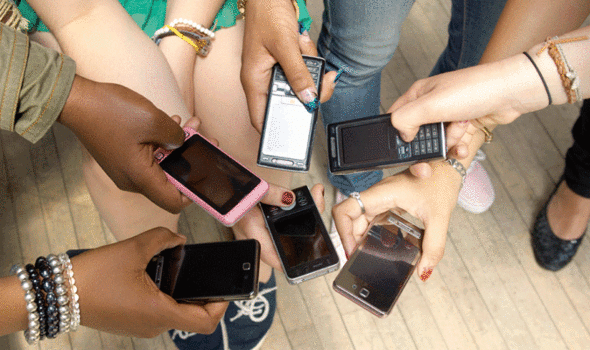
Using your phone when you’re physically present with others sends a message that the people around you are less important than your screen.
Situations where this matters
- Group meetings
- Family functions
- Office breaks
- Outings with friends
- Dining tables
Why it’s considered rude
- It breaks the flow of conversation
- It appears disrespectful
- It weakens relationships
- It signals disinterest
Important tip:
If something urgent forces you to check your phone, politely excuse yourself or inform the group briefly. This shows courtesy.
Being present is one of the strongest forms of respect you can offer.
7. Additional Etiquette Tips for Modern Mobile Users
As mobile usage evolves, so do the recommended manners. Here are some modern etiquette habits worth adopting:
✔ Don’t use speakerphone in public
It disturbs everyone and exposes personal conversations.
✔ Avoid taking photos or videos without permission
Respect privacy at gatherings, public places, and workplaces.
✔ Be mindful while walking
Staring at your phone while walking can cause accidents.
✔ Don’t text and drive
Use hands-free options and focus on the road.
✔ Keep your phone away during meetings
It shows professionalism and active participation.
✔ Control notification overload
Constant buzzing affects your productivity and irritates people around you.
✔ Use social media responsibly
Avoid posting others’ photos or conversations without consent.
These small habits go a long way in showing respect and maturity.
8. Why Mobile Etiquette Matters Today
Good phone etiquette is more than politeness. It strengthens relationships, protects privacy, and maintains harmony in shared spaces.
Benefits of proper etiquette
- People see you as respectful and professional
- Conversations become more meaningful
- You avoid awkward conflicts
- You show emotional intelligence
- You create a positive impression everywhere
As the saying goes:
“Etiquette is the language of respect, and your phone habits speak louder than words.”
Conclusion
Mobile phones are essential, but how we use them reflects our manners, character, and social awareness. Following these six important etiquettes—stepping away for calls, keeping the phone silent when needed, switching it off in sensitive spaces, maintaining privacy, speaking softly, and avoiding phone use in groups—helps you stay polite and considerate wherever you go.
In a world full of screens, choosing to be present and respectful makes you stand out. The more mindful you are about phone usage, the better your interactions and relationships become.