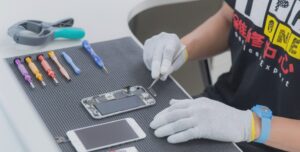
It is easy to take our phones for granted. We use them everywhere—while walking, working, chatting, eating, traveling, or even resting. In the middle of this busy routine, we often forget how delicate a phone’s display actually is. A quick slide into a pocket with keys, a moment of carelessness while placing it face-down, or a minor slip from the hand is enough to leave your device with annoying scratches.
Even small marks can make the screen look old and dull, reduce clarity, and sometimes interfere with touch response. The good news? Most light scratches can be reduced or hidden using safe, modern methods. Today’s screens are stronger, coated with oleophobic layers, and designed to resist everyday wear—but they are not completely scratch-proof.
This guide explains updated, tested, expert-approved ways to fix or reduce phone screen scratches without damaging your device. You will also learn when DIY methods are safe—and when professional repair is the smarter choice.
One simple reminder that fits perfectly here:
“Take care of your devices, and they will take care of your daily life.”
Understanding Phone Scratches Before You Start
Not every scratch is the same. Correct identification helps you choose the right solution.
1. Hairline Scratches
Very light marks visible only under strong light.
Good news: These can often be reduced significantly with simple polishing or screen protection.
2. Surface-Level Scuffs
Visible marks caused by coins, minor abrasions, or rough surfaces.
Can be treated: With plastic-safe polish or a tempered glass protector.
3. Deep Scratches
Easily visible, felt with a fingernail, and sometimes affecting touch.
Cannot be repaired at home: Professional repair may be needed.
4. Cracks or Spiderweb Damage
These are structural damages.
Do not attempt DIY fixes: Screen replacement is the only solution.
Before knowing how to remove scratches, it is important to know how to protect cell phone screen from damage and scratches. Knowing the difference saves time and prevents further damage.
Important Safety Warning
Older home remedies like toothpaste, baking soda, nail polish, spirit, or abrasive powders are no longer safe for modern smartphones.
They can:
- Damage the oleophobic coating
- Increase the size of scratches
- Cause screen discoloration
- Affect touch sensitivity
The steps below use safe and updated solutions that match current screen technologies.
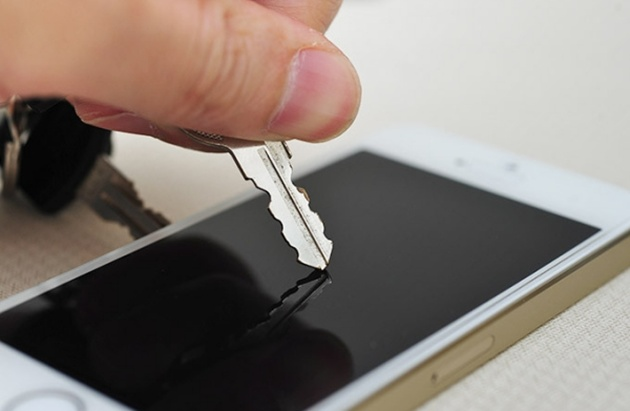
7 Modern & Safe Ways to Remove Scratches From a Mobile Screen
1. Clean the Screen Properly Before Any Treatment
Before attempting any fix, always start with a clean surface. Dust or dirt can cause further micro-scratches during the process.
How to clean safely:
- Turn off your device
- Use a soft microfiber cloth (same as used for spectacles)
- Slightly dampen it with screen-safe cleaning spray or distilled water
- Wipe gently in straight motions
Avoid circular scrubbing, harsh cloths, paper tissues, or alcohol-based cleaners.
A clean screen helps you see the true depth of scratches and prevents worsening them.
2. Use a High-Quality Tempered Glass Screen Protector to Hide Scratches
This is one of the most effective and low-risk ways to improve the appearance of your phone.
Why this works:
Tempered glass has a uniform thickness and coating. When applied, it fills minor gaps, making light scratches almost invisible. It also prevents new scratches.
Steps:
- Clean the screen thoroughly
- Align the tempered glass
- Apply slowly to avoid bubbles
- Press down to seal edges
If your scratches are minor, you will see an instant improvement.
3. Use a Plastic Polish or Display-Polishing Compound
For phones with plastic screens—mainly older models, budget devices, or some foldable phones—light scratches can be reduced with special-purpose polish.
Use only phone-safe polishing compounds, such as:
- PlastX
- PolyWatch (plastic polish version)
These products contain micro-abrasives designed to gently level the scratched surface.
How to use:
- Apply a small drop on the scratch
- Use a microfiber cloth to rub gently in a controlled direction
- Polish for 10–20 seconds
- Wipe clean and inspect
Do NOT use plastic polish on glass screens.
4. Use Cerium Oxide for Glass Screen Scratch Reduction
For glass displays, the safest professional-grade solution is cerium oxide, a polishing compound used for glass restoration.
While it won’t remove deep scratches, it can visibly reduce light marks.
Usage tips:
- Mix cerium oxide powder with a few drops of water to make a thin paste
- Apply with a microfiber cloth
- Polish lightly for 20–30 seconds
- Clean and check the improvement
This method requires patience, but it gives the best DIY result for glass screens.
5. Apply a Liquid Screen Protector as a Scratch Filler
Liquid screen protectors are made of silica-based nanolayers that bond to the screen surface.
They do not remove scratches, but they can reduce visibility and add a protective coat.
Benefits:
- Helps hide micro-scratches
- Enhances smoothness
- Adds a thin protective layer
How to apply:
- Clean the screen
- Apply liquid evenly
- Let it cure for the recommended time
- Buff gently with a microfiber cloth
This is ideal for very fine hairline scratches.
6. Install a Hydrogel Screen Protector for Flexible Scratch Coverage
Hydrogel protectors have become popular because they self-heal minor scratches. The material is flexible and restores itself with heat or pressure.
Why hydrogel works well:
- Self-healing properties
- Covers and hides small scratches
- Excellent touch sensitivity
Steps to apply:
- Clean the screen
- Align and place the hydrogel sheet
- Use the squeegee to smooth out the material
- Allow it to “heal” over the next 24–48 hours
Perfect for curved screens, foldable phones, and devices with minor marks.
7. Choose Professional Polishing or Screen Replacement for Deep Scratches
If the scratch is deep enough to feel with a nail, DIY methods won’t fix it. Professional technicians use controlled glass polishing machines and compounds safe for laminated displays.
Professional services may include:
- Oleophobic coating reapplication
- Controlled glass micro-polishing
- Full display replacement
When the scratch affects display performance or touch, replacement is the only long-term solution.
As people often say:
“Not everything needs fixing at home—some repairs deserve expert hands.”
Practical Tips to Prevent Future Scratches
Once you fix your screen, protect it from new marks by following a few simple habits.
1. Use a high-quality screen protector
Choose between tempered glass, hydrogel, or nano-coating for the best protection.
2. Keep your phone away from sharp objects
Avoid storing your phone in pockets with keys or coins.
3. Clean your screen regularly
Dust particles act like sandpaper over time.
4. Use a protective case
Raised edges prevent the screen from touching surfaces.
5. Avoid keeping your phone face-down
Especially on rough or dusty surfaces.
6. Handle your phone with care outdoors
A small fall on concrete can instantly damage the display.
These small habits help maintain screen clarity and prolong the lifespan of your device.
When Should You Not Attempt Any DIY Scratch Repairs?
Avoid DIY methods in the following cases:
- Your phone has cracks or spiderweb patterns
- Scratches affect the touch response
- The scratch lies near edges or corners
- Liquid has entered the phone previously
- You feel unsure or uncomfortable performing repairs
In these cases, choose a professional repair service to avoid worsening the damage.
Common Myths About Fixing Phone Screen Scratches
Let’s clear up some misconceptions:
❌ Toothpaste removes scratches
Fact: Toothpaste is abrasive and damages coatings.
❌ Baking soda works like polish
Fact: It can worsen the scratch and dull the screen.
❌ Nail polish fills deep scratches
Fact: It ruins the oleophobic coating and is impossible to clean completely.
❌ Alcohol removes marks
Fact: Strong alcohol dissolves the protective layer.
Sticking to safe, modern methods ensures your phone stays in good condition.
Summary
Scratches on a mobile screen are frustrating, but they don’t always require expensive repairs. With modern solutions like tempered glass protectors, hydrogel films, liquid coatings, and safe polishing compounds, you can reduce or hide many light marks.
Remember:
- Light scratches → Can be polished or hidden
- Surface-level scuffs → Tempered glass or hydrogel works well
- Deep scratches → Only professional repair or replacement
Stay gentle, stay patient, and avoid outdated remedies that can harm modern screens.