Tag: cell phone repair

  • How To Repair A Water Damaged Smartphone

    How To Repair A Water Damaged Smartphone

    A water-damaged phone can feel like a disaster. Whether your smartphone slips into the sink, gets caught in rain, falls in the toilet, or gets splashed during your day, water can easily reach sensitive components and cause serious damage. Modern smartphones—including Android devices, iPhones, and even premium waterproof models—are not fully protected from liquid exposure. Water can still enter speakers, charging ports, microphones, buttons, and even the motherboard.

    But here’s the good news: Water damage does not always mean your phone is dead.
    If you act quickly and follow the right steps, you can reduce the damage and improve the chances of saving your device.

    “Acting fast is the difference between a temporary issue and a dead device.”

    This guide offers a simple, step-by-step process based on real repair experience, updated knowledge, and practical insights from technicians who regularly handle water-damaged smartphones.

    The goal is to help you avoid common mistakes, protect your data, and understand when professional help is necessary.


    Understanding Water Damage in Smartphones

    A smartphone contains delicate circuits and micro-components. When liquid enters the phone, it can:

    • Short-circuit electrical paths
    • Corrode metal components
    • Damage the battery
    • Affect the screen and touch response
    • Block the speaker and microphone
    • Interrupt charging
    • Damage the logic board of the device

    Even a small amount of moisture can cause long-term damage if not handled properly.
    That is why the first few minutes matter the most.

    Before we begin, let’s clear a popular myth:

    Myth: “A water-resistant phone is safe in water.”

    Truth: Water-resistant does NOT mean waterproof.

    Water-resistance ratings (IP67, IP68) help only in controlled conditions—clean, still water, shallow depth, limited time. Real-world scenarios are different:

    • Soap water
    • Pool water
    • Saltwater
    • Hot water
    • High pressure

    All of these can breach seals easily.


    Immediate Steps to Take When Your Phone Gets Wet

    Here are the steps you must follow the moment your smartphone gets water exposure.


    1. Remove the Phone from Water Immediately

    The longer the device stays in water, the deeper the moisture travels.
    Quick action increases the chance of saving your smartphone.


    2. Turn Off the Phone Immediately

    This is the most important step.

    Do NOT press any other buttons.
    Do NOT check whether the phone is working.

    Why?
    Electricity + Water = Short circuit.

    Keeping the phone ON forces current into wet components, causing permanent damage.
    If your mobile phone is already OFF, leave it OFF.


    3. Remove the Case, SIM Card, Memory Card, and Accessories

    Take out:

    • Phone case
    • SIM tray
    • MicroSD card
    • Headphones or USB accessories

    This allows airflow and prevents components from trapping moisture.


    4. Dry the Phone Exterior Gently

    Use a soft, absorbent cloth or tissue.

    Avoid:

    • Shaking the phone
    • Blowing forcefully into ports
    • Using compressed air

    These actions push water deeper into the device.

    Pat dry gently instead.


    5. Keep the Phone Upright to Prevent Water Spread

    If liquid has entered the charging port or speaker, let gravity help.

    Place the phone vertically so the water drains downward.


    6. Do NOT Use Hair Dryers or Heat Guns

    Excess heat is dangerous for your device.
    It can:

    • Warp components
    • Damage the battery
    • Melt adhesives
    • Push moisture inside

    Some people also place phones under direct sunlight. Avoid this too.


    7. Do NOT Put the Smartphone in Rice

    The “rice method” is one of the biggest myths.

    Why you should avoid rice:

    • It does NOT remove moisture inside the phone
    • Rice dust can enter internal components
    • It delays proper treatment
    • It gives false hope

    Instead of using rice, allow the phone to dry naturally or seek professional help.


    What You SHOULD Do Instead: Safe Drying Methods

    If you want the best chance of recovery, follow these safe, technician-approved drying techniques.


    8. Use Silica Gel Packs (Highly Recommended)

    Silica gel packets absorb moisture much more effectively than rice.

    You can find them in:

    • Shoeboxes
    • Electronics packaging
    • Medicine bottles

    Place your device in an airtight box with silica gel for 24–48 hours.


    9. Let the Phone Air-Dry Naturally

    Place the phone:

    • In a cool, dry place
    • With good airflow
    • Away from heat sources

    Air drying gives moisture time to evaporate safely.


    10. Do Not Charge the Phone Until Fully Dry

    Charging a wet smartphone is extremely dangerous.

    NEVER plug in your phone after water exposure.
    Moisture in the charging port can:

    • Short the charging IC
    • Damage the motherboard
    • Burn internal components
    • Cause sparks

    Wait for at least 24–48 hours before testing the device.


    When to Turn the Phone Back On

    After the drying period (usually 1–2 days), turn the phone ON only when:

    • No visible moisture remains
    • Charging port is fully dry
    • Buttons respond normally
    • Phone feels dry to the touch

    If the device still has moisture or fog under the screen, do NOT turn it on.


    Signs Your Smartphone Still Has Water Inside

    Watch for these symptoms:

    • Foggy camera lens
    • Muffled speaker sound
    • Charging error messages
    • Screen flickering
    • Random touch inputs
    • Microphone not working
    • Device heating without use

    If you see any of these, do not continue using the phone. Switch it OFF and seek professional help.

    You can also read How To Repair Your Cell Phone Yourself (DIY) – Easy Guide


    Professional Water Damage Repair Process (What Technicians Do)

    If the phone does not turn on or shows problems after drying, take it to a mobile repair technician.
    Water damage repair involves:


    11. Disassembling the Phone

    The technician opens the device to inspect the:

    • Battery
    • Motherboard
    • Connectors
    • Display interface
    • Charging port

    This allows accurate diagnosis.


    12. Cleaning the Logic Board with Ultrasonic Machines

    Professional repair shops use ultrasonic cleaners to remove corrosion, salt, and minerals from the circuit board.

    This process uses:

    • High-frequency sound waves
    • Specialized cleaning solutions
    • Controlled temperature

    It safely restores many water-damaged devices.


    13. Removing Corrosion and Deposits

    Water leaves minerals that damage circuits.
    Technicians clean these using:

    • IPA (isopropyl alcohol)
    • Soft brushes
    • Micro tools

    Removing corrosion prevents long-term failure.


    14. Testing Components After Cleaning

    The technician checks:

    • Battery health
    • Charging IC
    • Power IC
    • Audio IC
    • Display
    • Touch
    • Network antennas
    • Microphone and speaker

    Water damage often affects multiple components.


    15. Replacing Faulty Parts

    If needed, the technician may replace:

    • Battery
    • Screen
    • Charging port
    • Buttons
    • Camera module
    • Microphone
    • Motherboard components

    Sometimes the entire logic board may need replacement.


    Common Problems After Water Damage

    Even if the device turns on, water exposure can cause long-term issues:

    • Battery draining fast
    • Weak charging
    • Touchscreen issues
    • Camera fog
    • Speaker distortion
    • Microphone failure
    • Poor network signals

    It’s important to get a full diagnosis if symptoms appear later.


    How to Prevent Water Damage in the Future

    Follow these simple habits to protect your smartphone:

    • Use a water-resistant case
    • Avoid using the phone near sinks or pools
    • Keep the phone away from steam and humidity
    • Dry hands before using the device
    • Prevent rain exposure
    • Avoid placing the device in your back pocket
    • Use waterproof pouches when traveling

    Prevention is always cheaper than repair.


    What You Should NEVER Do With a Wet Phone

    To avoid further damage:

    ❌ Do not turn the phone ON
    ❌ Do not charge the phone
    ❌ Do not press buttons
    ❌ Do not blow into ports
    ❌ Do not shake the device
    ❌ Do not use heat or dryers
    ❌ Do not use rice

    These actions push water deeper into the device or cause short circuits.


    Frequently Asked Questions About Water Damage

    1. Can a completely dead water-damaged phone be repaired?

    Yes, depending on the level of internal damage. Many phones recover after ultrasonic cleaning.

    2. Can saltwater damage be repaired?

    Saltwater causes quicker corrosion. Immediate cleaning is essential.

    3. How long should I keep my phone turned off?

    At least 24–48 hours before testing.

    4. Will waterproof phones survive water exposure?

    They resist water temporarily, not permanently. They can still get damaged.

    5. Does water damage void warranty?

    Yes, most manufacturers do not cover water damage.


    Conclusion

    A water-damaged phone does not always mean the end of your device. With the right steps—turning it off, drying it safely, and avoiding common mistakes—you can save your device or reduce the repair cost significantly. Acting quickly makes all the difference.

    If your smartphone still shows issues after drying, seek professional repair.
    Technicians have the tools and skills to restore components that home methods cannot fix.

    “Your speed and your decisions decide whether your phone survives water damage.”

    By following the safe procedures in this guide, you’ll protect your device, your data, and your investment.
  • How to Fix a Phone That Keeps Switching Off Automatically

    How to Fix a Phone That Keeps Switching Off Automatically

    A smartphone shutting down unexpectedly can be frustrating, especially when it happens repeatedly or when the battery is still full. Whether your phone keeps switching off automatically, restarts by itself, or powers down without warning, the problem can range from simple software issues to deeper hardware faults.

    The good news is that most cases can be fixed with the right troubleshooting steps.

    “Most phone problems look complicated, until you start fixing them one step at a time.”

    This guide explains why your device may be turning off by itself and provides a detailed step-by-step process to diagnose and repair it. The solutions apply to all types of smartphones — Android devices, iPhones, tablets, and even older feature phones.


    Why Phones Switch Off Automatically: Common Causes

    A device shutting down on its own is usually triggered by either a software failure, a battery/power issue, or a hardware fault. Knowing the cause helps you fix it more effectively.

    Here are the most common reasons:


    1. Loose or faulty battery connection

    A weak battery connector, bent pins, or a swollen battery can interrupt power supply, causing random shutdowns.


    2. Corrupted system software

    If your operating system or firmware has bugs, glitches, or corrupted files, the phone may restart or turn off automatically.


    3. Malware or virus infection

    A virus running in the background can overload the system, drain resources, and force the device to shut down unexpectedly.


    4. Overheating

    Smartphones automatically turn off when temperatures exceed safe limits to protect internal components.


    5. Damaged or deteriorated battery

    A worn-out battery may show 50% or 80% charge and still turn off suddenly. This is common in older smartphones.


    6. Moisture or dust on the motherboard

    Liquid damage or accumulated dust can cause short circuits, leading to random shutdowns.


    7. Faulty components on the logic board

    Issues with the power IC, CPU, resistors, capacitors, or charging IC often cause the phone to restart repeatedly.


    8. Power button stuck or malfunctioning

    A damaged or jammed power key can unintentionally trigger shutdowns.


    9. Heavy apps or RAM overload

    Large applications, background processes, or insufficient RAM can cause automatic reboots.


    10. Storage almost full

    Low storage space affects system performance and stability.


    Symptoms of a Phone Turning Off Automatically

    Your mobile may show one or more of these signs:

    • restarting again and again
    • switching off with full battery
    • device shutting down unexpectedly
    • turning off during calls or gaming
    • reboot loop (phone restarts and never reaches home screen)
    • switching off when unplugged
    • phone turning off by itself after heating

    Each symptom gives a clue about the underlying issue.


    Step-by-Step Guide: How to Fix a Phone That Keeps Switching Off Automatically

    Follow these troubleshooting steps in order. Start with the simplest solutions; move to advanced repairs only if needed.


    1. Check Battery Health and Physical Connection

    Battery issues are the most common cause of automatic shutdowns. Begin by inspecting the battery and connectors.

    What to do:

    • Remove the battery (if removable) and clean the metal terminals gently.
    • Check if the pins on the phone’s battery connector are bent or loose.
    • For non-removable batteries, use a flashlight to inspect swelling or deformation.
    • Clean the charging port and internal contacts with a soft brush.

    Important:

    If the battery is swollen, stop using the phone immediately. Swollen batteries are dangerous and must be replaced.


    2. Restart the Phone (Soft Reset)

    A simple reboot can clear temporary glitches, RAM errors, and unstable background processes.

    Steps:

    • For Android: long-press Power → Restart
    • For iPhone: press the Volume + Power button → Slide to power off → Turn on again

    This resolves minor issues that trigger random shutdowns.


    3. Update the Operating System

    Outdated software can cause instability, causing the device to switch off on its own.

    How to update:

    • Android: Settings → System → Software Update
    • iPhone: Settings → General → Software Update

    Keeping your phone updated improves performance, fixes bugs, and enhances system stability.


    4. Free Up Storage and Close Background Apps

    Insufficient storage and overloaded RAM can push your phone into auto-restart or shutdown.

    Do this:

    • Delete unused apps
    • Clear cache
    • Move media files to cloud or SD card
    • Force stop heavy apps running in background

    A lighter system runs more smoothly and reduces random shutdowns.


    5. Boot in Safe Mode

    Safe mode loads only essential system apps. If the phone works fine in safe mode, the issue is caused by a third-party app.

    How to enter Safe Mode:

    • Android: long press Power → long press “Power Off” → Safe Mode
    • iPhone: boot normally → uninstall recently installed apps manually

    Remove suspicious apps, especially free cleaners, battery boosters, or unknown APKs.


    6. Remove Malware or Virus

    Viruses can make your phone:

    • shut down automatically
    • restart again and again
    • heat excessively
    • drain battery

    Fix:

    • Install a trusted antivirus app
    • Scan and remove threats
    • Avoid installing apps from unknown sources

    If malware is severe, you may need to perform a reset (covered later).


    7. Check for Overheating Issues

    Phones automatically shut down when they exceed safe temperatures.

    To prevent overheating:

    • Avoid playing heavy games for long durations
    • Remove thick or metal cases
    • Reduce screen brightness
    • Turn off GPS, Wi-Fi, Bluetooth when not needed
    • Avoid charging while using the phone

    If overheating persists, a hardware fault in the power section may be present.


    8. Reset All Settings (Without Deleting Data)

    Resetting system settings can fix misconfigurations affecting device stability.

    How to reset:

    • Android: Settings → System → Reset Options → Reset all settings
    • iPhone: Settings → General → Transfer/Reset iPhone → Reset → Reset All Settings

    This won’t erase personal data.


    9. Factory Reset (Format the Device)

    If the phone still keeps switching off automatically, backup your data and perform a clean reset.

    Why this helps:

    A factory reset removes:

    • viruses
    • corrupted files
    • misconfigured settings
    • unstable apps
    • faulty data

    Steps:

    • Android: Settings → Reset → Factory Data Reset
    • iPhone: Settings → General → Erase All Content and Settings

    This solves most software-level shutdown issues.


    10. Flash or Reinstall the Firmware (Advanced Software Repair)

    If the operating system is deeply corrupted, reinstalling the firmware may be required.

    Technician-level process:

    • Android: use tools like Odin, SP Flash Tool, or brand-specific flashing software
    • iPhone: use iTunes/Finder → Restore iPhone

    This step is recommended only for users familiar with firmware flashing.


    11. Clean the Motherboard (Professional Servicing)

    Moisture and dust can cause short circuits on the PCB, making the phone shut down randomly.

    How technicians clean the board:

    • Disassemble the device
    • Clean PCB with IPA (isopropyl alcohol)
    • Use ultrasonic cleaning (best method)
    • Dry the PCB completely
    • Reassemble the phone

    If the problem disappears after cleaning, moisture or corrosion was the cause.


    12. Heat Treatment (Only for Professionals)

    Sometimes components like resistors, capacitors, or BGA chips lose contact due to micro-cracks.

    Heating the PCB can restore these connections.

    Methods used:

    • Hot air rework station
    • Controlled heating of the power IC
    • Reflow of loose components

    This must be done carefully to avoid damaging delicate parts.


    13. Inspect and Replace Hardware Components

    If none of the above methods fix the issue, check the following:

    Common faulty parts:

    • Power IC (PMIC) – most common cause of restarting
    • CPU / Application Processor – rare but serious
    • Battery connector
    • Charging IC
    • Faulty capacitors or resistors in power line
    • Thermal sensors

    A technician will use:

    • a multimeter
    • schematic diagrams
    • DC power supply
    • microscope

    to diagnose the exact fault.

    Replacing the faulty component usually fixes random shutdowns.


    14. Check the Power Button

    If the power key is stuck or damaged, the phone may behave as if you are pressing the button repeatedly.

    Fix:

    • Remove the case
    • Clean around the power button
    • Replace the button flex if unresponsive

    A defective button is an often overlooked reason for automatic shutdowns.


    15. Replace the Battery

    If your phone switches off with full battery or restarts when battery drops below 30%, the battery is likely weak.

    Signs of a bad battery:

    • sudden shutdowns
    • rapid battery drain
    • inaccurate battery percentage
    • overheating
    • swelling

    A simple battery replacement can solve the entire issue.


    When to Seek Professional Repair

    If your phone continues turning off automatically after trying the steps above, get it checked by a technician.

    Seek help if:

    • phone reboots immediately after turning on
    • device heats up before shutting down
    • battery drains even when the phone is off
    • flashing/reset did not help
    • motherboard shows corrosion
    • there are visible signs of liquid damage

    Technicians use specialized tools to diagnose complex faults.

    how to repair mobile phone auto turning off

    How to Prevent Your Phone From Switching Off Automatically

    To avoid future issues:

    • Keep your software updated
    • Don’t install suspicious apps
    • Use genuine chargers and batteries
    • Keep storage space above 20%
    • Avoid using the phone while charging
    • Regularly clean charging port and speaker grills
    • Avoid extreme temperatures
    • Use a surge protector

    These habits extend your device’s life and stability.

    A healthy phone isn’t just repaired — it’s maintained daily through small habits.”


    Conclusion

    A phone that keeps switching off automatically can be fixed in most cases. Whether the issue is related to battery health, system software, moisture, overheating, or hardware components, there is always a logical troubleshooting path to follow. Start with basic steps like checking the battery, updating software, and removing malware. Move toward advanced repairs like motherboard cleaning or power IC diagnosis only if needed.

    If your smartphone still turns off by itself, don’t worry — a professional technician can usually identify the exact cause and restore your device.

  • What Is an Unlocked Phone? Meaning, Benefits, and How It Works

    What Is an Unlocked Phone? Meaning, Benefits, and How It Works

    Most people have heard the term unlocked phone, yet few understand what it really means. Whether you’re buying a new smartphone, switching networks, or repairing mobile phones professionally, knowing the difference between a locked and unlocked device can save you money, time, and unnecessary stress.

    In simple words, an unlocked phone is a mobile device that can work with any compatible carrier’s SIM card. It is not restricted to a single telecom operator, and you are free to use it with any network you choose.

    As the saying goes, “Freedom in technology begins with understanding.”
    This is especially true when choosing between a locked and an unlocked smartphone.

    This guide explains everything—what phone unlocking actually means, how it works, its advantages, risks, and how to unlock a device safely.


    What Does Phone Unlocking Mean? (Simple Definition)

    Phone unlocking means removing the carrier-imposed restriction that prevents a mobile phone, iPhone, Android device, or feature phone from working on other telecom networks.

    A locked phone works only with the carrier it was originally purchased from.
    An unlocked phone can accept SIM cards from any supported carrier.

    In technical terms:

    A locked device has a network lock or SIM lock programmed into its firmware by the original carrier. Unlocking removes that lock, allowing the smartphone to register on other networks without limitations.


    Why Do Some Phones Come Locked?

    Carriers lock phones mainly for business reasons:

    • They offer devices at discounted prices or monthly installments.
    • Locking ensures the customer stays with their service until the contract ends.
    • It prevents immediate switching to another network.

    This is very common in many countries. However, the trend has shifted globally because more people now prefer factory-unlocked phones for flexibility.


    Types of Phone Unlocking

    There are different forms of unlocking, each used in different situations:

    1. Network Unlock (SIM Unlock)

    This removes the carrier’s restriction so you can use any SIM card.
    This is the most common and legal unlocking method worldwide.

    2. Bootloader Unlock (Android)

    This unlocks the device’s bootloader to allow custom ROMs or modifications.
    This is NOT the same as network unlocking and may void warranty.

    3. iCloud Unlock / Activation Unlock (Apple Devices)

    This unlocks a device tied to an Apple ID.
    Used only when a user has forgotten their password (illegal when misused).

    4. FRP Unlock (Factory Reset Protection – Android)

    This unlocks a phone locked after a factory reset due to forgotten Google credentials.

    For this article, we focus on network unlocking, as it relates directly to using your phone on any carrier.


    How to Check If Your Phone Is Unlocked

    Smartphone brands like Apple, Samsung, Xiaomi, Oppo, and others provide simple ways to verify the unlock status.

    Method 1: Try Another SIM Card

    Insert a SIM from a different carrier.

    • If it shows network signal → unlocked
    • If it says “Invalid SIM,” “SIM Not Supported,” or “Network Locked” → locked

    Method 2: Check in Settings (iPhone)

    Go to:
    Settings → General → About → Carrier Lock
    If it says No SIM restrictions, the iPhone is unlocked.

    Method 3: Carrier Check

    Your mobile network provider can confirm the status via customer support.

    Method 4: IMEI Database Check

    Technicians often use IMEI verification tools to confirm whether a device is locked or blacklisted.


    How Does Unlocking Work? A Simple Explanation

    Unlocking modifies the phone’s internal programming so it no longer checks for the original carrier’s SIM.

    Unlocking can be done by:

    • Requesting an unlock code from the carrier
    • Entering an official unlock code provided by the manufacturer
    • Remote unlock services using authorized IMEI tools
    • Official carrier or manufacturer websites

    Important:

    Unlocking does NOT jailbreak your phone, modify hardware, or affect your data.
    It only removes the SIM restriction.


    Benefits of Using an Unlocked Phone

    An unlocked phone gives more control, more savings, and more flexibility.

    Here are the most valuable benefits:


    1. Freedom to Choose Any Network

    This is the biggest advantage.
    You can switch to any carrier based on:

    • Better plans
    • Stronger network coverage
    • Cheaper data packages
    • Faster 5G availability

    This flexibility is especially useful when you relocate or travel.


    2. No Contract or Binding Commitments

    Unlocked phones are generally contract-free.
    You are not forced to stay with a carrier for years.


    3. Better Resale Value

    Unlocked devices have higher resale value because they are compatible with more buyers’ networks.


    4. No Hidden Restrictions by Carriers

    Some carriers disable certain features in locked phones.
    Unlocked devices come with the manufacturer’s clean software experience without limitations.


    5. Best for International Travel

    When traveling, you can simply insert a local SIM card to avoid expensive roaming charges.

    As many travelers say:
    “An unlocked phone turns the world into your network.”


    6. Works with eSIM and Dual SIM More Easily

    Modern smartphones offer:

    • eSIM + physical SIM
    • Dual eSIM
    • Dual physical SIM (some Android models)

    Unlocked phones support these features more reliably.


    Is Unlocking a Phone Legal?

    Yes. Unlocking is legal in most countries as long as:

    • You own the device
    • The contract is fulfilled
    • The carrier has authorized the unlock

    Illegal unlocking occurs only when attempting to unlock stolen or blacklisted devices.


    How to Unlock Your Phone (Step-by-Step)

    1. Unlocking Through Your Carrier (Recommended)

    Most carriers provide unlocking services if:

    • The device is fully paid off
    • The account is in good standing

    Steps:

    1. Contact your carrier.
    2. Request an unlock for your phone.
    3. Receive an unlock code or automatic unlock.
    4. Insert a new SIM and follow the instructions.
    how to unlock a cell phone

    2. Manufacturer or Official Website Unlock

    Some brands allow unlocking through:

    • Apple carrier unlock request
    • Samsung official unlock partners
    • Xiaomi and Oppo authorized service tools

    3. Technician-Based IMEI Unlocking

    Professional repair shops use specialized tools like:

    • Octoplus
    • Chimera
    • Sigma
    • Z3X

    These tools perform legal IMEI-based unlocking for many models.


    4. Remote Unlock Services (Use Carefully)

    Online unlocking services can unlock many phones, but you must choose trusted, legitimate providers.
    Avoid extremely cheap services — they may be scams.


    Risks or Disadvantages of Unlocking

    While unlocking is beneficial, there are some considerations:

    1. Warranty Issues (Rare but Possible)

    Some manufacturers may void parts of the warranty if unlocking leads to modification.

    2. Wrong Unlocking Methods Can Harm the Device

    Using unofficial tools or fake codes can:

    • Damage modem software
    • Cause network instability
    • Prevent future software updates

    3. Blacklisted Phones Cannot Be Unlocked Legally

    If a phone is reported stolen, it cannot be unlocked for network use.


    Locked vs Unlocked Phones: Quick Comparison

    FeatureLocked PhoneUnlocked Phone
    Network FreedomOnly one carrierAny compatible carrier
    CostCheaper upfrontYou pay full price
    Resale ValueLowerHigher
    International UseLimitedEasy with any SIM
    ContractUsually requiredNo contract
    Software RestrictionsPossibleNone

    Who Should Buy an Unlocked Phone?

    Unlocked smartphones are ideal for:

    • Frequent travelers
    • Students switching data plans often
    • Professionals working internationally
    • Users who want the best network quality
    • People who avoid carrier contracts
    • Smartphone technicians testing multiple SIMs

    “The more control you have over your phone, the more value it gives back to you.”


    Common Myths About Unlocking

    Let’s clear some misunderstandings:

    Myth: Unlocking slows down the phone.

    ✔ No. Unlocking does not affect performance.

    ❌ Myth: Unlocking removes your data.

    ✔ No. It only removes network restrictions.

    ❌ Myth: Unlocking is the same as jailbreaking.

    ✔ Completely different processes.

    ❌ Myth: Unlocking is illegal.

    ✔ Legal when done correctly.


    Tips to Stay Safe When Unlocking Your Phone

    • Always use official or authorized methods.
    • Avoid third-party apps that claim to “unlock instantly.”
    • Check the IMEI status before purchasing a used unlocked phone.
    • Keep your proof of ownership and receipts.

    Conclusion

    Understanding what an unlocked phone means gives you more power as a smartphone user. With the freedom to choose any carrier, better resale value, and fewer restrictions, unlocked phones are becoming the preferred choice for people worldwide.

    Whether you’re using an iPhone, Android device, or feature phone, unlocking helps you make the most of your device.

  • How to Check PCB Tracks in Mobile Phone Repair

    How to Check PCB Tracks in Mobile Phone Repair

    Checking PCB tracks is one of the most important skills in mobile phone repair. Technicians commonly call this process circuit tracing or line checking. It is used to find broken, damaged, or disconnected tracks on a printed circuit board (PCB).

    Many mobile phone problems are not caused by faulty components. Instead, they happen because a tiny copper track inside the PCB is broken. These tracks are usually hidden inside the board and cannot be seen directly. That is why proper testing methods are required.

    “A phone does not stop working because of one big fault. Most failures begin with one small broken connection.”

    This guide explains how to identify, test, and repair PCB tracks in smartphones, Android devices, iPhones, and feature phones. It is written for beginners as well as technicians who want to strengthen their fundamentals.


    What Is Circuit Tracing or Line Checking

    Circuit tracing means following the electrical path on a PCB to ensure that voltage and signals are reaching the correct components. A PCB is not just a flat green board. It is a complex structure made of multiple layers.

    Most modern mobile phone motherboards have:

    • 7 to 10 internal layers
    • Power tracks
    • Signal tracks
    • Ground planes
    • Shielded areas

    These tracks carry electricity from one point to another. If any track is damaged, the circuit becomes incomplete.


    Why PCB Tracks Get Damaged

    PCB tracks can break for several reasons, including:

    • Physical drop or impact
    • Water or moisture damage
    • Corrosion due to humidity
    • Overheating
    • Poor-quality previous repair
    • Excessive current or short circuit

    Even a small crack in a track can stop a component from working.


    Problems That Occur When PCB Tracks Are Broken

    Every function in a mobile phone depends on specific tracks. These tracks supply voltage and signals to different parts.

    When a track breaks, the related part may:

    • Stop working completely
    • Work intermittently
    • Fail only under load

    Common symptoms include:

    • Microphone not working
    • Speaker or ringer dead
    • Vibrator not functioning
    • Display not showing properly
    • Phone not charging
    • Network or SIM issues

    In many cases, technicians replace the component, but the problem remains. This usually indicates a track-level issue, not a component failure.


    How to Identify a Broken Track

    In older phones, many tracks were visible on the PCB surface. That is no longer the case with modern smartphones.

    Today:

    • Most tracks are internal
    • Many are hidden under ICs
    • Some run between multiple layers

    Because of this, technicians rely on logic, diagrams, and testing tools.

    Basic troubleshooting approach:

    1. Identify the faulty function
    2. Check the related component
    3. Measure voltage at the component
    4. If voltage is missing, trace the line

    If the component is fine but not receiving power or signal, the track is likely broken.


    Using Online Diagrams to Trace PCB Tracks

    One major advantage today is the availability of repair diagrams online. Many technicians use solution images shared by the repair community.

    You can search for diagrams using:

    • Google Images
    • Repair forums
    • Technical discussion boards

    Example searches:

    • Nokia microphone problem PCB solution
    • Samsung charging problem track diagram

    These diagrams usually show:

    • Power lines
    • Signal paths
    • Test points
    • Jumper locations

    Always compare multiple images before trusting one diagram.


    Selecting the Right Diagram

    Not all diagrams online are correct. Some are incomplete or wrongly marked.

    Choose diagrams that:

    • Are clear and high-resolution
    • Show exact component names
    • Have been shared by multiple sources
    • Match your board layout

    Using incorrect diagrams can cause further damage.


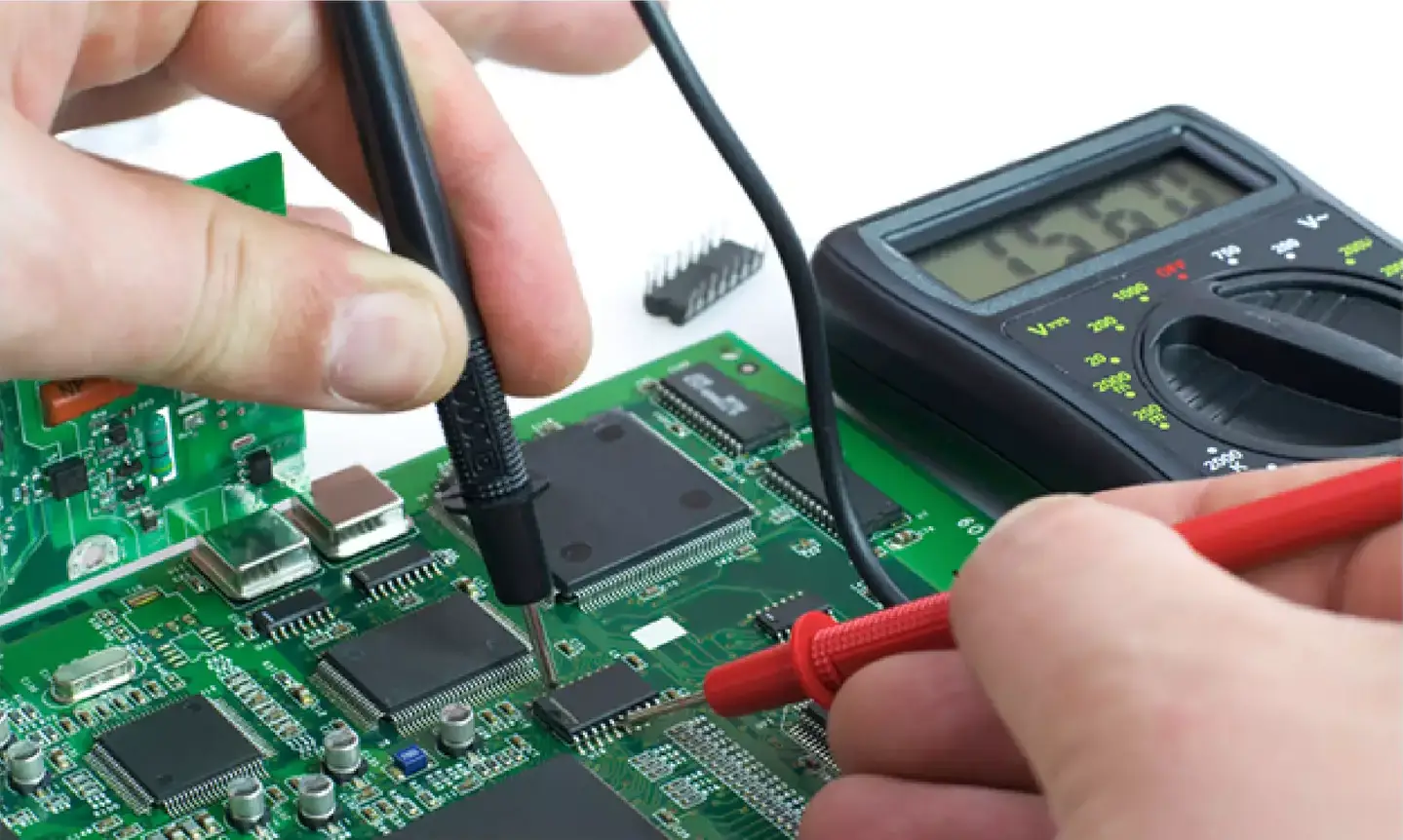
    How to Check PCB Tracks Using a Multimeter

    A digital multimeter is the most important tool for checking tracks.

    Multimeter setting:

    • Set the meter to continuity mode

    Step-by-step method:

    1. Place one probe at the starting point of the track
    2. Place the other probe at the ending point
    3. Listen for the beep sound
    • Beep sound = track is good
    • No sound = track is broken

    This method works for:

    • Power lines
    • Ground paths
    • Signal tracks

    You can also check continuity between test points shown in diagrams.

    smartphone motherboard tracks checking

    What to Do If a Track Is Broken

    If continuity is not present, the track needs repair.

    The most common repair method is jumpering.

    Jumper repair process:

    • Identify two healthy points on the same line
    • Use a thin insulated jumper wire
    • Solder carefully under magnification
    • Avoid nearby components
    • Recheck continuity after soldering

    Many diagrams also suggest checking or replacing:

    • Small resistors
    • Capacitors
    • Filter components

    Always double-check for short circuits after jumper repair.


    Importance of Jumper Accuracy

    A wrongly placed jumper can:

    • Short power to ground
    • Damage ICs
    • Make the phone completely dead

    Work slowly and logically. One correct jumper can save a motherboard. One wrong jumper can destroy it.


    Using Repair Forums and Community Resources

    Repair forums are valuable learning platforms. Technicians share:

    • Jumper diagrams
    • Real repair cases
    • Troubleshooting logic
    • Board-level solutions

    These resources help especially when official diagrams are not available.

    However, do not blindly follow everything. Always verify using your own testing.


    What If No Diagram Is Available

    Sometimes diagrams are not available for a specific model or fault.

    In such cases, the only option is:

    • Schematic diagrams
    • Board view files
    • Logical tracing

    Schematic diagrams show:

    • Complete circuit flow
    • Voltage sources
    • Signal directions
    • Component connections

    Reading schematics requires practice but is a core professional skill in advanced mobile repair.


    Hardware Faults vs Software Faults

    PCB track checking helps only with hardware-related problems.

    It will not fix:

    • Software crashes
    • Firmware corruption
    • OS bugs
    • App-related issues

    Always confirm that the issue is hardware-related before starting board-level work.


    Professional Insight and Experience (EEAT)

    From real repair experience, a large number of “dead” or “non-working” phones are repairable through proper track checking. Many boards that appear beyond repair can be revived with one correct jumper.

    This skill:

    • Saves expensive motherboards
    • Reduces unnecessary part replacement
    • Improves diagnostic accuracy
    • Builds technician confidence

    That is why circuit tracing is a key topic in structured mobile repair training and practical electronics education.

    “A skilled technician repairs what others replace.”


    Common Mistakes to Avoid

    • Jumping tracks without testing
    • Trusting a single online diagram
    • Applying excess heat
    • Ignoring grounding paths
    • Rushing the repair

    Patience and verification are more important than speed.


    Conclusion

    Checking PCB tracks is a fundamental and essential skill in mobile phone repair. It allows technicians to diagnose faults that are not visible and not solved by simple part replacement.

    With the help of:

    • Diagrams
    • Multimeters
    • Logical thinking
    • Careful soldering

    Most track-related problems can be identified and repaired successfully.

  • Soft Reset vs Hard Reset in Phones: What’s the Difference?

    Soft Reset vs Hard Reset in Phones: What’s the Difference?

    Modern smartphones have become powerful digital tools. A single device now handles communication, banking, navigation, entertainment, and work. With so many functions running together, it is normal for a mobile phone to sometimes slow down, freeze, or behave strangely.

    Most phone problems are not serious. Knowing the right fix at the right time makes all the difference.

    Many common phone issues can be solved without visiting a service center. Two simple solutions often help—soft reset and hard reset. These methods look similar on the surface but work very differently.

    This guide explains the real difference between soft reset and hard reset, when to use each one, what happens to your data, and what to do if problems continue even after resetting.


    Why Phones Start Misbehaving

    Smartphones run complex software. Over time, temporary files, background apps, system bugs, or failed updates can cause issues. Some phones start turning off by itself, others keep restarting, and some become slow even with a full battery.

    Common symptoms include:

    • Phone freezing or becoming unresponsive
    • Apps opening slowly or crashing
    • Screen not responding to touch
    • Phone switching off again and again
    • Device shutting down with full battery
    • Phone stuck on logo during startup
    • Random restarting without warning

    Most of these problems are software-related. That is where reset options help.


    What Is a Soft Reset? (Simple Restart Explained)

    A soft reset means restarting your smartphone normally or force-restarting it if the screen does not respond.

    It is the first and safest step to try when a phone behaves oddly.

    What a Soft Reset Does

    • Refreshes the system memory
    • Clears temporary background processes
    • Stops stuck apps and services
    • Reloads the operating system cleanly

    What a Soft Reset Does NOT Do

    • Does not delete data
    • Does not remove apps
    • Does not erase settings
    • Does not affect photos or contacts

    In simple words, a soft reset is like giving your phone a short break.


    When Should You Use a Soft Reset?

    A soft restart works best for minor problems, such as:

    • Phone is slow
    • Apps not opening properly
    • Screen not responding
    • Temporary network issues
    • Phone heating slightly
    • Phone restarting occasionally
    • Device behaving unusually after long usage

    Many technicians try a soft reset before doing anything else because it fixes a large number of issues instantly.


    How to Perform a Soft Reset (Android & iPhone)

    For Android Phones

    • Press and hold the Power button
    • Tap Restart, or
    • Hold Power for 10–20 seconds until the phone restarts

    For iPhones

    • For Face ID models: Press Volume Up + Power, then slide to power off
    • For Home button models: Hold Power, then slide to power off
    • Turn the phone back on after a few seconds

    This method is safe and can be repeated anytime.


    What Is a Hard Reset? (Factory Reset Explained)

    A hard reset, also known as a factory reset, erases all user data from the phone and restores it to its original condition.

    It is a last-resort solution when other troubleshooting steps fail.

    A hard reset does not repair hardware. It only gives the software a fresh start.


    What a Hard Reset Deletes

    A factory reset removes:

    • Google or Apple account data
    • Installed apps and app data
    • Contacts and call logs
    • Messages and chat history
    • Photos, videos, and downloads
    • System settings and preferences

    What It Does Not Remove

    • Operating system itself
    • Manufacturer firmware
    • Data on external memory card (in most cases)

    When Should You Use a Hard Reset?

    A hard reset is useful when:

    • Phone is switching off on its own
    • Phone is restarting repeatedly
    • Device stuck on boot logo
    • Severe lag even after restart
    • Malware or suspicious apps detected
    • Phone settings badly corrupted
    • Preparing the phone for resale

    It is also recommended if the phone keeps turning off automatically with full battery and software checks show no error.


    Important Checks Before Hard Reset

    Before performing a factory reset, always ensure:

    • Backup is taken (cloud or computer)
    • Battery level is above 50%
    • You remember your Google or Apple ID
    • SIM and memory card are removed (optional)

    Failing to back up data can cause permanent data loss.


    How to Perform a Hard Reset

    From Phone Settings

    1. Open Settings
    2. Go to System / General Management
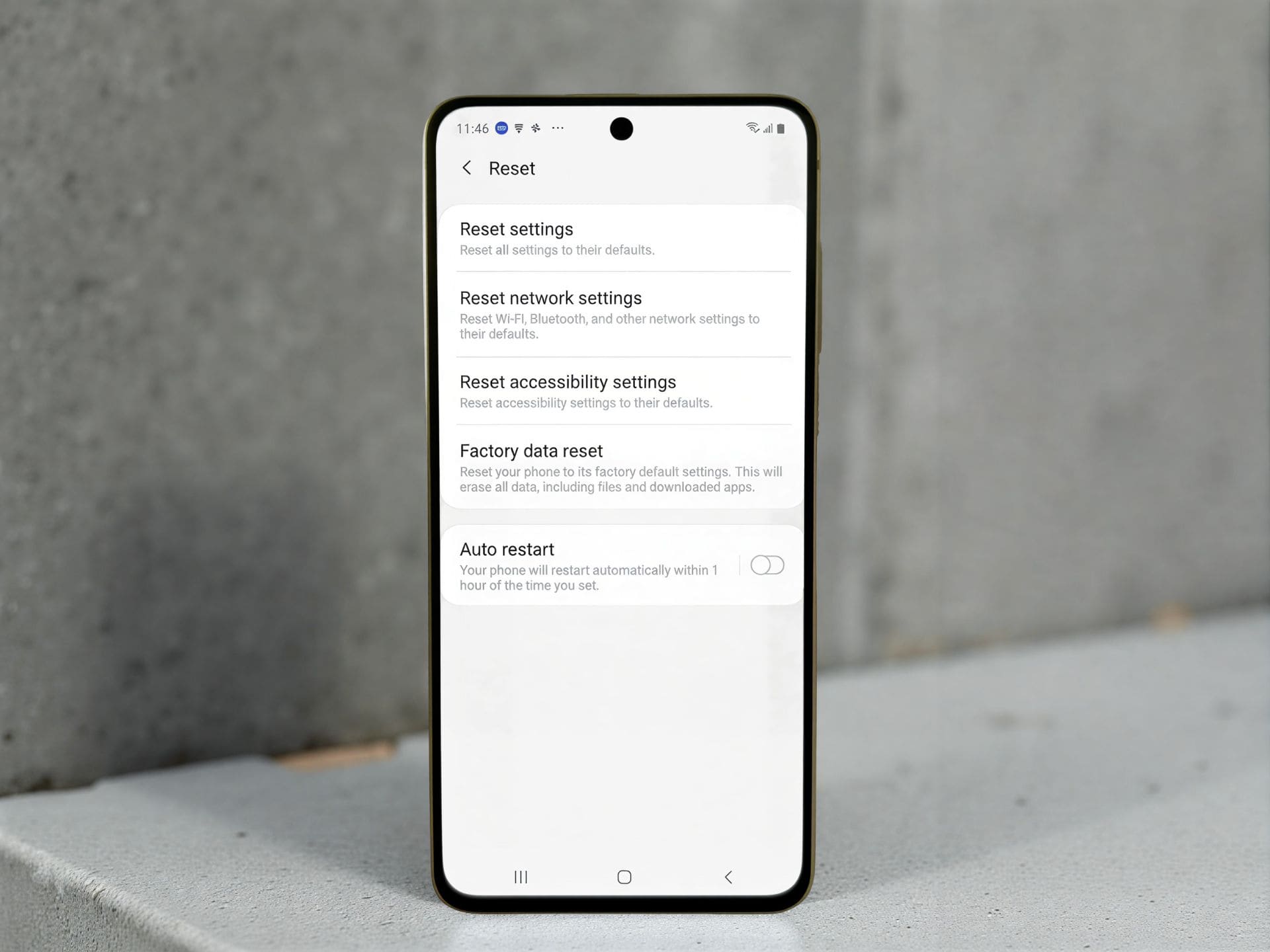
    3. Tap Reset
    4. Select Factory data reset
    5. Confirm and wait

    Using Hardware Buttons

    Used when the phone does not turn on properly.

    Steps vary by model, but usually involve:

    • Power + Volume buttons
    • Selecting reset option using volume keys

    Soft Reset vs Hard Reset: Quick Comparison

    FeatureSoft ResetHard Reset
    Deletes data❌ No✅ Yes
    Fixes minor bugs✅ Yes✅ Yes
    Fixes major software issues❌ Sometimes✅ Often
    Safe to repeat✅ Yes❌ Limited
    Time requiredFew secondsSeveral minutes

    What If Reset Does Not Fix the Problem?

    Sometimes, even after a hard reset, the phone may still:

    • Keep shutting down
    • Restart automatically
    • Not boot properly

    In such cases, the issue could be:

    • Battery health problem
    • Power IC fault
    • Software corruption requiring firmware reinstall
    • Hardware damage

    At this stage, professional diagnosis is recommended.


    Common Myths About Phone Resets

    Myth: Reset repairs hardware
    Truth: Resets only fix software issues

    Myth: Reset improves battery health
    Truth: Battery performance depends on physical condition

    Myth: Hard reset removes system updates
    Truth: Updates remain installed


    Expert Tips for Safe Phone Usage

    • Restart your phone once every few days
    • Avoid installing unknown apps
    • Keep system updates enabled
    • Do not ignore repeated shutdown issues
    • Backup data regularly

    Most phone failuressues grow worse when ignored. Early action saves time and money.


    Soft Reset or Hard Reset: Which One Should You Try First?

    Always follow this order:

    1. Soft reset
    2. Check updates and apps
    3. Hard reset (only if needed)

    Jumping directly to factory reset is unnecessary in most cases.


    Final Thoughts

    Understanding the difference between a soft reset and a hard reset helps you make the right decision at the right time. A simple restart can solve many issues, while a factory reset should be used carefully and only when needed.

    If your smartphone is turning off by itself, restarting again and again, or shutting down with full battery, resetting may help—but only if the issue is software-related.

    When in doubt, start small. Let your phone tell you what it needs.

  • All Types of Mobile Phone Locks Explained (Screen, SIM & More)

    All Types of Mobile Phone Locks Explained (Screen, SIM & More)

    Mobile phones are no longer just calling devices. They store personal photos, private chats, banking apps, work files, and sensitive data. Because of this, mobile phone locks play a critical role in protecting both the device and the data inside it.

    Many users only know about screen locks like PIN or fingerprint. But in reality, there are multiple types of locks in smartphones, each designed for a specific purpose. Some protect privacy. Some protect network contracts. Others prevent theft or misuse after a factory reset.

    “A phone lock is not just about privacy. It’s about control, ownership, and security.”

    In this guide, we will clearly explain all types of mobile phone locks, how they work, when they appear, and what users should know before trying to remove or change them.


    What Is a Mobile Phone Lock?

    A mobile phone lock is a security mechanism that restricts access to a device, its features, or its network usage. The lock may activate:

    • When the screen turns on
    • When a SIM card is inserted
    • After a factory reset
    • When EMI payments are pending
    • When the phone connects to a network

    Each lock serves a different purpose, and confusing one lock for another often leads to panic or data loss.


    Why Do Smartphones Have So Many Types of Locks?

    Modern smartphones combine software security, hardware protection, and financial safeguards. Phone manufacturers, network providers, and finance companies all add their own layers of protection.

    These locks help to:

    • Prevent unauthorized access
    • Protect stolen devices
    • Enforce carrier or finance agreements
    • Secure personal and business data

    1. PIN Code Lock

    A PIN code lock is one of the oldest and most common screen security methods used in mobile phones.

    How It Works

    • User sets a numeric code
    • The phone asks for the code when the screen wakes up
    • Usually 4 to 6 digits long

    Where It Is Used

    • Feature phones
    • Android smartphones
    • iPhones

    Pros

    • Easy to remember
    • Works offline
    • Quick to unlock

    Cons

    • Can be guessed if too simple
    • Less secure than long passwords

    Tip: Avoid using common combinations like 1234 or birth years.


    2. Password Lock

    A password lock uses letters, numbers, and symbols to secure the phone.

    How It Works

    • User creates an alphanumeric password
    • Required every time the screen unlocks or device restarts

    Where It Is Used

    • Smartphones with higher security needs
    • Business or enterprise devices

    Pros

    • Very strong security
    • Hard to brute-force

    Cons

    • Slower to unlock
    • Easy to forget

    This lock is best for users who store sensitive or professional data.

    locks of cell phones

    3. Pattern Lock

    Pattern lock is popular among Android users due to its visual simplicity.

    How It Works

    • User draws a pattern connecting dots on the screen
    • Pattern must match exactly to unlock

    Pros

    • Fast to use
    • Easy for touch navigation

    Cons

    • Pattern marks can be visible
    • Less secure if simple patterns are used

    Technician insight: Many forgotten pattern locks require data reset unless backup credentials exist.


    4. Biometric Locks (Fingerprint & Face Unlock)

    Biometric locks use physical traits instead of memorized codes.

    Common Types

    • Fingerprint sensor
    • Face recognition

    How It Works

    • Phone scans fingerprint or face
    • Matches it with stored biometric data

    Pros

    • Very fast
    • Convenient
    • Hard to duplicate

    Cons

    • Requires fallback PIN or password
    • May fail in low light or with wet fingers

    Biometrics add comfort but do not replace traditional locks completely.


    5. Smart Lock (Android Feature)

    Smart Lock is an Android-only feature that keeps the phone unlocked in trusted conditions.

    How It Works

    The phone stays unlocked when:

    • Connected to a trusted Bluetooth device
    • Located at a trusted place
    • Carried by the owner

    Pros

    • Reduces repeated unlocking
    • Improves daily usability

    Cons

    • Less secure in public places
    • Depends on sensors and location accuracy

    Smart Lock should be used carefully, not as a primary security method.


    6. SIM Lock

    A SIM lock restricts the phone to specific SIM cards.

    How It Works

    • Phone accepts only approved SIM cards
    • Other SIMs show “SIM not supported” message

    Who Applies It

    • Network providers
    • Carriers

    Why It Exists

    • To enforce network contracts
    • To prevent misuse of subsidized phones

    Important Note

    SIM lock is different from screen lock and does not protect data.


    7. Network Lock

    Network lock is similar to SIM lock but applies at a carrier level.

    How It Works

    • Phone only works on approved network bands or providers
    • Common in contract-based phones

    Seen In

    • Imported smartphones
    • Carrier-bound devices

    Removing a network lock usually requires carrier authorization.


    8. Finance Lock (EMI Lock)

    Finance lock is increasingly common in phones purchased on EMI or loan plans.

    How It Works

    • Device locks automatically if payments are missed
    • Screen may show payment reminder
    • Some features become inaccessible

    Why It Exists

    • To protect lenders from default
    • To enforce payment discipline

    Key Point

    Finance locks are legal and server-controlled. Bypassing them without clearance is not advised.


    9. Factory Reset Protection (FRP Lock)

    FRP lock is one of the most misunderstood phone locks.

    How It Works

    • Activates after factory reset
    • Requires original Google account login

    Why It Exists

    • Prevents stolen phone reuse
    • Protects user identity

    Common Scenario

    User resets phone but forgets Google credentials.

    FRP lock turns a stolen phone into a useless device.


    Difference Between Screen Locks and System Locks

    TypePurpose
    Screen LocksProtect daily access
    SIM / Network LocksControl carrier usage
    Finance LocksEnforce EMI payments
    FRP LockPrevent theft after reset

    Understanding this difference helps users avoid unnecessary panic.


    Common Myths About Mobile Phone Locks

    • Resetting removes all locks
    • SIM lock protects data
    • Finance lock is same as FRP
    • Biometrics work without PIN

    Locks serve specific roles and cannot replace one another.


    When Should You Contact a Professional?

    Seek expert help when:

    • FRP lock credentials are lost
    • Finance lock appears unexpectedly
    • Network lock prevents SIM usage
    • Data is critical

    Attempting random fixes may cause permanent data loss.


    Best Practices for Managing Phone Locks

    • Always remember backup credentials
    • Keep Google or Apple account details safe
    • Avoid unknown unlocking tools
    • Understand your phone’s purchase terms

    FAQs – Mobile Phone Locks (Quick Guide)

    What is the most common phone lock?

    Screen lock like PIN, pattern, fingerprint, or face unlock.


    Is SIM lock same as network lock?

    No. SIM lock limits SIM cards. Network lock limits carriers.


    Does factory reset remove all locks?

    No. It removes screen lock only. FRP and finance locks remain.


    Why does FRP lock appear?

    To stop misuse. It asks for the previous Google account after reset.


    What if I forget my screen lock?

    You may need to reset the phone. Data can be lost and FRP may appear.


    Is finance lock legal?

    Yes. It activates when EMI payments are missed.


    Does fingerprint work without PIN?

    No. A PIN or password is always required as backup.


    Is Smart Lock safe?

    It’s convenient but not fully secure alone.


    Can technicians remove FRP?

    Only with valid ownership proof.


    How to know which lock is active?

    Check the screen message:

    • PIN → Screen lock
    • Google ID → FRP
    • No network → SIM/Network lock

    Does SIM lock affect Wi-Fi?

    No. Only mobile network is restricted.


    Are Android and iPhone locks different?

    Yes. Android uses FRP, iPhone uses Apple ID Activation Lock.


    Final Thoughts

    Mobile phone locks are not meant to frustrate users. They exist to protect ownership, data, and agreements. Once users understand which lock they are dealing with, solutions become much clearer.

    “A secure phone is not about more locks. It’s about the right lock at the right time.”

    By knowing the difference between screen locks, SIM restrictions, finance locks, and system protections, users can make smarter decisions and avoid costly mistakes.

  • How to Backup and Restore an Android Phone Step by Step

    How to Backup and Restore an Android Phone Step by Step

    A Standard Operating Guide for Safe Data Handling

    “A careful approach to data comes before any technical work.”

    Android phones today carry critical personal and professional information. Contacts, photos, videos, documents, app data, and account credentials are deeply integrated into the device. Any reset, software operation, or system failure can result in permanent data loss if precautions are not taken.

    That is why learning how to properly back up and restore an Android device is not optional anymore. It is a basic digital habit every user should follow, whether you use a budget Android phone or a premium smartphone.

    Learn how to backup and restore an Android phone step by step. Protect contacts, photos, apps, and data with safe, simple, and reliable methods.


    “Your phone can be replaced. Your data often can’t.”

    This guide outlines a structured and reliable process for backing up and restoring Android devices. It explains everything you need to know, in simple language, without technical confusion.


    Purpose of These Instructions

    • Prevent accidental data loss
    • Avoid account lock issues
    • Ensure smooth device setup after reset
    • Maintain clarity and consistency in data handling

    This guide focuses on correct sequence and verification, not shortcuts.


    Step 1: Initial Device Assessment

    Before any reset, update, or troubleshooting:

    Confirm:

    • A Google account is signed in
    • Backup options are accessible
    • Internet connection is available
    • Battery level is sufficient

    If any of these are missing, do not proceed.


    Step 2: Check Backup Status

    Never assume backup is active.

    How to Verify Backup

    1. Open Settings
    2. Go to Google
    3. Tap Backup
    4. Confirm:
      • Backup is ON
      • Recent backup date is visible

    If the backup date is old or missing, data is not protected.


    Step 3: Understand What the Backup Includes

    Android system backup usually covers:

    • Contacts synced to Google
    • Call history
    • Installed apps list
    • Supported app data
    • Device preferences

    Photos, videos, and chat apps require separate attention.

    android phone backup and restore

    Step 4: Perform a Manual Backup

    Even if automatic backup is enabled, run it manually.

    Manual Backup Steps

    1. Go to Settings → Google → Backup
    2. Tap Back up now
    3. Wait for completion

    Use Wi-Fi and avoid interruptions.


    Step 5: Secure Photos and Videos

    Media files are often the most sensitive data.

    Using Google Photos

    1. Open Google Photos
    2. Tap profile icon
    3. Go to Photos settings
    4. Enable Backup
    5. Wait until sync completes

    Scroll through older images to confirm upload.


    Step 6: Backup Messaging Apps Separately

    Messaging apps do not always rely on system backup.

    Example: WhatsApp

    1. Open WhatsApp
    2. Go to Settings → Chats → Chat backup
    3. Select Google account
    4. Tap Back up

    Important notes:

    • Same Google account required for restore
    • Same phone number required

    “A backup made today prevents panic tomorrow.”


    Step 7: Manual File Backup (Offline Option)

    When cloud backup is slow or unavailable:

    Manual Backup Process

    1. Connect phone to computer via USB
    2. Select File Transfer
    3. Copy folders:
      • DCIM
      • Pictures
      • Videos
      • Documents
      • Downloads
    4. Store them in a clearly labeled folder

    This method adds an extra safety layer.


    Step 8: Pre-Reset / Pre-Operation Checklist

    Before performing any reset or software change:

    ✔ Google backup completed
    ✔ Photos synced
    ✔ Messaging app backup done
    ✔ Contacts synced
    ✔ Important files copied

    Skipping this checklist leads to most data-loss problems.


    “Data safety is a process, not a feature.”


    Step 9: Restoring Data After Reset

    Restore begins during the initial setup of the device.

    When Restore Option Appears

    • After factory reset
    • After system reinstall
    • On first startup of a new device

    Step 10: Restore Using Google Account

    Restore Procedure

    1. Power on the device
    2. Choose language
    3. Connect to Wi-Fi
    4. Sign in with the same Google account
    5. Select Restore from backup
    6. Choose the latest available backup

    Apps and settings restore in the background.


    Step 11: What Restores Automatically

    Usually Restored

    • Contacts
    • Call logs
    • Installed apps
    • System settings

    Not Always Restored

    • Local files not synced
    • Some app data
    • Messaging app chats (unless separately backed up)

    This behavior is normal.


    Step 12: Restoring Photos and Files

    • Google Photos restores media automatically once signed in
    • Manual files must be copied back to original folders

    Ensure folder names remain unchanged.


    Step 13: FRP Lock Awareness

    After reset, the device may ask for:

    • Previously used Google account
    • Correct account password

    This is Factory Reset Protection and is a security feature.

    Without correct credentials, setup cannot continue.


    Step 14: Common Problems and Their Causes

    Backup Not Showing

    • Wrong Google account used
    • Backup never completed
    • Backup deleted or overwritten

    Restore Freezing or Slow

    • Weak internet connection
    • Background app downloads
    • Interrupted setup

    Patience and stable Wi-Fi solve most cases.


    Step 15: Best Practices for Safe Data Handling

    • Enable automatic backups
    • Verify backup regularly
    • Use both cloud and offline methods
    • Backup before updates or reset
    • Secure Google account credentials

    These habits eliminate most risks.


    Data Safety and Security Notes

    • Google backups are encrypted
    • Access requires account login
    • Two-step verification adds protection

    Avoid unknown third-party backup tools.


    Common Misunderstandings to Avoid

    • ❌ “Data stays after reset”
    • ❌ “Photos are always safe”
    • ❌ “Backup happens automatically”
    • ❌ “Backup is complicated”

    Backup is simple when done correctly.

    Official Android Apps That Help Restore Data Across Brands

    Many smartphone brands offer official data transfer and restore apps. These apps are designed to move data from any Android phone, not just the same brand. They are safe, trusted, and supported by the manufacturer.

    Below are the most reliable options.


    Samsung Smart Switch

    Brand: Samsung
    What it does:
    Helps transfer contacts, photos, videos, messages, call logs, apps, and settings from any Android phone or even iPhone to a Samsung device.

    Works with:
    Android, iPhone, Windows, macOS

    Play Store link:
    https://play.google.com/store/apps/details?id=com.sec.android.easyMover


    Mi Mover

    Brand: Xiaomi (Mi, Redmi, Poco)
    What it does:
    Allows fast wireless transfer of data from other Android phones to Xiaomi devices without internet. Supports photos, videos, contacts, apps, and files.

    Works with:
    Android phones of all brands

    Play Store link:
    https://play.google.com/store/apps/details?id=com.miui.huanji


    Clone Phone

    Brand: OPPO
    What it does:
    Transfers data like contacts, photos, videos, apps, and system data from any Android phone to OPPO devices using a direct Wi-Fi connection.

    Works with:
    Android phones (cross-brand)

    Play Store link:
    https://play.google.com/store/apps/details?id=com.coloros.backuprestore


    Easy Share

    Brand: Vivo
    What it does:
    Helps move data such as contacts, messages, media, apps, and documents from any Android phone to Vivo devices quickly and securely.

    Works with:
    Android phones of all brands

    Play Store link:
    https://play.google.com/store/apps/details?id=com.vivo.easyshare


    Phone Clone

    Brand: Huawei
    What it does:
    Copies contacts, photos, videos, messages, apps, and system data from Android or iPhone to Huawei phones without using mobile data.

    Works with:
    Android and iOS devices

    Play Store link:
    https://play.google.com/store/apps/details?id=com.hicloud.android.clone


    OnePlus Clone Phone

    Brand: OnePlus
    What it does:
    Transfers data from any Android phone to OnePlus devices, including media, contacts, call logs, and apps.

    Works with:
    Android phones (all brands)

    Play Store link:
    https://play.google.com/store/apps/details?id=com.oneplus.backuprestore

    Realme Clone Phone

    Brand: Realme
    What it does:
    Transfers contacts, photos, videos, apps, messages, and files from any Android phone to a Realme device. Uses a direct wireless connection, no internet needed.

    Works with:
    Android phones of all brands

    Play Store link:
    https://play.google.com/store/apps/details?id=com.coloros.backuprestore

    (Note: Realme uses the same core app framework as OPPO for data transfer.)


    Motorola Migrate / Motorola Data Restore

    Brand: Motorola
    What it does:
    Motorola phones now rely mainly on Google’s built-in restore system, but older and some current models support Motorola’s own data restore tools during setup. These allow restoring contacts, apps, call logs, and media from another Android device.

    Works with:
    Android phones (via Google backup or cable-based transfer)

    Play Store link (Motorola Data Restore):
    https://play.google.com/store/apps/details?id=com.motorola.migrate


    Important Notes About These Apps

    • These are official apps, not third-party tools
    • Most apps work across brands, not limited to the same manufacturer
    • Internet is usually not required
    • Both phones should be charged and close to each other
    • Data transfer speed depends on file size and device condition

    Always install these apps only from the Google Play Store.

    Backup Tips for Technicians and Repair Shops

    • Always inform customers about data loss
    • Ask if backup exists before repair
    • Avoid responsibility disputes
    • Encourage customers to sign backup consent

    This builds trust and professionalism.


    Final Summary

    Handling Android phones responsibly means prioritizing data before any technical action. Backup and restore are not advanced tasks. They are essential steps that prevent irreversible loss.

    Following a structured process ensures:

    • Smooth device transitions
    • Fewer account issues
    • No unexpected data loss

    A few minutes of preparation saves hours of recovery.

  • How to Check a Mobile Phone Ear Speaker (Receiver)

    How to Check a Mobile Phone Ear Speaker (Receiver)

    IWhen a customer says, “I can hear on loudspeaker but not during calls,” the problem often points to the ear speaker, also known as the receiver.
    This is one of the most common audio complaints in smartphones, Android devices, and iPhones.

    Fixing it is not about guessing.
    It is about systematic checking.

    “Good repair work is not about speed. It’s about knowing exactly where to look.”

    This guide explains how to check a mobile phone ear speaker step by step, using practical methods that technicians rely on daily.
    Whether you work on Android phones, iPhones, or feature phones, the logic remains the same.


    What Is an Ear Speaker (Receiver) in a Mobile Phone?

    The ear speaker is the small internal speaker placed near the top of a phone.
    It allows users to hear the caller’s voice during normal calls, without enabling loudspeaker mode.

    Other Common Names Used by Technicians

    • Receiver
    • Call speaker
    • Top speaker
    • In-call speaker
    • Voice speaker

    Do not confuse it with:

    • Loudspeaker (bottom speaker)
    • Ringtone speaker
    • Media speaker

    Each one has a different circuit path.

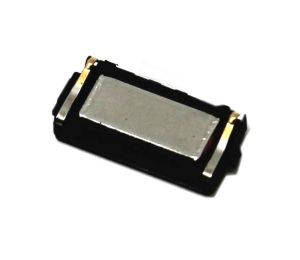
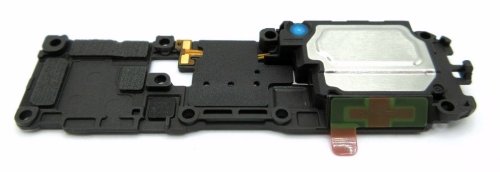
    A sample ear speaker

    Common Symptoms of a Faulty Ear Speaker

    Before opening a device, always understand the complaint clearly. If you do not hear phone speaker sounds during calls and just hear music and multimedia sound, then it means your phone receiver (ear speaker) is not working.

    Typical Problems Reported

    • No sound during calls
    • Very low voice while calling
    • Sound works only on loudspeaker
    • Distorted or crackling voice
    • Intermittent sound when pressing the top area
    • Sound disappears after water exposure
    • Works with headphones but not directly

    If the loudspeaker works but the ear speaker does not, the issue is localized, not system-wide.


    Tools Required to Check an Ear Speaker

    A technician does not need advanced equipment for initial diagnosis.

    Basic Tools

    • Known-good SIM card
    • Working earphones
    • Soft brush
    • Isopropyl alcohol (IPA)
    • Screwdrivers
    • Multimeter (continuity and resistance mode)

    Optional Advanced Tools

    • DC power supply
    • Service box or diagnostic app
    • Schematic or block diagram (if available)

    Here is a list of essential and basic cell phone repair tools all beginner technicians shoul have.


    Step 1: Basic Call Test (Most Important First Step)

    Always begin with non-invasive testing.

    How to Perform

    1. Insert a working SIM card.
    2. Make a normal voice call.
    3. Do not enable loudspeaker.
    4. Increase call volume using volume keys.
    5. Place the phone close to your ear.

    What to Observe

    • Clear sound → Ear speaker is fine
    • Low sound → Mesh blockage or weak receiver
    • No sound → Continue diagnosis

    Never open a phone before confirming the issue through a call test.


    Step 2: Check Using Loudspeaker Comparison

    This step helps isolate the problem.

    Method

    • During the same call, enable loudspeaker.
    • If loudspeaker audio is clear:
      • Microphone and network are working
      • Audio codec is likely fine
      • Problem is receiver-side

    If both ear speaker and loudspeaker fail, the issue may be:

    • Audio IC
    • Software
    • Network
    • Call settings

    Step 3: Test with Headphones or Earphones

    This is a fast and reliable check.

    Results Interpretation

    • Sound works with earphones → Receiver or path issue
    • Sound does not work → Deeper audio problem

    If sound switches correctly when earphones are plugged in, the phone’s audio routing is functioning.


    Step 4: Check Call Settings and Software Audio Paths

    Many phones today have software-level audio controls.

    Things to Check

    • Call volume set to maximum
    • Accessibility settings (mono audio, hearing aid mode)
    • Call recording apps interfering
    • Bluetooth disconnected
    • Safe mode test (Android)

    Restart the device once before proceeding.

    A simple restart solves more problems than most people expect.


    Step 5: Visual Inspection and Cleaning

    Dust and sweat are silent killers of ear speakers.

    Cleaning Method

    1. Power off the phone.
    2. Remove top mesh or grill (if accessible).
    3. Use a soft brush.
    4. Lightly clean with IPA.
    5. Let it dry fully.

    Many “dead receivers” come back to life after cleaning.


    Step 6: Swap Test with a Known-Good Receiver

    This is a technician’s shortcut.

    How It Helps

    • If replacement receiver works → Original is faulty
    • If replacement also fails → Path or board issue

    Always test with:

    • Same model
    • Same impedance rating

    Step 7: Multimeter Test (Receiver Resistance Check)

    This step confirms whether the ear speaker coil is open.

    Typical Resistance Values

    • Usually between 25Ω and 60Ω
    • Depends on model

    Procedure

    1. Remove the ear speaker.
    2. Set multimeter to resistance (Ω).
    3. Touch probes to speaker terminals.

    Readings

    • Normal resistance → Speaker is electrically fine
    • No reading / infinite → Coil open, replace speaker
    • Zero resistance → Shorted speaker

    This test is reliable and fast.


    Step 8: Check Receiver Line Continuity on PCB

    If the receiver is fine, check the signal path.

    What to Check

    • Receiver connector pins
    • Audio line continuity
    • Ground path
    • Series resistors
    • EMI filters

    Use continuity mode on a multimeter.

    Broken tracks often occur after:

    • Drops
    • Water damage
    • Poor previous repairs

    Step 9: Check Audio IC and Power Supply (Advanced)

    This is required only if:

    • Receiver is good
    • Tracks are fine
    • Software is ruled out

    Indicators of Audio IC Issues

    • No sound in any mode
    • Heating near codec IC
    • Sound works only sometimes
    • Crackling across outputs

    At this stage, experience matters more than tools.


    Step 10: Water Damage Considerations

    Water damage affects ear speakers first.

    Signs

    • Green corrosion near receiver pads
    • Rust on connector
    • White residue

    Action

    • Clean PCB properly
    • Check under microscope if available
    • Replace receiver even if it looks fine

    Water damage is never just “dry and done.”


    Common Mistakes Technicians Make

    Avoid these errors:

    • Replacing receiver without testing
    • Ignoring software settings
    • Not checking ear mesh
    • Skipping continuity checks
    • Overheating near audio IC

    Good repair is about logic, not shortcuts.


    Ear Speaker vs Loudspeaker: Quick Comparison

    FeatureEar SpeakerLoudspeaker
    Used forCallsMedia, ringtone
    LocationTopBottom
    PowerLowHigh
    Common faultDust, coil openDistortion

    When to Replace vs Repair

    Replace Receiver If

    • Coil is open
    • Sound is distorted
    • Volume is permanently low

    Repair Path If

    • Connector is loose
    • Track is broken
    • Pad is damaged

    Practical Technician Tips

    • Always keep tested receivers in stock
    • Label removed parts
    • Avoid touching receiver diaphragm
    • Never blow air directly into mesh
    • Test before full reassembly

    “A repair is only complete after final testing.”


    Final Checklist Before Returning the Phone

    ✔ Call test completed
    ✔ Volume stable
    ✔ No distortion
    ✔ Proximity sensor working
    ✔ No loose connections


    Conclusion

    Checking a mobile phone ear speaker is not guesswork.
    It is a step-by-step diagnostic process that saves time, parts, and reputation.

    By following the methods explained above, technicians can:

    • Identify faults accurately
    • Avoid unnecessary replacements
    • Deliver consistent results

    A phone may be small, but precision matters.

  • How to Check Cell Phone Mic (Microphone) Like a Technician

    How to Check Cell Phone Mic (Microphone) Like a Technician

    A phone microphone looks like a small, simple part. But in real-world repair work, it is one of the most common complaint points. Customers report issues like low voice, no sound during calls, voice notes not recording, or videos capturing silence.

    For a repair technician, guessing is not an option. A proper microphone check helps you decide whether the problem is software-based, dirt-related, flex damage, IC-level, or board-related.

    “A good technician never replaces parts first. He diagnoses first.”

    This guide is written for repair technicians, trainees, and serious learners who want to check a mobile phone microphone professionally, not casually. The methods explained here are used in real repair shops on Android phones, iPhones, and modern smartphones.


    Understanding the Microphone System in Smartphones

    Before testing, you must understand what you are testing.

    How Many Microphones Does a Phone Have?

    Most modern devices have multiple microphones, not just one.

    • Primary microphone
      Used during normal calls and voice recordings.
    • Secondary microphone
      Used for noise cancellation during calls.
    • Tertiary microphone (in some models)
      Used for video recording, speaker mode, or voice assistants.

    A phone can appear to have a “mic problem” even if only one mic is faulty.

    Common Microphone Locations

    • Bottom side near charging port
    • Top side near headphone jack or camera
    • Rear camera area
    • Side frame (on some models)

    Knowing mic placement helps in accurate diagnosis.


    Common Symptoms of Phone Microphone Problems

    A technician should first listen to the complaint carefully. Different symptoms point to different faults.

    Typical Mic-Related Complaints

    • Other person cannot hear during calls
    • Voice recording sounds very low or muffled
    • Voice notes not recording
    • Video recording has no sound
    • Speakerphone works but normal call doesn’t
    • Google Assistant or Siri can’t hear commands

    Each symptom requires a different testing approach.


    Step 1: Initial Visual Inspection (Technician Habit)

    Never start with apps or software tests. Start with your eyes.

    What to Check First

    • Dust or lint blocking the mic hole
    • Corrosion near mic area
    • Liquid damage indicators
    • Bent frame blocking mic path
    • Poor-quality back covers or cases

    Many microphone problems are simply caused by blockage, not failure.

    Clean gently using:

    • Soft brush
    • Isopropyl alcohol (if needed)
    • Compressed air (carefully)

    Step 2: Basic Voice Recording Test (Controlled Method)

    This test checks the primary microphone.

    How Technicians Perform This Test

    1. Open the default voice recorder
    2. Speak clearly from normal distance
    3. Record for 10–15 seconds
    4. Play back using earphones and speaker

    What to Observe

    • Clear voice → mic likely working
    • Very low sound → partial blockage or weak mic
    • Distorted sound → moisture or mic damage
    • No sound → mic line or IC issue

    Repeat the test while slightly tapping near the mic area. A reaction confirms mic connectivity.


    Step 3: Call Testing (Network-Independent Method)

    A phone call tests mic behavior under real conditions.

    Technician-Level Call Test

    • Call another phone
    • Speak normally
    • Switch between:
      • Normal mode
      • Speaker mode
      • Wired earphones
      • Bluetooth (if available)

    Diagnosis Clues

    • Mic works on speaker but not normal call → primary mic issue
    • Works with headset but not phone → phone mic hardware issue
    • Works intermittently → flex or solder issue

    This test helps separate mic fault from audio routing issues.


    Step 4: Hidden Hardware Test Menus (Professional Shortcut)

    Many Android phones have built-in diagnostic menus.

    Example Test Codes (May Vary by Brand)

    • ##4636##
    • ##6484##
    • #0#
    • *#0243#

    Inside these menus, technicians can:

    • Test each microphone individually
    • Check audio input levels
    • Identify dead or weak mics

    This is one of the fastest technician-level checks.

    For iPhones, diagnostics are usually done via:

    • Voice memos
    • Call tests
    • Service diagnostic tools (at center level)

    Step 5: Video Recording Test (Secondary Mic Check)

    Video recording uses different microphones depending on mode.

    How to Test Properly

    • Record video using:
      • Front camera
      • Rear camera
    • Speak while covering one mic at a time

    Interpretation

    • Sound missing only in video → secondary mic issue
    • Rear camera video silent → top mic problem
    • Front camera video silent → front mic path issue

    This method helps pinpoint which microphone is faulty.


    Step 6: Noise Cancellation Test (Advanced Diagnosis)

    Noise cancellation relies on secondary microphones.

    Technician Test Method

    1. Make a call
    2. Cover the top mic
    3. Speak and observe sound clarity

    If voice becomes unclear or drops, the noise-cancellation mic may be defective or misconfigured.

    Improper noise cancellation often feels like a “mic problem” to customers.


    Step 7: Software-Level Checks (Before Opening Phone)

    A professional technician always rules out software causes.

    Important Software Checks

    • App microphone permissions
    • System sound settings
    • Do Not Disturb mode
    • Third-party recording apps
    • Safe mode testing
    • System updates or recent app installs

    Sometimes a single permission change fixes the issue.


    Step 8: Charging Port and Mic Flex Inspection

    On many smartphones, the microphone is connected via the charging port flex cable.

    Technician Observations

    • Replaced charging port recently?
    • Local duplicate flex installed?
    • Mic contacts dirty or loose?

    Low-quality flex cables are a major cause of mic complaints after repairs.


    Step 9: Multimeter and Continuity Testing (Hardware-Level)

    This step is for trained technicians.

    What to Test

    • Mic line continuity
    • Ground connection
    • Short to ground
    • Flex-to-board signal flow

    Use circuit diagrams when available.
    A broken line often mimics a dead microphone.


    Step 10: Audio IC and Board-Level Diagnosis

    If everything else passes, suspect audio IC or logic board damage.

    Indicators of IC-Level Mic Fault

    • Multiple mics not working
    • Random audio issues
    • Heating near audio IC
    • History of liquid damage

    This stage requires:

    • Microsoldering skills
    • Schematics
    • Experience

    “Replacing a microphone is easy. Fixing an audio IC takes skill.”

    Can a Phone Microphone Be Checked Using a Multimeter?

    This is a very common doubt among mobile repair technicians, especially those who learned repair work during the feature-phone and early smartphone era.

    The short and honest answer is:
    It depends on the type of microphone used in the phone.

    There are 2 types of microphones in cell phones

    1. Universal mic used in older smartphones and keypad phones
    2. Latest sensor (Digital) mic used in today’s smartphones.
    types of cell phone microphones

    Multimeter Testing for Older Analog Microphones

    Earlier mobile phones and some early smartphones used analog electret condenser microphones. These microphones could be checked using a basic multimeter test.

    The commonly used method was:

    • Set the multimeter to 20kΩ (resistance mode)
    • Connect the probes to the microphone terminals
    • Gently blow air into the microphone hole

    If the resistance value on the multimeter changed while blowing air, it indicated that the diaphragm was responding to sound pressure and the microphone was likely working.
    If there was no change in reading, the microphone was considered faulty.

    This method worked because analog microphones generate small electrical variations when sound moves the diaphragm.

    However, it is important to understand that this test only confirmed basic diaphragm movement. It did not guarantee sound clarity, noise performance, or real-world call quality.


    Why Multimeter Testing Does Not Work on Modern Smartphone Microphones

    Modern smartphones use digital MEMS (sensor-based) microphones, not analog microphones.

    These microphones:

    • Do not operate on resistance-based output
    • Communicate using digital data signals
    • Require power supply, clock, and data lines
    • Do not show meaningful resistance changes on a multimeter

    Because of this, digital smartphone microphones cannot be tested directly using a multimeter. Even a perfectly working microphone may show no change or misleading readings.

    Using resistance testing on MEMS microphones can result in incorrect diagnosis and unnecessary part replacement.


    How Technicians Confirm Digital Microphone Faults

    For digital microphones used in smartphones today, the only reliable confirmation method is functional testing, not electrical resistance testing.

    Technicians confirm microphone failure by:

    • Voice recording tests
    • Call and speaker mode testing
    • Video recording checks
    • Built-in hardware diagnostic menus (where available)
    • Replacing or swapping the microphone with a known-good part

    If the replacement microphone works correctly in the same phone, it confirms that the original microphone was faulty.
    If the issue remains even after replacement, the fault is usually related to:

    • Microphone flex cable
    • Power or data line issue
    • Audio IC
    • Logic board or motherboard damage

    Common Technician Mistakes to Avoid

    Even experienced technicians sometimes misdiagnose mic issues.

    Avoid These Errors

    • Replacing mic without testing
    • Ignoring secondary microphones
    • Using low-quality replacement parts
    • Skipping software checks
    • Not cleaning mic path properly

    Good diagnosis saves time, money, and reputation.


    Real-World Repair Scenario

    A customer complains: “My voice is not clear on calls.”

    • Voice recorder works fine
    • Video recording works
    • Only normal call has issue

    Diagnosis:

    • Noise cancellation mic faulty
    • Not primary mic

    Solution:

    • Replace top mic flex or disable noise cancellation (temporary)

    This is why technician-level testing matters.


    Tools Every Technician Should Have for Mic Testing

    • Good earphones
    • Soft brush and IPA
    • Multimeter
    • Known-good flex cables
    • Diagnostic apps (offline)
    • Strong lighting and magnifier

    Tools don’t replace skill, but they support accuracy.


    When to Replace the Microphone

    Replace the mic only when:

    • All software tests fail
    • Cleaning doesn’t help
    • Flex cable confirmed good
    • Continuity verified
    • Mic input shows no response

    Always use quality replacement parts.


    Building Trust With Proper Diagnosis

    Customers may not understand microphone technology, but they understand honesty.

    Explain:

    • What you tested
    • What failed
    • Why replacement is needed

    This builds long-term trust and repeat business.


    Final Thoughts: Think Like a Technician

    Checking a phone microphone is not about pressing record once. It’s about systematic elimination, understanding audio paths, and using experience.

    “Diagnosis is the difference between a parts changer and a technician.”

    Master these methods, and microphone issues will no longer confuse you.


    Simple Summary

    • Smartphones have multiple microphones
    • Always start with inspection and cleaning
    • Test calls, recordings, and videos
    • Use diagnostic menus when available
    • Rule out software before hardware
    • Replace parts only after confirmation

    A structured approach saves time and builds expertise.

  • How to Check Ringer (Loud Speaker) of Mobile Phone

    How to Check Ringer (Loud Speaker) of Mobile Phone

    A mobile phone that does not ring properly is more than a small inconvenience. For users, it means missed calls and alerts. For a repair technician, it is a common and important fault to diagnose correctly. Whether you are a beginner learning mobile repairing or an experienced technician handling smartphones daily, understanding how to test a mobile phone ringer is a must-have skill.

    The ringer plays a key role in call alerts, notifications, music, videos, and system sounds. A fault here can be hardware-related, software-related, or even due to simple settings issues. Jumping straight to replacement without proper testing often leads to wasted time and money.

    This guide explains how to check the ringer of a mobile phone step by step, using both basic and advanced technician methods, including multimeter testing. The focus is on clarity, accuracy, and real workshop experience, not guesswork.

    “Good technicians don’t replace parts first. They test, confirm, and then repair.”
    That mindset saves devices, builds trust, and improves your success rate.


    What Is a Ringer in a Mobile Phone?

    In mobile phones, the ringer is the component responsible for producing loud sound output. It is used for incoming calls, notification alerts, alarms, music playback, videos, and system tones.

    A ringer is commonly known by many names in the mobile repairing field, such as:

    • Speaker
    • Loud speaker
    • Buzzer
    • Ring speaker
    • Music speaker
    • Main speaker
    • Speaker module
    a sample ringer (loud speaker) spare part of a mobile phone

    All these terms generally refer to the same output unit used for high-volume sound. Earpiece speakers are different and should not be confused with the ringer.

    Understanding terminology is important because customers, spare part suppliers, and service manuals may use different names for the same component.


    Common Symptoms of Ringer Problems

    Before testing, observe the complaint carefully. Ringer issues usually appear in the following ways:

    • No sound during incoming calls
    • Very low volume even at maximum level
    • Distorted or crackling sound
    • Sound works only on earphones or Bluetooth
    • Sound works sometimes and fails sometimes
    • Ringer works for music but not for calls or notifications

    Each symptom points to a different possible cause. Correct diagnosis begins with understanding these signs.


    Tools Required to Check Mobile Phone Ringer

    For proper testing, a technician should have the following basic tools:

    • Known good ringer (for cross-testing)
    • Multimeter (digital preferred)
    • DC power supply (optional, for advanced testing)
    • Screwdrivers and opening tools
    • Cleaning brush and isopropyl alcohol
    • Service test codes or diagnostic menu access

    You do not need all tools for every job, but a multimeter is essential for professional diagnosis.


    Step 1: Check Sound and Settings (Basic but Critical)

    Many phones are repaired unnecessarily because basic checks are skipped.

    Start with these simple steps:

    • Increase volume to maximum
    • Check silent mode and vibration mode
    • Disable Do Not Disturb
    • Check accessibility sound settings
    • Test ringtone, alarm, and media sound separately

    On Android devices, media volume, call volume, and notification volume are often independent. On iPhones, ringer and alert volume may be linked to buttons or settings.

    Always confirm that the issue is not software or settings-related before opening the phone.


    Step 2: Test Using Service or Diagnostic Mode

    Most smartphones have built-in hardware test menus.

    Android Phones

    Technicians often use dialer codes like:

    • #0# (works on many Samsung devices)
    • OEM-specific diagnostic menus

    From here, you can directly test the loud speaker without opening any app.

    iPhone

    Apple devices use internal diagnostics accessed via software tools or service modes. For basic testing:

    • Play system sounds
    • Use voice memos or music playback
    • Test alerts and ringtones

    If sound fails in diagnostic mode, the issue is likely hardware-related.


    Step 3: Physical Inspection of the Ringer Area

    Before electrical testing, inspect the hardware physically.

    Check for:

    • Dust or lint blocking speaker grill
    • Water or moisture residue
    • Rust or corrosion near speaker contacts
    • Torn or punctured speaker membrane
    • Loose or misaligned speaker module

    Many low-sound issues are caused by dirt buildup, not speaker failure.

    Clean the speaker grill carefully using a brush and alcohol. Never use sharp objects that can damage the membrane.


    Step 4: Cross-Test with a Known Working Speaker

    This is one of the fastest technician methods.

    Steps:

    1. Remove the existing ringer.
    2. Connect a known good speaker temporarily.
    3. Play ringtone or music.

    If sound is clear:

    • Original speaker is faulty.

    If sound is still missing:

    • Problem lies in circuit, connector, or software.

    This method saves time and avoids unnecessary board work.


    Step 5: How to Check Mobile Phone Ringer Using a Multimeter

    This is the most important section for technicians.

    A multimeter helps confirm whether the speaker coil is open, shorted, or healthy.

    Understanding Speaker Basics

    Mobile phone ringers are usually:

    • Low-resistance speakers
    • Typically between 4Ω to 8Ω

    If resistance is abnormal, the speaker is faulty.


    Method 1: Resistance (Ohms) Test

    Steps:

    1. Set multimeter to resistance (Ω) mode.
    2. Touch probes to the speaker terminals.
    3. Observe the reading.

    Expected results:

    • 4Ω–8Ω → Speaker likely OK
    • OL or infinite → Coil open (speaker dead)
    • 0Ω or very low → Shorted coil (speaker faulty)

    This is the most reliable and safe test.


    Method 2: Continuity Test (Basic Check)

    Steps:

    1. Set multimeter to continuity mode.
    2. Place probes on speaker terminals.

    Results:

    • Beep sound → Coil continuity present
    • No beep → Coil broken

    Continuity alone does not confirm sound quality, but it confirms whether the speaker is completely dead.


    Important Multimeter Safety Tip

    Do not use voltage or current modes directly on speaker terminals.
    Always use resistance or continuity mode only.

    Incorrect testing can damage the speaker or the multimeter.


    Step 6: Checking Ringer Line on the PCB (Advanced Level)

    If the speaker tests fine, move to board-level diagnosis.

    Check:

    • Speaker connector solder joints
    • Speaker line continuity from IC to connector
    • Presence of audio signal using oscilloscope (advanced)
    • Audio IC output condition

    Use schematic or boardview if available. In many smartphones, audio output IC failure is rare but possible, especially after water damage.


    Software vs Hardware Ringer Issues

    Understanding the difference is crucial.

    Software-Related Causes

    • Corrupted system files
    • Faulty updates
    • Third-party sound control apps
    • Custom ROM bugs

    Solutions:

    • Safe mode testing
    • Cache reset
    • Software restore or flashing

    Hardware-Related Causes

    • Speaker coil damage
    • Water damage
    • Connector faults
    • Audio IC failure

    Solutions:

    • Cleaning
    • Replacement
    • Board repair

    Never assume software or hardware without testing.


    Common Technician Mistakes to Avoid

    Even experienced technicians make these errors:

    • Replacing speaker without testing
    • Ignoring basic settings check
    • Not cleaning speaker grill
    • Using low-quality replacement speakers
    • Skipping multimeter testing

    Diagnosis first, replacement second.


    Choosing the Right Replacement Speaker

    If replacement is needed:

    • Match exact model and size
    • Avoid cheap aftermarket parts
    • Check sound quality before final assembly
    • Secure proper contact alignment

    A low-quality ringer can cause distortion and customer complaints even if it works.


    Special Notes for iPhone Ringer Testing

    iPhone speakers are integrated into modules with antenna or flex connections.

    Keep in mind:

    • Improper fitting affects sound
    • Missing screws reduce volume
    • Dust mesh alignment matters

    Testing with original-quality parts is strongly recommended.


    Real Workshop Insight

    In daily repair work, more than half of “dead ringer” cases are caused by dust blockage, misalignment, or settings issues. Only a portion actually need speaker replacement.

    “Repairing smartly is not about speed. It is about accuracy.”

    This approach builds long-term customer trust and professional confidence.


    Summary: Best Way to Check Mobile Phone Ringer

    To correctly check the ringer of a mobile phone:

    1. Verify sound settings and modes
    2. Test via diagnostic or service menu
    3. Inspect and clean speaker area
    4. Cross-test with known good speaker
    5. Use multimeter to confirm speaker health
    6. Diagnose PCB or IC only if needed

    This structured approach works for Android phones, iPhones, and most modern smartphones.


    Final Thoughts

    Learning to test a mobile phone ringer properly separates a parts-changer from a real technician. Whether you are repairing entry-level Android devices or high-end smartphones, the principles remain the same: observe, test, confirm, and then repair.

    With practice, these steps become second nature and improve both repair success and professional reputation.