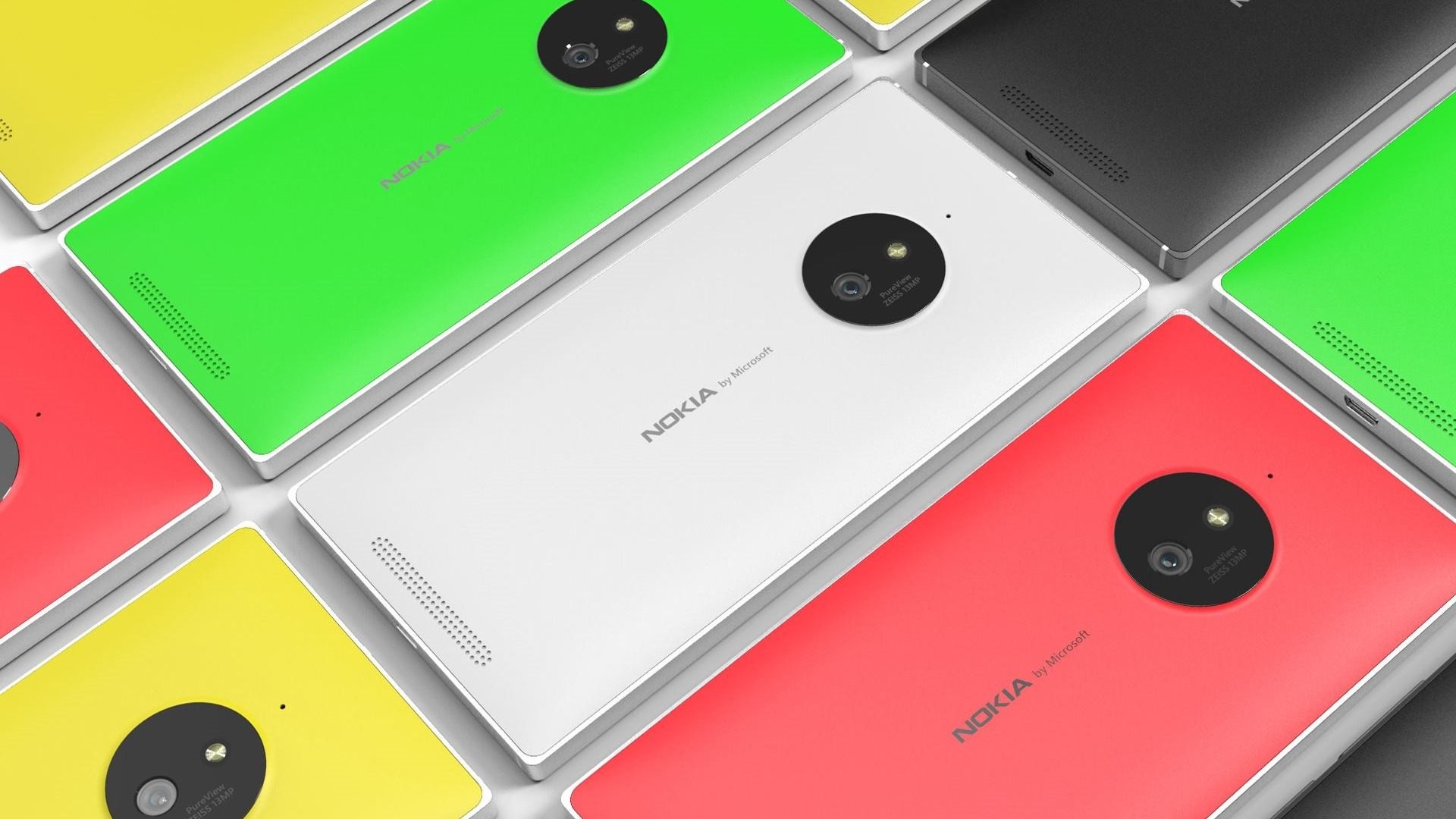
There was a time when Nokia ruled the world of mobile phones. Millions trusted the brand for its durability, long battery life, simple interface, and strong network reception. Nokia wasn’t just a company—it was a symbol of reliability and innovation. Yet today, the same brand struggles to gain even a small share of the smartphone market.
How did one of the most powerful mobile brands in history lose its dominance?
And why hasn’t it been able to bounce back, even after embracing Android and relaunching globally?
This article offers a complete, updated, and deeply researched analysis of Nokia’s decline, its strategic missteps, and the challenges that still prevent it from succeeding today. As one industry expert says, “Markets don’t forgive delay, and technology doesn’t wait for anyone.”
Let’s explore every factor that contributed to Nokia’s downfall and why the brand still struggles despite attempts to revive itself.
Nokia’s Early Dominance: What Made It Great
Before we understand why Nokia failed, we must understand why it succeeded so massively.
Nokia once provided:
- Strong, almost unbreakable phones
- Long-lasting batteries
- User-friendly interface
- Reliable network performance
- Affordable options for every budget
- Trust and emotional connection with customers
For years, Nokia set global standards for mobile design, battery life, and hardware quality. People used their phones for years without issues. Enthusiasts still remember the legendary Nokia 3310, which became a cultural icon.
At one time Nokia was the No. 1 handset manufacturer in terms of ease of use & sales.
However, markets change, and companies must evolve with them. Nokia’s biggest problem was not competition—it was resistance to change.
The Core Reasons Behind Nokia’s Failure
Below is a detailed breakdown of the major strategic, technological, and market-related factors that led to Nokia’s decline and continue to limit its success.
1. Nokia Ignored the Shift to Smartphones
The smartphone revolution began when touchscreens and app-based ecosystems became the future. Nokia had all the resources to lead this revolution but failed to act quickly.
Instead of embracing modern operating systems, Nokia continued promoting:
- Symbian OS
- Physical keypad devices
- Old-style interfaces
This decision delayed their entry into the smartphone era.
Competitors like Apple and Samsung moved fast, offering touchscreen devices with intuitive software. Nokia stayed stuck in the past.
This single mistake allowed competitors to capture the market before Nokia even responded.
2. Overdependence on Symbian OS
Symbian was once a great platform. It was stable, lightweight, and perfect for feature phones. But it wasn’t built for modern smartphones.
Its disadvantages became clear:
- Poor touchscreen support
- Complicated UI
- Slow app development
- Difficult for developers to program
- Fragmented versions across devices
While Android and iOS offered smooth, app-driven experiences, Symbian struggled to keep up.
Nokia’s leadership underestimated the importance of modern software, believing hardware was enough to win. They failed to notice that software became the true heart of smartphones.
3. Delaying Android Adoption: A Costly Mistake
When Android arrived, many brands immediately adopted it. Samsung, HTC, Motorola, and later Xiaomi, Vivo, Oppo, and Realme built massive success on Android’s flexibility.
Nokia, however, refused to adopt Android during its early growth.
Instead, Nokia partnered with Microsoft to create Windows Phone.
This was a turning point—and a mistake.
Windows Phone offered:
- Beautiful UI
- Smooth animations
- Strong security
But lacked:
- Apps
- Developer support
- Customization
- Global adoption
- Google services
Users simply didn’t want a smartphone without the apps they loved.
By the time Nokia finally adopted Android years later, the market was already dominated by powerful competitors.
As someone once said, “In business, timing is often more important than talent.”
4. The Microsoft Partnership: A Strategic Misalignment
Nokia and Microsoft hoped to compete with Android and iPhone together. But the partnership faced many issues:
- The Windows ecosystem was incomplete
- App developers didn’t support the platform
- Google rejected developing apps for Windows Phone
- Customers didn’t want to switch
- Carriers didn’t push the devices
Internally, Nokia employees were divided about the partnership.
The company’s direction became unclear.
When Microsoft eventually bought Nokia’s mobile division, the decline accelerated instead of improving.
5. Aggressive Competition From New Chinese Brands
While Nokia struggled to find its identity, new brands entered the market with aggressive strategies:
- Xiaomi
- Vivo
- Oppo
- Realme
- OnePlus
- Huawei
These companies offered:
- Great cameras
- Large storage
- Fast charging
- High refresh-rate displays
- Stylish designs
- Feature-packed smartphones at affordable prices
Meanwhile, Nokia phones remained:
- Underpowered
- Overpriced compared to competitors
- Slow to innovate
- Behind on specifications
- Lacking appealing features
In a market driven by value and specifications, Nokia failed to match expectations.
6. Outdated Design Choices and Slow Innovation
Nokia phones were known for durability. But durability isn’t enough in the modern smartphone world. Today’s users want:
- Sleek designs
- Punch-hole cameras
- Fast processors
- High-resolution screens
- Multiple lenses
- Fast charging technology
For years, Nokia released phones with:
- Basic LCD screens instead of AMOLED
- Average processors
- Mid-tier cameras
- Slow charging
- Conservative designs
Consumers found Nokia outdated, especially compared to more modern-looking alternatives.
7. Poor Pricing Strategy
Nokia’s pricing did not match user expectations. Many Nokia phones were:
- Too expensive for the features offered
- Placed directly against smartphones that outperformed them
- Targeted at segments already dominated by aggressive competition
In an industry where every rupee matters, price mismatch can destroy potential sales.
8. Slow and Inconsistent Marketing
Brands like Samsung, Xiaomi, and Apple invest heavily in marketing and brand visibility. Nokia, on the other hand, has:
- Minimal online presence
- Weak promotional campaigns
- Low influencer or media collaborations
Many buyers simply forget Nokia exists until they see it in a store.
A brand cannot succeed without strong marketing support.
9. Limited Focus on Camera Innovation
Today, people choose smartphones based on camera performance. Social media platforms like Instagram, TikTok, and YouTube have changed how users value photography.
Nokia once dominated mobile photography with its earlier models like Lumia 1020 and PureView.
But in recent years, the brand has failed to keep up with:
- Computational photography
- AI enhancements
- Low-light improvements
- High-resolution sensors
- Video stabilization features
Other brands raced ahead while Nokia remained slow to innovate.
10. Weak App Ecosystem and Developer Support (Historically)
Even though Nokia uses Android now, its historical failure to build a strong ecosystem hurt its long-term reputation. Users who left Nokia years ago rarely returned.
Many associate Nokia with:
- Limited apps
- Missing features
- Uncertain platform future
Brand perception takes years to rebuild.
11. Failure to Capture the Youth Market
The youth segment drives the majority of smartphone purchases today. They want:
- Stylish designs
- Smooth gaming performance
- Social media-ready cameras
- Fast charging
- Trendy features
Nokia’s image remained conservative, appealing more to:
- Older users
- Feature phone customers
- Basic smartphone buyers
This left the biggest market segment untouched.
12. Confusing Product Line and Weak Differentiation
Modern smartphone brands clearly categorize their devices:
- Budget
- Mid-range
- Flagship
Nokia often releases:
- Overlapping models
- Similar-looking devices
- Confusing naming schemes
- Minimal differentiation
This confuses buyers and reduces brand clarity.
13. Limited Global Availability and Distribution Challenges
Unlike brands that aggressively expand across markets, Nokia’s distribution remains limited in many regions. Some models are difficult to find. Some arrive late. Others never launch in certain countries.
A phone cannot succeed if customers cannot buy it easily.
14. Slower Software Update Delivery (Despite Promises)
Nokia initially promised fast Android updates as a selling point. But over time:
- Updates slowed down
- Some devices received delayed patches
- A few models lacked consistent support
This weakened consumer trust.
15. Relying Too Much on Nostalgia
Nokia relaunches classic models like the 3310, 8110, or slide phones. While nostalgic, these devices:
- Do not drive significant sales
- Appeal to older users, not the youth
- Cannot compete with modern smartphones
Nostalgia alone cannot rebuild a global brand.
Can Nokia Recover? Challenges and Opportunities
Despite the struggles, Nokia still has strengths:
- Strong brand recognition
- Good build quality
- Clean Android interface
- Security-focused software
- Loyal feature phone customers
But to succeed again, Nokia must:
- Improve pricing strategy
- Innovate aggressively
- Target youth-oriented features
- Strengthen marketing and online presence
- Offer better specifications
- Release competitive camera systems
- Build trust with consistent software updates
Nokia has potential, but the smartphone market demands speed, innovation, and bold decisions.
Practical Real-Life Example of Nokia’s Decline
Consider a customer comparing two phones:
Nokia mid-range phone:
- LCD screen
- 4GB RAM
- Basic camera
- Slow charging
- Higher price
Competitive brand:
- AMOLED screen
- 6GB RAM
- Triple AI camera
- 33W/65W fast charging
- Lower price
Even if customers trust Nokia, the value difference is too large. They choose the competitor.
This scenario reflects millions of real buying decisions that pushed Nokia down.
Why Nokia Is Still Relevant (But Limited)
Even though Nokia is not a top smartphone brand today, it remains relevant in areas like:
- Feature phones
- Basic smartphones
- Enterprise and secure communication devices
- Certain geographic markets
- Software and telecom equipment
However, the mainstream smartphone battle is highly competitive—and Nokia remains far behind.
Conclusion
Nokia’s decline is not due to one mistake but a combination of strategic missteps, late decisions, poor software choices, slow innovation, pricing issues, and intense competition. The brand once shaped the mobile world, but failing to adapt allowed faster, more innovative companies to take its place.
Yet Nokia’s story is far from over. With the right decisions, stronger products, modern features, and customer-focused strategies, the brand still has an opportunity to regain significance—though perhaps never the dominance it once enjoyed.
A powerful reminder remains:
“Technology rewards those who innovate—and forgets those who stand still.”
Note: This article is for information purpose only. This is our view according to the information we have.