
Smartphones have become essential for communication, work, education, entertainment, payments, health tracking, and daily life. As mobile phones become more expensive and complex, the demand for skilled technicians has risen dramatically. People rely on their devices every minute, so when a smartphone, iPhone, or Android device stops working, they need fast, reliable, and affordable repair services.
This shift in user behavior has transformed what used to be a small trade into a large, stable, and highly profitable industry. For anyone considering a career or business in gadget repairs, understanding the future scope of the mobile phone repair business is crucial.
The mobile phone repair industry has grown massively over the years. In the past, especially in countries like the US, Canada, and across Europe, many people believed it was better to buy a new phone instead of repairing a damaged one. Faulty devices were often thrown away and replaced immediately.
That mindset has changed. Today, people prefer repairing their smartphones and tablets because it is far cheaper than buying a new device. With the high prices of iPhones, Samsung Galaxy phones, and other premium models, repairs have become the smarter choice.
I personally know many technicians who started with almost nothing and built successful repair businesses. If repairs were not profitable, these repair centers would not have grown so much. The demand keeps increasing because users now understand that fixing a phone costs only a fraction of replacing it.
A simple truth captures the heart of this industry:
“As long as people use smartphones, they will always need someone to fix them.”
In this guide, we explore the real opportunities, income potential, global demand, service expansion, and long-term future of the smartphone repair market.
1. The Changing Mindset of Smartphone Users
Years ago, especially in developed countries, people often replaced faulty phones instead of repairing them. New devices were relatively affordable, and repair shops were less common.
Today, the scenario is very different.
Why the mindset changed
- Smartphones are more expensive now—premium iPhones and flagship Android phones cost as much as a laptop.
- Repairing a damaged device is far cheaper than buying a new one.
- Data stored inside the phone—photos, chats, contacts—is extremely valuable.
- Eco-friendly habits and sustainability awareness encourage repairs over replacements.
- Fast repair services make fixing devices more convenient than shopping for new ones.
Customers now prefer a repair over replacement for even moderate issues. This shift itself has created a massive business opportunity.
2. Global Scope of the Mobile Phone Repair Industry
The smartphone repair industry has grown consistently because:
- Every region uses mobile phones extensively
- The lifespan of smartphones is increasing
- People upgrade less frequently
- Repairs are now standard practice
High scope regions
- Europe – Repairs are cost-effective compared to buying new flagship devices.
- North America – Professional repair chains are growing rapidly.
- Africa – High demand, limited repair centers, excellent business potential.
- Australia & Middle East – High-income markets with expensive devices.
- Asia – Very high competition but also very high demand.
Even in competitive countries like India, Pakistan, Sri Lanka, Bangladesh, Philippines, Egypt, and Indonesia, technicians earn consistently because the number of smartphone users keeps rising.
Competition exists in every business, but the repair industry continues to thrive because:
- Devices break daily
- More users join the digital world every year
- Repairs offer high profit margins
- Skills matter more than the number of shops
As one technician said:
“In this business, the one who solves problems quickly becomes the busiest shop in town.”
3. Why the Future of the Repair Business Is So Bright
1. Smartphones are getting more expensive
People prefer repairing rather than replacing, especially flagship models.
2. More smartphones = more repairs
Every new user eventually needs help—broken screens, battery issues, charging problems, software glitches, etc.
3. Growing awareness about sustainability
Repairing reduces electronic waste. Many countries promote repairability through regulations.
4. Rapid technological upgrades
Each new smartphone brings new issues, creating consistent demand for skilled technicians.
5. High profit margins
Repairs often require low-cost parts but generate premium service charges.
6. Repairs cannot be fully automated
Technicians will always be required for:
- Chip-level repairs
- Soldering
- Water damage treatment
- Display replacements
- Advanced diagnostics
7. Online and doorstep repair models are booming
Customers love same-day convenience.
8. Repairs are needed by individuals AND businesses
Corporate clients, schools, offices, and delivery companies all require bulk repairs.
The future demand is not just strong—it’s expanding into new service categories.
4. Services You Can Offer in a Mobile Repair Business
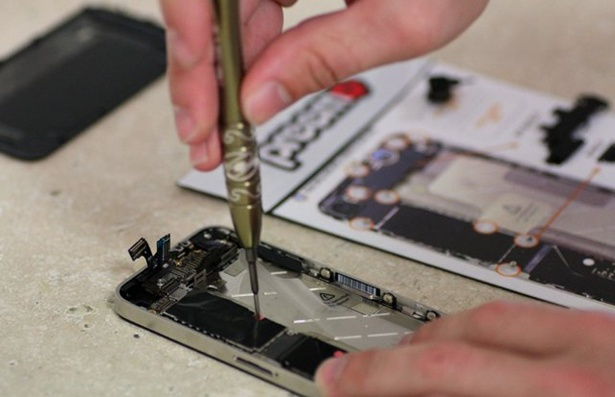
A phone repair shop can earn from multiple services, not just fixing screens or batteries. Here are the most profitable ones:
1. Smartphone and tablet repairs
- Screen replacement
- Battery replacement
- Charging port repair
- Camera issues
- Speaker/mic repairs
- Water damage treatment
- Software troubleshooting
- Chip-level motherboard repair
2. Selling accessories
Headphones, chargers, cables, phone cases, screen guards, power banks, etc.
3. SIM cards and mobile plan services
Still works in regions where people prefer offline support.
4. Digital downloads or support
Assisting customers with apps, backups, transfers, or settings.
5. Buying and selling used smartphones
Huge demand—many prefer affordable second-hand devices.
6. Selling refurbished phones
High profit margins for technicians who restore phones professionally.
7. Selling new phones
Optional, but beneficial if you have investment.
8. Doorstep repair services
Fastest-growing segment; customers pay premium charges for convenience.
9. Corporate repair services
Schools, offices, banks, logistics companies often require bulk repairs.
Even if competition is high, diversification keeps a shop profitable.
5. Income Potential in Mobile Phone Repair Business
Earnings depend on:
- Location
- Skill level
- Number of services offered
- Reputation and customer trust
- Marketing
- Quality and speed of work
However, most repair shop owners earn a healthy profit because:
- Repair parts often cost far less than the service fee
- Chip-level repairs give very high margins
- Bulk repairs from corporate clients add steady income
- Accessory sales provide daily revenue
- Buying/selling second-hand phones increases profit significantly
A well-established repair center with good reviews can easily fix 8–15 devices a day, leading to a strong monthly income.
A skilled technician often earns more than many traditional jobs, especially in areas with limited competition.
6. How Competition Impacts the Repair Business
Competition exists everywhere, but in this industry, it is not a threat—it is proof of market demand.
Why competition is not a problem
- Skill level varies widely; people prefer trusted technicians.
- Customer loyalty is strong when you deliver quality.
- New customers come continuously because phones keep breaking.
- Many shops offer only basic repairs; advanced technicians stand out.
How to stay ahead
- Learn chip-level repairs
- Maintain transparency with customers
- Offer quick turnaround time
- Keep spare parts in stock
- Use good marketing—Google Maps, WhatsApp, social media
- Provide warranties on repairs
- Maintain a clean, professional workspace
If you build trust, customers will travel far to visit your shop.
7. The Future of the Mobile Repair Industry: Trends to Watch
1. Chip-level repair demand will increase
Modern devices are more complex, making advanced soldering skills valuable.
2. Battery replacements will rise
Users keep their phones longer, increasing battery service demand.
3. Foldable phones repair market will grow
Specialized tools and skills will be needed.
4. Data recovery services will become important
People value their data more than the device itself.
5. Software repair skills will evolve
Android and iOS security updates require constant learning.
6. Doorstep repair will continue growing
Convenience is king.
7. Recycled and refurbished smartphones will dominate budget markets
Repair shops benefit greatly from this trend.
8. Corporate partnerships will expand
Businesses rely heavily on phones, creating lucrative B2B repair opportunities.
Overall, the future trend is expansion, not decline.
8. What Makes Repairs the Most Profitable Service?
Among all services a shop can offer, repairs have the highest scope because:
✔ Customers need fast solutions
A broken device cannot wait.
✔ Replacement parts are affordable
Margin between part cost and repair charge is profitable.
✔ Repair skills cannot be automated
Hands-on expertise remains essential.
✔ High customer loyalty
Once someone trusts you, they return for every issue.
✔ People care more about their data than the device
This increases willingness to repair instead of replace.
Repairs create a steady, almost guaranteed stream of income daily.
9. Challenges in the Mobile Repair Business (and How to Overcome Them)
Every business has challenges. Being aware of them prepares you for long-term success.
1. Fake or low-quality spare parts
Solution: Use trusted suppliers and give customers clear warranty details.
2. Handling difficult customers
Solution: Maintain professionalism, transparency, and clear communication.
3. Rapid changes in technology
Solution: Keep updating your skills every few months.
4. Competition
Solution: Stand out through service quality, speed, and reputation.
5. Managing inventory
Solution: Track stock, order in advance, and avoid unnecessary purchases.
6. Maintaining trust
Solution: Be honest, provide clear pricing, and show damaged parts when explaining repairs.
Challenges are real, but manageable if you stay committed.
10. Final Verdict: Is There a Future Scope in Mobile Phone Repair Business?
Absolutely—the scope is not only high, it is growing every year.
The industry will continue expanding because:
- Smartphones are essential
- Repairs are cheaper than replacements
- Users update devices less frequently
- Screens, batteries, and boards fail often
- Corporate repairs are rising
- Chip-level skills are in high demand
- Eco-friendly repair culture is increasing
If you gain proper technical skills, maintain honesty, and offer dependable service, the mobile repair business can give you strong income, long-term stability, and a respected position in your community.
Conclusion
The future scope of the mobile phone repair business remains extremely promising. With rising smartphone prices, increasing reliance on digital devices, and growing consumer awareness about repairability, skilled technicians are more valuable than ever.
Whether you plan to open a shop, work from home, or start a doorstep repair service, this industry offers impressive income potential and long-term growth.
Smartphones will keep evolving—but so will the opportunities for people who know how to fix them.