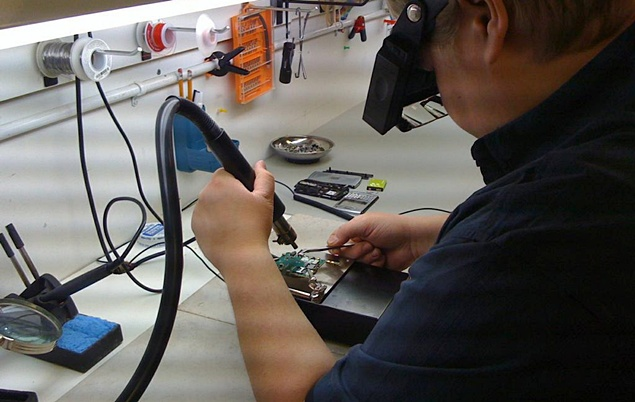
Tag: tools

  • Complete List of eMMC Chip-Level Mobile Repair Tools (2026)

    Complete List of eMMC Chip-Level Mobile Repair Tools (2026)

    eMMC chip-level repair is one of the most advanced areas of mobile phone repairing. It goes far beyond screen replacement or battery changes. At this level, technicians work directly on the phone’s memory chip to fix problems related to boot failure, dead phones, data corruption, and storage errors.

    This guide is written for allgsmtip.com readers who want clear, practical, and real-world information—whether you are learning chip-level repair or upgrading your professional toolkit.

    We will cover:

    • What eMMC chip-level repair actually means
    • Why special tools are required
    • A complete and updated list of tools (2025)
    • Beginner vs professional setups
    • Common mistakes to avoid
    • Safety and workflow tips used in real repair labs

    What Is eMMC Chip-Level Mobile Repair?

    eMMC (Embedded MultiMediaCard) is the internal storage chip in most Android phones and some older iPhones. It stores:

    • Android OS or iOS system files
    • User data (apps, photos, videos)
    • Boot and firmware partitions

    When this chip develops faults, the phone may show issues such as:

    • Stuck on logo
    • Dead phone (no power)
    • Auto restart loop
    • Storage not detected
    • “Invalid IMEI” or corrupted firmware

    eMMC chip-level repairing means diagnosing, removing, reprogramming, or replacing the eMMC chip directly on the motherboard.

    This work cannot be done with basic mobile repair tools. It requires precision instruments and specialized programming tools. There are various levels in mobile repairing – L1, L2, L3 and L4 based on their difficulty level.


    Why Specialized Tools Are Required for eMMC Repair

    eMMC chips are:

    • Extremely small (often BGA type)
    • Soldered directly to multilayer PCBs
    • Sensitive to heat, static electricity, and voltage

    Without proper tools:

    • Pads can lift from the motherboard
    • Data can be permanently lost
    • The board can become irreparable

    That’s why professional chip-level technicians rely on a carefully selected toolset designed specifically for memory-level work. While if you need a general list of tools required for cell phone repair, read our guide on essential and basic cell phone repair tools needed for technicians.


    Core Categories of eMMC Chip-Level Repair Tools

    Before listing individual tools, it helps to understand the categories they fall into:

    1. Soldering & Rework Tools
    2. Chip Programming & Reading Tools
    3. Testing & Measurement Tools
    4. Microscope & Visual Inspection Tools
    5. Support, Safety & Consumables

    Each category plays a critical role in a successful repair.

    Essential Soldering & Rework Tools for eMMC Repair

    1. Hot Air Rework Station

    Used to safely remove and reinstall eMMC chips.

    Key features to look for:

    • Digital temperature control
    • Adjustable airflow
    • Stable heat output

    Why it matters:
    Uneven or excessive heat can destroy the chip or motherboard layers.


    2. Precision Soldering Station

    Required for:

    • Jumper wire connections
    • Pad repair
    • Small component soldering near the eMMC area

    Tip: Always use a fine conical or knife tip for chip-level work.


    3. PCB Preheater

    Preheats the motherboard from below.

    Benefits:

    • Reduces thermal shock
    • Prevents board warping
    • Allows lower hot-air temperatures

    This tool is especially useful for multilayer boards found in modern smartphones.


    4. BGA Reballing Kit (for eMMC)

    Includes:

    • Reballing stencils
    • Solder balls (various sizes)
    • Flux and alignment tools

    Why rebelling is important:
    After chip removal, solder balls must be restored before reinstalling the eMMC.

    eMMC Programming and Reading Tools (Most Critical)

    5. eMMC Programmer Box

    This is the heart of chip-level repair.

    Used to:

    • Read eMMC data
    • Write firmware and partitions
    • Repair corrupted boot areas
    • Backup user data (when possible)

    Common capabilities:

    • ISP (In-System Programming)
    • Direct chip reading
    • Pinout-based connections

    6. ISP Cable Set

    Allows reading and writing eMMC without removing the chip.

    Advantages:

    • Faster workflow
    • Lower risk of board damage
    • Useful for supported models

    Limitation:
    Not all phones support stable ISP access.


    7. eMMC Adapters & Sockets

    Used when the chip is removed from the board.

    Includes:

    • BGA adapters
    • Clamp sockets
    • Test sockets for different chip sizes

    These ensure secure electrical contact during programming.

    Inspection and Diagnostic Tools

    8. Microscope (Mandatory)

    Chip-level repair is impossible without magnification.

    Recommended features:

    • 7x–45x zoom
    • LED ring light
    • Stable stand

    Used for:

    • Pad inspection
    • Solder joint quality
    • Cracked trace detection

    9. Digital Multimeter

    Used to check:

    • Continuity
    • Short circuits
    • Voltage lines
    • Ground resistance

    Real-world use:
    Before connecting a programmer, always confirm that the eMMC power lines are not shorted.


    10. DC Power Supply

    Helps analyze phone behavior during boot attempts.

    Why it’s useful:

    • Shows current draw patterns
    • Helps identify dead or shorted boards
    • Confirms whether the eMMC is responding

    Supporting Tools That Make a Big Difference

    11. Flux (No-Clean, Chip-Level Grade)

    Improves solder flow and prevents oxidation.

    Important:
    Low-quality flux can leave residue and cause corrosion.


    12. Solder Paste and Solder Wire

    Used during:

    • Pad repair
    • Jumper work
    • Reballing corrections

    Always use lead-free solder compatible with smartphone boards.


    13. Precision Tweezers & Blades

    Required for:

    • Chip lifting
    • Cleaning pads
    • Removing underfill material

    14. PCB Holder / Board Fixture

    Keeps the motherboard stable during heating and soldering.

    This reduces accidental movement and misalignment.


    15. ESD Protection Tools

    Includes:

    • ESD mat
    • ESD wrist strap

    Why it matters:
    Static discharge can silently damage memory chips.


    Optional but Highly Useful Tools

    These are not mandatory but improve efficiency and success rate:

    • Ultrasonic cleaner (for corrosion cases)
    • Underfill remover chemicals
    • Thermal camera (advanced diagnostics)
    • Backup power activation boards

    Beginner vs Professional eMMC Tool Setup

    Beginner Setup (Learning Phase)

    • Hot air rework station
    • Soldering station
    • Microscope
    • Multimeter
    • Entry-level eMMC programmer
    • Basic ISP cables

    This setup is enough to understand concepts and practice safely.


    Professional Setup (Repair Lab)

    • Advanced hot air + preheater
    • High-quality microscope
    • Multiple eMMC adapters
    • Reliable programmer with software updates
    • DC power supply
    • Full ESD protection

    This setup is required for customer devices and data-sensitive repairs.


    Common Mistakes in eMMC Chip-Level Repair

    Avoid these frequent errors:

    • Overheating the chip or board
    • Skipping data backup before writing firmware
    • Wrong ISP pin connections
    • Using excessive solder or flux
    • Ignoring power line testing before programming

    Most failed repairs happen due to haste, not lack of tools.


    Safety and Best Practices

    • Always backup data when possible
    • Use low airflow with controlled temperature
    • Label removed chips immediately
    • Clean flux residue after work
    • Never rush eMMC programming steps

    These habits protect both the phone and your reputation as a technician.


    Is eMMC Repair Still Relevant in 2025?

    Yes. While newer phones use UFS storage, millions of Android devices worldwide still rely on eMMC. Entry-level and mid-range smartphones continue to use it due to lower cost.

    For technicians:

    • eMMC repair remains high-demand
    • Skill competition is lower than screen repair
    • Profit margins are better for advanced repairs

    Final Thoughts

    eMMC chip-level mobile repair is not about owning expensive tools. It is about using the right tools correctly with patience and understanding.

    If you are serious about chip-level work:

    • Start small
    • Learn signal flow and memory basics
    • Practice on scrap boards
    • Upgrade tools gradually

    With the correct approach, eMMC repair can become one of the most valuable skills in mobile phone repairing.

  • Which Multimeter Is Best for Cell Phone Repair?

    Which Multimeter Is Best for Cell Phone Repair?

    Why Choosing the Right Multimeter Matters

    In cell phone repairing, guessing is expensive.
    A single wrong assumption can damage a smartphone motherboard, waste time, and reduce customer trust.

    This is where a multimeter becomes one of the most important tools for a mobile repair technician. Whether you are repairing an Android phone, an iPhone, or any modern mobile device, a multimeter helps you see what the circuit is actually doing, not what you think it is doing.

    Many beginners ask:

    Which multimeter is best for cell phone repair?

    The honest answer is not just about brand or price. It depends on:

    • Your skill level
    • Type of repairs you do
    • Accuracy required
    • Budget

    “Good technicians don’t guess problems. They measure them.”

    This guide explains everything clearly—from multimeter types and pricing to trusted brands used by professional mobile phone repair technicians.


    What Is a Multimeter in Mobile Phone Repairing?

    A multimeter is a diagnostic tool used to measure electrical values such as:

    • Voltage
    • Current
    • Resistance
    • Continuity

    In mobile phone repairing, a multimeter helps identify power issues, short circuits, broken tracks, and faulty components on smartphones and other devices.

    Without a multimeter, mobile repairing becomes trial-and-error. With it, repairs become logical and reliable.


    Why Multimeters Are Essential for Cell Phone Repair Technicians

    Modern smartphones use compact and sensitive circuits. Visual inspection alone is not enough.

    A multimeter helps technicians:

    • Check battery voltage
    • Test charging lines
    • Find short circuits on the motherboard
    • Verify continuity of tracks
    • Confirm power reaching ICs
    • Diagnose dead phone issues

    Every serious mobile repair shop relies on a multimeter daily.


    Types of Multimeters Used in Cell Phone Repair

    Understanding multimeter types is the first step toward choosing the right one.


    1. Digital Multimeter (DMM)

    A digital multimeter shows readings on a digital display.

    Why Digital Multimeters Are Most Popular

    • Easy to read values
    • Better accuracy
    • Compact and portable
    • Beginner-friendly

    Common Uses in Phone Repair

    • Measuring battery voltage
    • Checking continuity of lines
    • Testing resistors and diodes
    • Diagnosing charging problems

    For most mobile phone repair technicians, a digital multimeter is the best starting point.


    2. Analog Multimeter

    An analog multimeter uses a moving needle to show readings.

    Advantages

    • Shows real-time changes smoothly
    • Useful for understanding signal fluctuations

    Limitations

    • Harder to read precisely
    • Less accurate than digital models
    • Rarely used in modern phone repair

    Today, analog meters are mostly used for learning basic electronics, not daily smartphone repair.


    3. Auto-Ranging Multimeter

    An auto-ranging multimeter automatically selects the correct measurement range.

    Why Technicians Prefer Auto-Ranging

    • Saves time
    • Reduces human error
    • No manual range selection
    • Ideal for unknown circuits
    Auto ranging mulltimeter used in cell phone repair

    Auto-ranging multimeters are strongly recommended for mobile phone repair, especially for beginners and intermediate technicians.


    Key Features to Look for in a Multimeter for Phone Repair

    Before choosing any model, check these essential features:

    Must-Have Features

    • Continuity buzzer (fast response)
    • Diode testing mode
    • Low-voltage measurement accuracy
    • Fine probe compatibility
    • Auto-ranging (preferred)

    Technician-Level Keywords to Remember

    • Continuity testing
    • Short detection
    • Voltage drop analysis
    • Power line checking
    • Ground resistance

    These features support professional-level diagnostics.


    Multimeter Pricing Categories for Mobile Repair

    Multimeters are available in different price ranges. The “best” one depends on where you are in your repair journey.


    Basic (Cheap) Multimeters

    Who Should Buy

    • Beginners
    • Students learning mobile repairing
    • Basic repair shops

    Characteristics

    • Basic voltage and continuity functions
    • Acceptable accuracy for entry-level work
    • Budget-friendly

    These meters are suitable for learning fundamentals but may lack durability.

    most basic mulltimeter used in cell phone repair

    This is the most basic and famous multimeter used by technician today. It costs between Rs 150 to Rs 250 in different cities and villages in India.

    Medium-Range Multimeters

    Who Should Buy

    • Regular mobile repair technicians
    • Shop owners doing daily repairs

    Characteristics

    • Better accuracy
    • Stronger build quality
    • Faster continuity response

    This category offers the best balance between price and performance.


    Premium Multimeters

    Who Should Buy

    • Advanced technicians
    • Chip-level repair experts
    • Long-term professionals

    Characteristics

    • High precision
    • Excellent durability
    • Consistent performance

    Premium meters cost more, but they last longer and reduce diagnostic errors.


    Most Trusted Premium Multimeter Brands (Global)

    Professional technicians worldwide trust these brands:

    • Sanwa – Known for precision and reliability
    • Fluke – Industry standard for accuracy
    • Hioki – Trusted in advanced diagnostics

    These brands are popular in professional electronics and mobile repair labs.


    Popular Multimeter Brands Used in India

    In India, technicians often prefer brands that balance quality and affordability:

    • Meco
    • Sunshine
    • Mastech
    • UNI-T
    • Haoyue

    These brands are widely used in Indian mobile repair shops for daily work.


    Multimeter Use Cases in Cell Phone Repair

    A multimeter supports nearly every repair stage.

    Common Real-World Use Cases

    • Checking battery health and voltage
    • Verifying charger output
    • Finding motherboard short circuits
    • Testing continuity between components
    • Confirming power flow to ICs
    • Diagnosing “dead phone” issues

    A technician without a multimeter is working blind.


    Digital vs Auto-Ranging: Which Is Better?

    Digital Multimeter

    • Good for beginners
    • Manual range selection
    • Slightly slower workflow

    Auto-Ranging Multimeter

    • Faster diagnostics
    • Fewer mistakes
    • Preferred by professionals

    If budget allows, auto-ranging digital multimeters are the best choice for mobile phone repair.


    Common Mistakes Technicians Make While Buying Multimeters

    Avoid these mistakes:

    • Buying extremely cheap, low-quality meters
    • Ignoring probe quality
    • Choosing meters without fast continuity
    • Buying complex meters without understanding features

    A simple, reliable multimeter is better than a complex one you cannot use properly.


    Practical Tips for Using a Multimeter in Phone Repair

    • Always check battery voltage before replacing parts
    • Use fine-tip probes for smartphone boards
    • Never short test points accidentally
    • Calibrate your meter periodically
    • Keep probes clean and sharp

    “Accuracy in diagnosis saves hours of repair time.”


    Is an Expensive Multimeter Always Better?

    Not always.

    A premium multimeter is only useful if:

    • You understand how to use it
    • You perform advanced diagnostics regularly

    For many mobile phone repair technicians, a good mid-range auto-ranging digital multimeter is more than sufficient.


    Final Recommendation: Which Multimeter Is Best?

    Best Choice by Skill Level

    • Beginners: Digital multimeter with continuity and diode test
    • Intermediate technicians: Auto-ranging digital multimeter
    • Advanced technicians: Premium brand multimeter (Sanwa, Fluke, Hioki)

    The best multimeter is the one that:

    • Matches your skill level
    • Gives reliable readings
    • Fits your repair needs

    Final Summary

    • A multimeter is an essential tool for cell phone repair
    • Digital and auto-ranging multimeters are best for smartphones
    • Analog meters are rarely used today
    • Choose based on accuracy, features, and budget
    • Trusted brands matter for long-term reliability

    Whether you repair Android phones, iPhones, or other mobile devices, the right multimeter improves accuracy, confidence, and professional results.

  • How to Start A Cell Phone Repair Shop – Step By Step Business Guide

    How to Start A Cell Phone Repair Shop – Step By Step Business Guide

    Mobile phones have become an essential part of everyday life. People depend on them for work, communication, banking, entertainment, navigation, and even identity verification. With this level of dependency, one thing is certain: when a phone stops working, people need fast and reliable repair services.

    This is why the mobile repair industry continues to grow. Whether it’s a broken screen, dead battery, water damage, software issue, or faulty charging port—users seek quick solutions. What makes this business attractive is that demand never stops, and repairs are often more affordable than buying new devices.

    Many successful repair shop owners today started with a simple toolkit and a small workspace. With patience, skill, and the right strategy, they built profitable businesses. Like one expert said:
    “Every big repair center you see today began with one tool, one table, and one person willing to learn.”

    If you want to start your own cell phone repair shop, this complete guide will show you the exact steps—from skills to setup, tools, pricing, marketing, and running operations smoothly.


    1. Understand the Mobile Repair Industry

    Before you start, it’s important to understand the market. The mobile repair business includes:

    • Hardware repairs
    • Software troubleshooting
    • Chip-level and board-level repairs
    • Data recovery
    • Phone unlocking and configuration
    • Accessory sales

    The market is strong because:

    • Smartphones are expensive, so people prefer repair over replacement.
    • Even new models face issues like cracked screens or charging faults.
    • Customers want quick service, often within the same day.
    • A repair shop can operate with small investment and grow over time.

    To succeed, you must focus on quality, speed, transparency, and trust. Customers return when they feel safe handing over their device.


    2. Learn the Required Repair Skills

    You cannot run this business effectively without understanding repairs. Even if you plan to hire technicians, you must know the basics so you can manage quality, pricing, and customer expectations.

    Learn both hardware and software repairs:

    • Screen replacement
    • Battery replacement
    • Charging port repair
    • Speaker/mic repairs
    • Water damage treatment
    • Camera issues
    • Motherboard diagnosis
    • Soldering and micro-soldering for board components
    • Software flashing, unlocking, and device reset
    • IMEI and network configuration (within legal limits)

    You can learn from:

    • A professional mobile repair training institute
    • Online courses
    • YouTube for basic techniques
    • Forums and communities
    • Practice on old or faulty phones

    Tip: Start by mastering basic repairs, then progress to chip-level repairs as your skills grow. You can also join a self-study online cell phone repair course at Prizm institute to get yourself trained.


    3. Decide the Type of Repair Business You Want to Start

    There are multiple models depending on investment:

    A. Home-based Repair Service

    • Lowest startup cost
    • Flexible working hours
    • Best for beginners

    B. Small Shop / Kiosk

    • Moderate cost
    • High visibility
    • Good for walk-in customers

    C. Full-Service Repair Store

    • Higher investment
    • Can offer advanced services
    • Suitable for major markets

    D. On-Site / Doorstep Repair Service

    • Growing trend
    • Customers love single-visit repairs
    • Requires skilled technician and portable tools

    Choose a model based on your budget, skills, and area demand.

    small cell phone repair shop

    4. Register Your Business and Legal Setup

    Every serious repair shop should complete basic legal steps. It builds trust with customers and prevents future issues.

    Key formalities:

    • Register your business
    • Set up GST (or local tax registration)
    • Create a service invoice format
    • Open a business bank account
    • Maintain proper billing records

    Customers often trust shops that appear professional and organized.


    5. Choose the Right Location

    Location plays a big role in success.

    Best places:

    • Near markets
    • Near colleges or schools
    • Inside commercial complexes
    • Near bus stations or railway stations
    • High-footfall residential areas

    Choose a place that:

    • Has good visibility
    • Is easy to find
    • Has enough space for customers and repair work
    • Is affordable

    Remember the saying:
    “A great location can reduce your marketing cost by half.”


    6. Set Up Your Repair Workspace

    Your shop must look professional, clean, and trustworthy.

    Components of an ideal shop:

    • Workbench with bright lighting
    • Anti-static mat
    • Organized tool storage
    • Display counter for accessories
    • Waiting area for customers
    • CCTV for security and trust
    • Computer for billing and diagnosis
    • Clean and clutter-free environment

    Customers judge your skills by the cleanliness of your shop.


    7. Essential Tools and Equipment You Need

    To start a repair shop, invest in reliable tools. Avoid the cheapest kits because accuracy and safety depend on the quality of tools. You can excellent tools from rewa tools and union repair.

    Basic tools:

    • Screwdrivers and bit sets
    • Tweezer set
    • Pry tools and opening picks
    • Suction cup
    • Magnetic mat
    • Multimeter

    Advanced tools for professional repairs:

    • Hot air rework station
    • Soldering station
    • Microscope for chip repair
    • Separator machine for screen removal
    • OCA machine (optional for big shops)
    • Battery tester
    • Power supply for board testing
    • Ultrasonic cleaner

    Software tools:

    • Flashing tools
    • Data recovery software
    • Unlocking tools (only legal methods)

    Start small and upgrade tools as your business grows.


    8. Build Relationships With Spare Parts Suppliers

    Reliable suppliers are essential for fast repairs. Look for suppliers who provide:

    • High-quality spare parts
    • Warranty on screens and batteries
    • Bulk price discounts
    • Consistent stock availability
    • Fast delivery

    Keep 2–3 suppliers for safety. Compare prices, quality, and delivery time.


    9. Hire Skilled Technicians (optional)

    If you plan to scale, hire skilled staff.

    Qualities to look for:

    • Good technical knowledge
    • Honest and reliable
    • Quick and careful
    • Friendly with customers
    • Willing to learn new techniques

    Create a clear job role:

    • Repairing
    • Inventory management
    • Customer updates
    • Quality check

    You can also hire a receptionist if your footfall increases.


    10. Offer the Right Services

    The best repair shops offer a mix of fast services and profitable add-ons.

    Core repair services:

    • Screen replacement
    • Battery replacement
    • Charging port repair
    • Camera replacement
    • Speaker and mic repair
    • Liquid damage treatment
    • Software installation
    • Data recovery
    • Motherboard repair (high-profit)

    Additional income sources:

    • Selling accessories
    • Selling refurbished phones
    • Buying old phones
    • Selling new phones (optional)
    • Tempered glass installation
    • Phone cleaning service
    • Doorstep repair

    Offering multiple services increases customer value and generates more income.


    11. Pricing Your Repair Services

    Your pricing must cover:

    • Spare parts cost
    • Technician labor
    • Shop rent
    • Tools and equipment
    • Your profit margin

    Common pricing method:

    Cost of part + service charge + margin

    Offer transparent pricing. Customers appreciate honesty.


    12. Create a Strong Brand Identity

    Branding makes you different from your competitors.

    Branding elements:

    • Logo
    • Shop name
    • Staff uniforms
    • Printed invoices
    • Professional signage
    • Branded packing for repaired phones

    A strong brand builds trust.


    13. Online Presence and Digital Marketing

    A repair shop cannot grow without online visibility.

    Must-have online assets:

    • Google Business Profile
    • WhatsApp Business
    • Instagram page
    • Facebook page
    • Simple website (optional)

    Promote your business with:

    • Before/After repair photos
    • Customer reviews
    • Short repair videos
    • Offers and discounts
    • Location posts

    Local SEO matters:

    When people search “mobile repair near me”, your shop must appear on top.

    Encourage customers to leave reviews. More reviews = more walk-ins.


    14. Offline Marketing Methods That Still Work

    Some traditional methods still attract customers:

    • Flyers in nearby buildings
    • Posters in colleges
    • Business cards
    • Referral discounts
    • Partnerships with shops like gadget stores, photo studios, etc.

    Word-of-mouth remains one of the strongest marketing tools in this business.


    15. Customer Service – The Secret to Long-Term Success

    Your repair skills may attract customers once.
    Your service quality will bring them back again and again.

    Focus on:

    • Clear communication
    • Honest diagnosis
    • Upfront pricing
    • Timely updates
    • Quality checks before delivery
    • Polite behavior

    Customers trust shops that are transparent and friendly.


    16. Managing Inventory and Spare Parts

    Keep track of:

    • Screens
    • Batteries
    • Charging ports
    • Cameras
    • Cases
    • Tempered glass

    Use a simple Excel sheet or POS software to manage stock.


    17. Maintain Repair Records and Customer Data

    Record:

    • Customer name
    • Model
    • Problem
    • IMEI number
    • Parts replaced
    • Warranty given

    This protects you from disputes and improves customer trust.


    18. Avoid Common Mistakes New Repair Shops Make

    • Using cheap spare parts
    • Overpromising and underdelivering
    • Not giving receipts
    • Not learning advanced repairs
    • Ignoring online presence
    • Working with outdated tools
    • Poor communication
    • No clear warranty policy

    Avoid these mistakes to grow faster.


    19. Expand Your Business Step-by-Step

    As your business grows:

    • Add more technicians
    • Offer chip-level repair
    • Introduce doorstep service
    • Start selling accessories
    • Sell refurbished phones
    • Open a second branch

    Growth comes from consistency and quality.


    Conclusion

    Starting a cell phone repair shop is one of the most practical business opportunities today. You can begin with small investment, grow gradually, and achieve consistent income if you focus on skills, quality service, transparency, and modern marketing.

    This industry rewards those who keep learning and treating customers well.
    Remember the quote:
    “A repair shop doesn’t just fix devices—it fixes someone’s day.”

    If you follow this step-by-step guide, you will be much better prepared to launch a successful and profitable repair business.