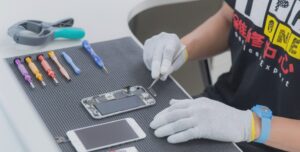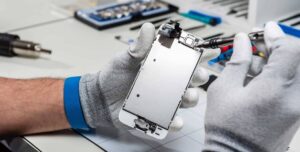
Running a mobile phone repair business today is easier than many people think, but it requires proper skills, discipline, planning, and consistent service quality. Smartphones, tablets, and other handheld devices have become essential to everyone’s daily life. Because people rely on their digital devices for communication, payments, work, and entertainment, the demand for quick and reliable repair services continues to grow.
The mobile repair market is one of the few trades where a small shop can grow steadily with low investment, high demand, and repeat customers. A well-managed repair business can give faster returns than many other retail businesses. In this guide, you’ll learn practical, up-to-date methods for running a successful repair shop based on real industry experience and proven strategies.
“In the repair business, your skill earns the money, but your service earns the customer.”
Why Mobile Phone Repair Is Still a Strong Business
People today own multiple devices—smartphones, tablets, smartwatches, and sometimes even backup phones. As device prices continue to rise, users prefer repairing instead of replacing. Whether it’s an iPhone with a broken back glass or an Android phone with a drained battery, repairs are often more affordable than buying a new device.
In most cities, the number of repair shops has grown, but so has the number of devices. The industry has matured, but demand remains strong because:
- People don’t want to lose their data.
- Repairs are much cheaper than new devices.
- Smartphone users expect quick service.
- High-end devices are expensive to replace.
- E-waste awareness encourages repair over replacement.
This means that if you run your repair business professionally, you can earn stable income and build a trusted brand.
Services You Can Offer in a Modern Mobile Repair Shop
Here are the most relevant services a repair business can offer today. Obsolete services like ringtone downloads, old firmware loading, and outdated multimedia transfers have been removed and replaced with modern, necessary services.
1. Smartphone and Tablet Repairs (Main Income Source)
2. Sale of Common Mobile Accessories
3. Data Transfer and Device Setup Services
4. Buying & Selling Old or Refurbished Devices
5. Selling New Mobile Devices (Optional, but high investment)
6. Value-added Services (Tempered glass installation, cleaning, etc.)
Each of these services can generate strong revenue when managed efficiently.
1. Mobile Phone Repairs — Your Core Profit Area
Repairing smartphones and tablets is the heart of your business. This includes:
- Screen replacement
- Battery replacement
- Charging port repair
- Back glass replacement
- Camera issues
- Software troubleshooting
- Water damage treatment
- Speaker and mic repairs
- IC-level repairs (if you have the skill)
On average, a single repair can earn anywhere from a small margin for basic fixes to large profits for advanced jobs. Repairs offer the fastest and most consistent income.
Tips to Manage Repairs Professionally
✔ Repair devices within the promised time.
Customers value speed. If you can complete simple repairs in 20–30 minutes, your shop becomes a preferred destination.
✔ Clearly communicate delays.
If a part is not available or a repair is complicated, give a realistic time estimate. Customers appreciate honesty.
✔ Keep all customer items safe.
Return SIM cards, memory cards, or cases immediately if not required. Small items often get misplaced.
✔ Inform customers before formatting or flashing a device.
Let them know data will be lost. This avoids disputes later.
✔ Maintain a clean and organized workbench.
A clean environment improves your reputation and reduces the chances of losing screws or components.
✔ Stock essential spare parts.
Fast-moving parts include screens, batteries, charging pins, speakers, and cameras for popular brands.
✔ Track every repair.
Use a software or register to record IMEI, customer contact, repair type, and payment.
2. Sell Phone Accessories That Customers Need Daily
Accessories can increase your profits without requiring extra skills.
Popular, high-demand accessories include:
- Chargers & fast chargers
- Original and OEM cables
- Tempered glass screen protectors
- Earphones and Bluetooth headsets
- Back covers and cases
- Power banks
- Car chargers
- Mobile stands
- Cleaning kits
Focus on fast-moving and profitable products, and avoid unnecessary stock that will not sell.
3. Data Transfer, Software Setup & Device Assistance
Many customers, especially non-tech-savvy users, need help with:
- Transferring data from old to new phones
- Setting up a new smartphone
- Installing important apps
- Google or Apple ID configuration
- Basic phone education for new users
- Cloud backup support
- Resetting a phone safely
These services have low cost and high value. You only need a computer, internet, and basic knowledge.
4. Buying and Selling Used or Refurbished Phones
This is one of the most profitable parts of the mobile business. Many customers prefer buying refurbished phones instead of new ones.
Tips for safely buying used smartphones:
- Check if the phone is not stolen.
- Verify IMEI number online.
- Test the battery health, display, camera, and buttons.
- Check speaker, mic, WiFi, Bluetooth, and network.
- Confirm that the device is free from Google/Apple lock.
- Inspect for water damage.
- Ensure it charges properly.
Once refurbished, these phones can be sold at a profit.
5. Selling New Mobile Phones (Optional)
Selling new devices requires more investment and strong supplier relationships. If you choose to do it:
- Keep only models that sell well in your region.
- Don’t invest heavily in slow-selling phones.
- Offer combo deals (case + tempered glass).
- Provide EMI or finance options if available.
This part of the business grows slowly but adds credibility to your shop.
6. Additional Services to Increase Daily Earnings
To stand out and increase income, consider offering:
- Professional tempered glass installation
- Mobile cleaning and polishing
- Deep cleaning for charging ports
- Device diagnosis services
- Quick battery health checkups
- Premium screen protector application
Small services add up and increase customer loyalty.
7. How to Handle Spare Parts and Inventory Carefully
Spare parts are the backbone of your repair operations. Managing them well reduces delays and increases profit.
Best practices:
- Build relationships with reliable wholesalers.
- Test parts before installing when possible.
- Keep stock of fast-moving models (Samsung, iPhone, Xiaomi, Vivo, Oppo).
- Store parts in labeled boxes.
- Maintain a digital inventory list to avoid shortages.
Avoid cheap, unreliable parts — they reduce your reputation and increase returns.
8. Customer Service: The Real Difference Between Shops
Your technical skills get customers in the door, but your service brings them back. One satisfied customer can refer 10 more.
Provide excellent service by:
- Greeting customers politely
- Explaining the issue in simple language
- Keeping repair charges fair and transparent
- Giving customers a receipt and warranty on parts
- Updating them if the repair takes longer
- Delivering phones in clean, ready-to-use condition
“A repair shop doesn’t grow because of profits; it grows because of trust.”
9. Pricing Your Services Correctly
Avoid undercharging or overcharging. Both hurt your business.
How to price repairs:
- Calculate cost of spare parts
- Add service fee based on time and difficulty
- Consider local competition
- Offer warranty to boost customer confidence
For advanced repairs like IC work, motherboard jobs, and water damage treatment, charge for your expertise.
10. Marketing Your Mobile Repair Business in Today’s World
Modern marketing is essential for growth.
Effective marketing methods:
✔ Google Business Profile
This helps local customers find you quickly.
✔ Social media marketing
Post repair videos, before/after photos, reviews, and offers.
✔ WhatsApp Business
Send updates, take orders, and offer quick support.
✔ Referral discounts
Reward customers who bring new clients.
✔ Local area banners or small boards
Still effective in many regions.
✔ Reliability and word of mouth
The strongest marketing tool in this field.
11. Workflow Management for a Smooth Business Operation
A repair shop runs efficiently when processes are clear.
Follow this workflow:
- Register device details and IMEI
- Describe the issue and charges clearly
- Give time estimate
- Perform repair
- Test thoroughly
- Clean the device
- Deliver with warranty and a smile
This simple system builds confidence and reduces mistakes.
Conclusion
Running a mobile repair business successfully requires skill, discipline, and professionalism—not huge investment. Whether you repair smartphones, sell accessories, or refurbish devices, your success depends on the quality of your service and your commitment to customer satisfaction.
If you follow the strategies in this guide, you can build a profitable business with long-term stability and a loyal customer base.