
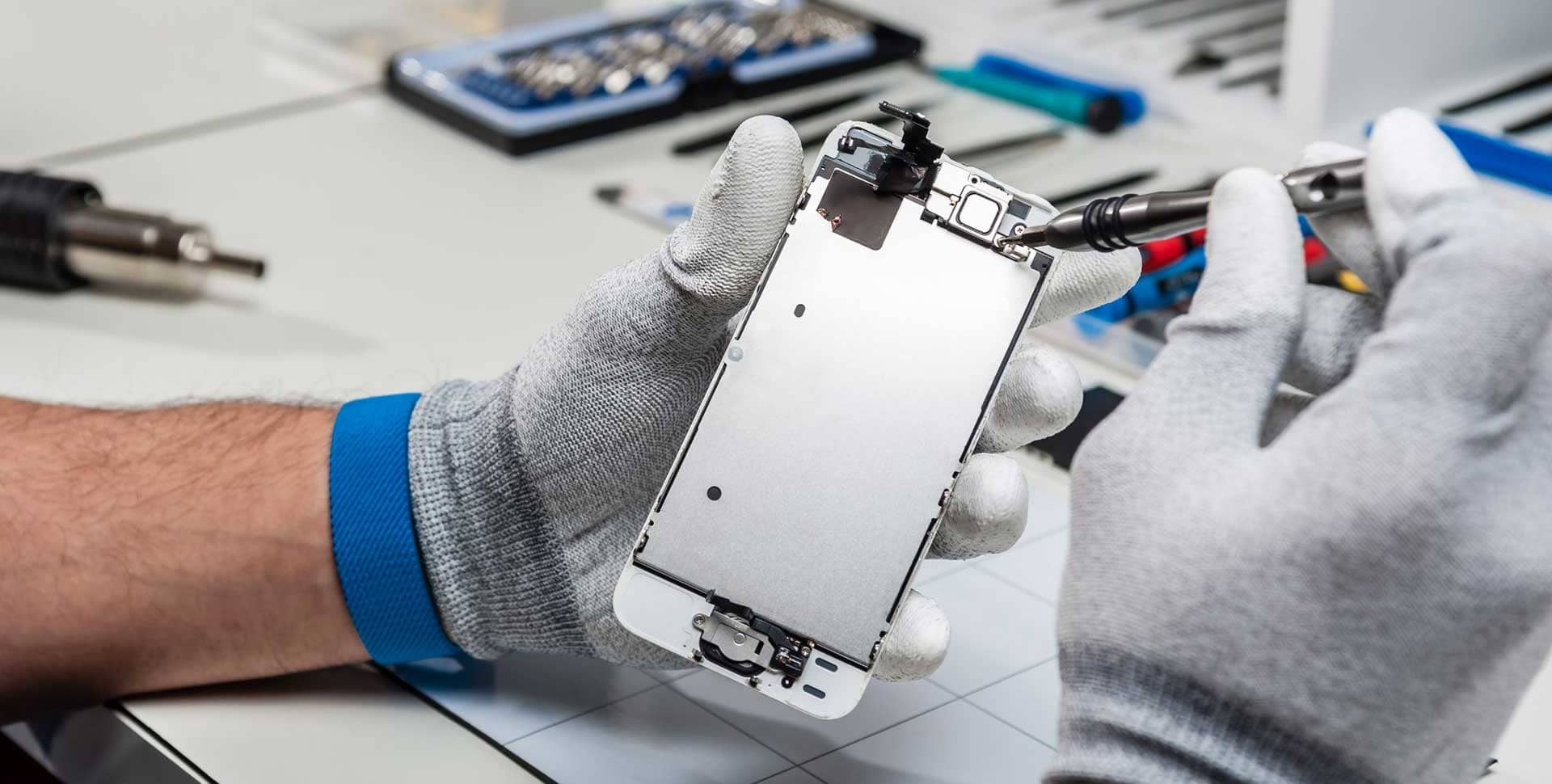
Starting a career in mobile phone repairing can feel exciting and confusing at the same time. You see damaged smartphones every day—broken screens, weak batteries, charging issues, sound problems—and you know they can be fixed. But the first big question is simple:
What tools do I actually need to start repairing phones properly?
Many beginners make the mistake of buying random kits online or investing in expensive equipment too early. The truth is, successful technicians begin with the right basics, not with everything available in the market.
This guide explains the essential tools for beginner-level phone repair work, why each one matters, and how to use them safely. Whether you want to fix Android devices, iPhones, or other mobile phones, this article will help you build a strong foundation.
“Good repair work is not about speed. It is about accuracy, patience, and using the right tools at the right time.”
It is not necessary to buy all of the tools. Instead you can get only those which are only essential, as some of them are required only if you are master technicians. For example, you will need soldering station and all other soldering related stuff only if you want to perform soldering. Otherwise you can just carry on with the basic tools.
Without a proper set of tools you will not be able to open and then fix the handset.
Understanding the Role of Tools in Mobile Repairing
A smartphone has tiny screws, delicate connectors, fragile flex cables, and sensitive components. Using incorrect or low-quality equipment can cause more damage than the original fault.
The right tools help you:
- Open devices without breaking frames or glass
- Remove and refit parts safely
- Diagnose hardware problems accurately
- Work faster with fewer mistakes
- Build customer trust through professional work
For beginners, the goal is not advanced micro-soldering on day one. The goal is safe disassembly, basic diagnosis, and correct replacement of common parts.
Popular Cell Phone Repair Tool Companies
It is very important to buy tools of high quality. For this you also need to know the best companies manufacturing this stuff. Below are some widely trusted tool manufacturers used in mobile phone repairing workshops around the world.
- Sunshine
- Mechanic
- Relife
- iFixit
- 2UUL
- QianLi
- Hakko
- Sugon
- Yaxun
Important Note
No single brand is perfect for all tools. Most professional technicians build their toolkit gradually by combining:
- Reliable brands
- Personal comfort
- Repair requirements
It is always better to start with essential tools from trusted manufacturers and upgrade as your skills improve. When you wish to upgrade and start advanced level repairis, you will need to buy advanced chip-level and motherboard-level eMMC mobile repairing tools that most technicians of this level have.
Basic Hand Tools Every Beginner Technician Must Have
Precision Screwdriver Set
Modern smartphones use very small screws. Different brands use different screw heads.
A good precision screwdriver set usually includes:
- Phillips
- Pentalobe (commonly used in iPhone models)
- Torx
- Tri-point
- Flat head
Important tip:
Always apply gentle pressure. Stripped screws are one of the most common beginner mistakes.
Why it matters:
Without the correct screwdriver, opening a device safely is almost impossible.
Plastic Opening Tools and Spudgers
Plastic tools are safer than metal when opening a phone.
These tools help you:
- Separate the screen from the body
- Disconnect battery and display connectors
- Pry open clips without scratching components
Never use sharp metal objects on connectors. One slip can damage the motherboard.
Suction Cup Tool
A suction cup helps lift displays gently, especially in smartphones with tightly sealed screens.
Used mainly for:
- Screen replacement
- Battery access
- Back glass removal (with care)
Practical insight:
Warm the edges slightly before using a suction cup. This softens adhesive and reduces cracking risk.
SIM Card Ejector Pin
This simple tool is often overlooked.
It is needed to:
- Remove SIM trays before opening phones
- Prevent tray damage during disassembly
Using needles or pins can bend or break the tray.
Essential Power and Heating Tools
Hot Air Gun or Heat Pad
Most smartphones use strong adhesive for screens and batteries.
Controlled heat helps:
- Loosen display adhesive
- Remove batteries safely
- Open sealed back panels
Safety reminder:
Too much heat can damage OLED screens, batteries, or internal sensors. Always use moderate temperature and patience.
Adjustable Power Supply (Basic Level)
At beginner stage, this is optional but useful.
It helps with:
- Checking short circuits
- Power consumption testing
- Understanding phone boot behavior
Experience tip:
Start learning power supply usage during training. It builds strong diagnostic skills early.
Measuring and Testing Tools
Digital Multimeter
A multimeter is one of the most important diagnostic tools.
It is used to:
- Check continuity
- Measure voltage
- Identify short circuits
- Test fuses and coils
Important fact:
Modern smartphones use digital sensors and ICs, so a multimeter cannot test everything. But it remains essential for basic hardware checks.
USB Current Tester
This tool shows how much current a phone draws while charging.
Useful for diagnosing:
- Dead phones
- Charging issues
- Power IC problems (basic understanding)
Real-world example:
A phone showing 0.00A while charging often points to charging port or power circuit issues.
Cleaning and Maintenance Tools
Isopropyl Alcohol (IPA)
Used for:
- Cleaning boards
- Removing adhesive residue
- Cleaning connectors and contacts
Always use high-purity alcohol. Avoid water-based cleaners.
Anti-Static Brush
Helps remove dust and corrosion gently.
Why it matters:
Dust inside speakers, charging ports, and cameras can cause faults that look serious but are easy to fix.
Microfiber Cloth
Used for:
- Cleaning displays
- Final device finishing
- Preventing fingerprints during assembly
A clean finish improves customer satisfaction instantly.
Soldering Tools (Beginner Awareness Level)
Soldering Iron (Temperature Controlled)
At beginner stage, soldering is usually limited to:
- Charging port replacement
- Speaker terminal repair
- Simple wire jumpers
Important:
Avoid cheap, non-temperature-controlled irons. They cause board damage.
Solder Wire and Flux
- Use good-quality solder wire
- Flux improves solder flow and reduces heat damage
Practical insight:
Clean solder joints always look shiny. Dull joints often mean weak connections.
Safety Tools You Should Never Ignore
Anti-Static Wrist Strap
Prevents electrostatic discharge (ESD), which can silently damage ICs.
Especially important when:
- Handling motherboards
- Working in dry environments
Safety Glasses
Glass shards from broken screens can cause eye injuries.
Simple protection saves long-term problems.
Heat-Resistant Gloves
Useful while handling heated devices and batteries.
Organizing Tools for Professional Work
Magnetic Screw Mat
Smartphones contain many screws of different sizes.
A magnetic mat helps you:
- Keep screws organized
- Avoid mixing lengths
- Prevent internal damage during reassembly
Expert habit:
Label screw positions while removing them.
Tool Storage Box
A clean workspace builds discipline.
Organized tools mean:
- Faster repairs
- Fewer lost parts
- Better customer confidence
Common Beginner Mistakes With Tools
Understanding mistakes is part of experience.
Avoid these errors:
- Using force instead of patience
- Applying too much heat
- Using metal tools near connectors
- Mixing screws
- Buying advanced tools without basics
“In phone repair, most damage happens not because of lack of knowledge, but because of hurry.”
Choosing Tool Quality: Cheap vs Reliable
Beginners often ask whether low-cost kits are enough.
Balanced advice:
- Avoid extremely cheap tools
- You don’t need premium brands initially
- Focus on reliability and comfort
A broken screwdriver tip can ruin a device costing thousands.
Tools vs Skills: What Matters More?
Tools alone do not make a technician.
Skills come from:
- Proper training
- Supervised practice
- Understanding phone design
- Learning troubleshooting logic
Good tools support your skills. They do not replace them.
Building Your First Beginner Tool Kit (Summary List)
For easy reference, a beginner toolkit should include:
- Precision screwdriver set
- Plastic opening tools
- Suction cup
- Heat gun or heat pad
- Digital multimeter
- USB current tester
- Isopropyl alcohol (IPA)
- Anti-static brush
- Microfiber cloth
- Magnetic screw mat
- SIM ejector pin
- Basic soldering iron (optional early)
This setup covers most screen, battery, charging, speaker, and basic hardware repairs.
Career Insight for New Repair Technicians
Mobile phone repairing is not just about fixing devices. It is about problem-solving.
You will work on:
- Android smartphones
- iPhones
- Tablets
- Different brands and designs
Technology changes, but fundamental repair principles remain the same. Strong basics always win.
Final Thoughts
Starting phone repair work becomes much easier when you know what tools truly matter. You do not need everything at once. Begin with essentials, practice safely, and upgrade as your skills grow.
Focus on:
- Correct tools
- Clean working habits
- Patience and learning
If you build your foundation properly, advanced repairs will feel natural later.
A well-prepared technician fixes phones confidently, not forcefully.