
Smartphones have become an essential part of daily life. From communication and payments to navigation, work, and entertainment, a mobile phone is no longer a luxury device. It is a necessity. Modern smartphones come with powerful processors, high-quality displays, advanced cameras, large storage, and regular Android or iOS updates that improve features and security.
But with heavy daily use comes wear and tear.
Slow performance, fast battery drain, overheating, unresponsive screens, random shutdowns, or charging issues often leave users confused and frustrated. At that point, one question becomes unavoidable:
Should I repair my smartphone or replace it with a new one?
There is no single answer that fits everyone. The right decision depends on multiple factors such as the type of problem, repair cost, phone age, usage needs, and long-term value.
“Fixing the right problem at the right time can extend a phone’s life more than any upgrade.”
This guide helps you make a clear, practical, and informed decision without guesswork.
Why Smartphones Start Failing Over Time
Smartphones are compact electronic devices with tightly packed components. Over time, several factors affect their performance:
- Continuous charging and discharging of the battery
- Heavy apps like gaming, navigation, and streaming
- Heat buildup during fast charging or long usage
- Software updates that demand more resources
- Accidental drops, moisture, or dust exposure
These factors slowly reduce efficiency and reliability, leading to common mobile phone problems.
Understanding what exactly is wrong is the first step toward deciding repair or replacement.
Repair or Replace: A Common Smartphone Owner’s Dilemma
Most people delay the decision even after repeated issues. The phone still works “sometimes,” so the choice feels unclear.
Common questions users ask include:
- Should I repair my smartphone or buy a new one?
- Is it worth repairing an old iPhone or Android phone?
- Repair vs replace – which option saves money?
- How long will my phone last after repair?
You can find cost of repair at some of the best mobile repairing services centres in Mumbai and then decide whether you should opt for repairing or replacing your smartphone. These are valid concerns. Let’s break them down logically.
Step 1: Identify the Exact Problem in Your Smartphone
Never decide based on symptoms alone. Always identify the root cause.
Problems That Are Usually Worth Repairing
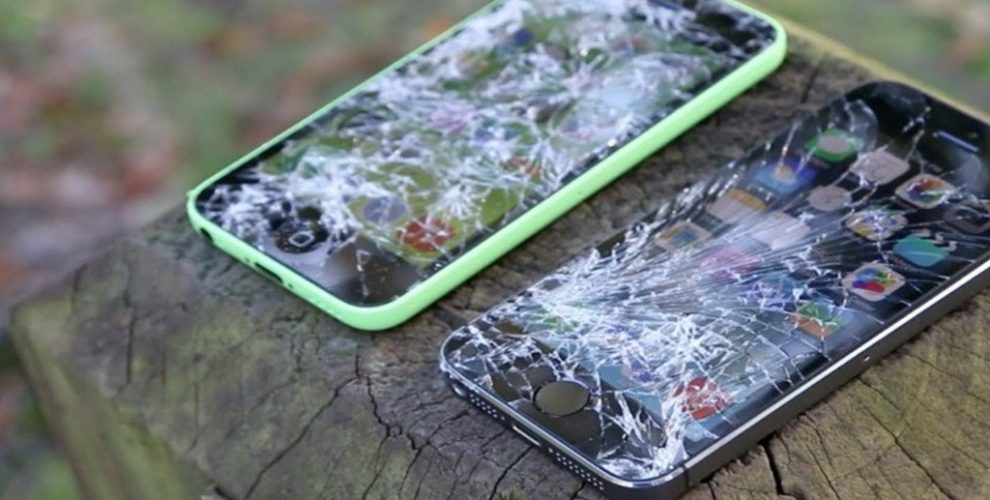
- Cracked or broken screen
- Battery draining fast
- Charging port not working
- Speaker or microphone issues
- Camera not focusing
- Software crashes or lag
These issues are common, predictable, and repairable in most smartphones.
Problems That Often Point Toward Replacement
- Repeated motherboard failure
- Severe water damage
- Phone not powering ON even after repair attempts
- Multiple components failing together
- Repair does not last long
If repairs keep repeating, replacement becomes the smarter option.
Diagnosis comes before decision.
Step 2: Compare Repair Cost vs Replacement Cost
This is one of the most important factors.
In general:
- Repair is cheaper than replacement for minor and mid-level issues.
- Replacement makes sense when repair cost is too high.
A Simple Rule to Follow
If the repair cost is:
- Low to moderate → Repair is practical
- Close to the price of a new phone → Replacement is better
For example:
- Screen or battery replacement usually costs much less than buying a new device.
- Motherboard or PCB replacement can be expensive and risky.
Always ask for a clear repair estimate before deciding.
Step 3: Consider the Age of Your Smartphone
Phone age matters more than many people realize.
Newer Phones (Under 2–3 Years)
- Usually worth repairing
- Still receive software updates
- Hardware is mostly capable
Repairing extends usable life at low cost.
Older Phones (4–5 Years or More)
- May not support latest apps
- Battery and performance degrade faster
- Spare parts may be costly or unavailable
In such cases, replacement may offer better long-term value.
Step 4: Check Warranty or Insurance Coverage
Before spending your own money, always check:
- Manufacturer warranty
- Extended warranty
- Insurance plans
If your phone is under warranty:
- Many internal issues are repaired for free
- Some cases may even qualify for replacement
Most, in fact all smartphones manufacturers provide a warranty period on the phones, within which the owner can avail free repair services or even get a replacement for the phone, given it has critical issues which cannot be solved by repair. Never repair a phone outside the authorized network while it is still under warranty, unless advised.
Step 5: Evaluate Performance and Daily Usage Needs
Ask yourself honestly:
- Does the phone handle my daily apps smoothly?
- Is it fast enough for work, navigation, or payments?
- Does battery last long enough for my routine?
If performance is acceptable and issues are minor, repairing makes sense.
If the phone struggles with basic tasks even after cleaning, resetting, or updating, replacement may improve productivity and peace of mind.
Environmental and Practical Perspective
Repairing a smartphone is not only cheaper but also more environmentally responsible.
- Reduces electronic waste
- Saves manufacturing resources
- Extends device life
However, repairing a device that constantly fails also wastes time and money. Balance is important.
“Smart decisions are not about saving money today, but about saving effort tomorrow.”
Common Scenarios: Repair or Replace?
Scenario 1: Fast Draining Battery
✔ Repair (battery replacement)
Scenario 2: Cracked Screen, Phone Working Fine
✔ Repair
Scenario 3: Phone Dead After Water Damage
❌ Often better to replace
Scenario 4: Phone Slow Due to Storage and Apps
✔ Repair (cleanup or software reset)
Scenario 5: Repeated Motherboard Issues
❌ Replace
Before Giving Your Phone for Repair (Important)
Before handing over your device:
- Take a full data backup
- Remove SIM card and memory card
- Secure or delete private data
- Charge the battery
- Note existing damages
- Ask about warranty on replaced parts
These steps protect both your data and your rights.
Repair or Replace: Final Decision Checklist
Repair if:
- Problem is common and repairable
- Cost is reasonable
- Phone performance is acceptable
- Device is relatively new
Replace if:
- Repair cost is very high
- Phone is very old
- Issues repeat frequently
- Performance no longer meets needs
Conclusion: Make a Calm, Informed Choice
Deciding whether to repair or replace a faulty smartphone does not need to be stressful. When you understand the problem, compare costs, consider phone age, and evaluate your usage needs, the answer becomes clear.
In most cases, repairing is the smarter and more economical option. Replacement should be chosen only when repair no longer offers value or reliability.
A thoughtful decision today saves frustration tomorrow.